

After Section 28: LGBTQ+ Rights in an Age of Censorship and Backlash
After Section 28: LGBTQ+ Rights in an Age of Censorship and Backlash
Share this event
We know there is a well funded, powerful and coordinated movement against human rights in the UK. This is what we call an anti-rights agenda, focused on working to remove human rights protections, targeting bodily autonomy, access to abortion and the rights of LGBTQ+ people
We are hosting an urgent one day conference focused on the growing censorship of LGBTQ+ lives and lessons learned from Section 28, the law that banned the 'promotion of homosexuality' in 1988 and ask ourselves, is history repeating itself?
Even though our conference focuses on the LGBTQ+ community, anti-rights movements go far beyond this.
We think it's time to bring different communities together from educators to librarians, campaigners to media experts and compare the rise of censorship they are experiencing and tactical targeting of LGBTQ+ communities, asking ourselves collectively, what can we do to counter this?
📃 Our programme
- The growth of the Anti-Rights movement in the UK and the global picture of funding influencing this
- Lessons learned from experiencing the moral panic against LGBTQ+ people in the 1980s and campaigning against Section 28
- Censorship of LGBTQ+ lives and identities being experienced by educators and librarians today
- Our roles and agency in challenging this growing anti-rights agenda
- How media narratives have fuelled a renewed moral panic around transgender lives
- How anti-rights groups operate and what we can do to fight back for human rights
🪧 Why now?
We have seen an increase in censorship across libraries and in schools as documented by the Censorship Index and similar repetitions of book bans and incited moral panics in areas like Kent.
From speaking to UK librarians, teachers, schools, civic organisations, human rights advocates, LGBTQ+ charities, politicians and journalists, we’ve observed patterns of increasing censorship from two directions;
- Quieter forms of censorship promoted through complaints to libraries and schools creating a sense of fear to discuss and address LGBTQ+ themes, particularly with young people
- Growing political debate and development of statutory guidance to remove LGBTQ+ themes from schools and educational programmes
These forms of censorship are both influenced by a global picture of anti-rights funding.
We know the damage that censorship of LGBTQ+ lives has on young people and teachers, having been educated and taught under Section 28 in the 90s and conducted research with young people from this period.
We don't want to let it happen again.
‼️ The Anti-rights movement is growing in the UK
Amnesty International UK’s research on the funding of 32 anti-rights organisations uncovered:
- Anti-rights groups have dramatically increased their spending by over 33% between 2019 and 2023, reaching £106 million
- The largest spenders are UK branches of US organisations (£34 million), ultra-conservative Christian policy/advocacy groups (£31.5 million), and anti-abortion organisations (£28.5 million)
- Groups promoting so-called "conversion therapy" have increased their spending by an alarming 165%
- The growth in expenditure of ‘crisis pregnancy centres’ – which work to dissuade pregnant people from seeking an abortion – has risen 46% between 2019 and 2023
Annual anti-gender spending in Europe has increased by a factor of four starting from USD22.2 million in 2009 to reach USD96 million in 2018. The institute for The European Parliamentary Forum for Sexual and Reproductive Rights has been documenting the global funding picture and increase in Religious Extremist Funders against Human Rights for Sexuality & Reproductive Health in Europe.
💬 Speaker Lineup
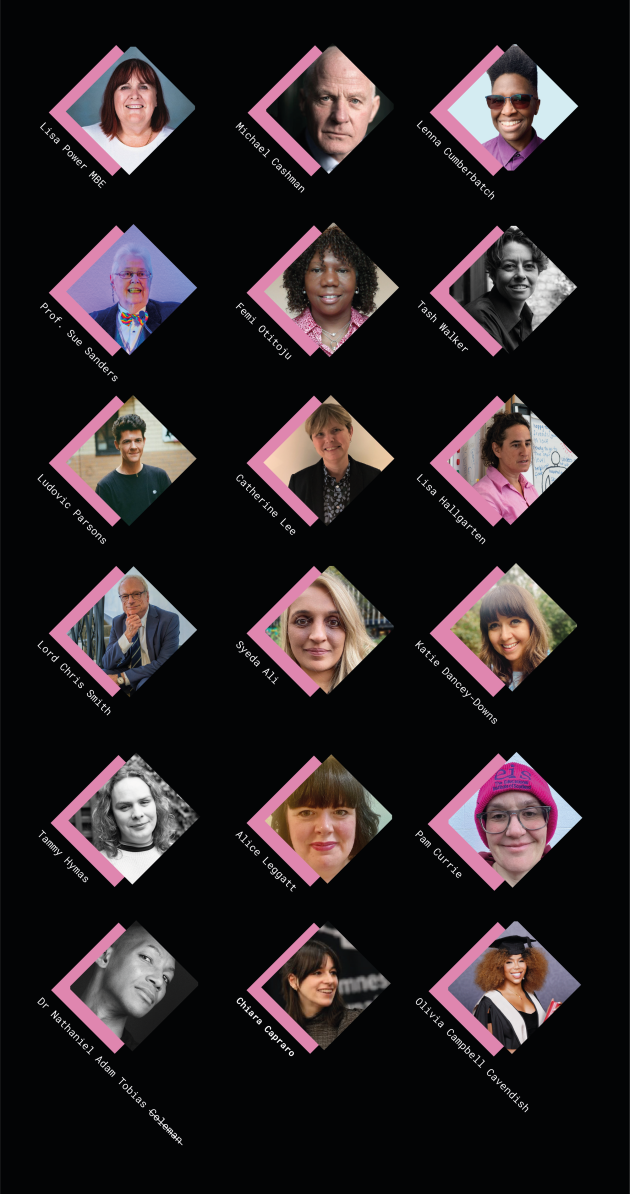
We are putting together a day of speakers from censored librarians, to Section 28 researchers, teachers to journalists and activists who first fought against Section 28 to reflect on the growing anti-rights movement and share positive actions we can take to move forward in pushing back.
- Chris Smith, Lord Chris Smith, Chancellor of the University of Cambridge
- Sarah Drummond, Director of Don’t Say Gay
- Catherine Lee MBE, Professor Pro Vice Chancellor and Dean
- Lord Michael Cashman CBE
- Prof. Sue Sanders, CEO Schools OUT
- Femi Otitoju, Challenge Training and Consulting Ltd
- Syeda Ali, PhD researcher Cambridge
- Lisa Hallgarten, Independent expert in sexual and reproductive rights health and rights
- Tash Walker, Co-author of The Log Books: Voices of Queer Britain and the Helpline that Listened
- Chiara Capraro, Amnesty International UK
- Katie Dancey-Downs, Deputy Editor, Index on Censorship
- Alice Leggatt, CILIP School Libraries Group
- Lisa Power MBE, British sexual health and LGBT rights campaigner
- Ludovic Parsons, Freelance investigative journalist
- Lenna Cumberbatch, Chair of the Board of Trustees at Galop UK
- Pam Currie, Teacher and co-chair of The Educational Institute of Scotland (EIS) LGBT Network
- Tammy Hymas, Policy Lead, Trans Actual
- Dr Nathaniel Adam Tobias Coleman, Scholar Activist
More speakers are being announced shortly
Key Details
The conference will be based at the Cambridge campus of Anglia Ruskin University
🎟️ Tickets: We have both free tickets to enable people to attend and paid ticket.
🥪 We have made our catering order ahead of the conference for those who opted to pay for lunch.
This means, we cannot provide lunch as an additional extra, beyond those who have paid for lunch up to this point. We would advise to bring a packed lunch or pick up food in advance for lunch and snacks. There are options off-site which are 6-7 minutes away from the venue.
We will provide tea and coffee on arrival and at breaks.
We opted not to provide a full lunch to keep ticket costs low and accessible as possible. Thank you for understanding.
If you wish to make a donation, we'd really welcome it as it helps cover the cost of putting the conference on and our filming for the documentary
🎥 Filming
We will be filming parts of conference presentations for a short sequence in the documentary Don’t Say Gay and some of the general ambience of the day. We will signify an area of the theatre where cameras will not be pointed for those wishing to not be filmed.
🏠 Organisers
This conference will be led by Sarah Drummond and Professor Catherine Lee MBE. Sarah is the director of Don’t Say Gay, a documentary charting the history and impact of Section 28, a law that banned the ‘promotion of homosexuality’ by local authorities from 1988 - 2003 and Catherine is Pro Vice Chancellor and Dean at Anglia Ruskin University and author of the book Pretended.
We are running the conference in partnership with Amnesty International UK, Anglia Ruskin University and The ARU LGBTQ+ Staff Network and are supported by Index on Censorship with outreach.
Sponsors
Thank you so much to our supporting sponsors below are contributing to running costs

SDinGov: The original international community event for anyone involved in designing and commissioning public services.
Agile Cambridge: England's premiere practical, hands-on agile and lean conference, will return to Cambridge in October 2026.
UX Scotland is a friendly international conference for anyone working in UX,UCD, HCD, Service Design or other digital specialisms.
Location
ARU, Young Street, Cambridge, CB1 2LZ