
ARC England Supporting Neurodivergence in the Workplace: One Hour Lunch and Learn Session
ARC England Supporting Neurodivergence in the Workplace: One Hour Lunch and Learn Session
Share this event
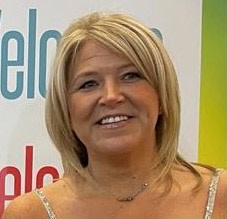
Delivered by Expert by Experience Samantha Leonard, ARC England Director
Join Sam Leonard to increase your understanding of how best to support neurodivergent people in the workplace.
Learn how to recognise the skills neurodivergent people can bring to the workplace and how to make adjustments to support any challenges that may arise. This can include individuals who have a diagnosis and people who may not have sought a diagnosis, or not yet shared it with their employer.
Neurodivergent, neurodiversity and neurotypical
Sam, who has diagnoses of ADHD and Dyscalculia and many years' lived experience of supporting people with autism, will examine the range of neurodiversity and the neurodivergent behaviours and traits people may display.
You'll get tips on recruitment so you can get it right from the very start and guidance about how to find out what neurodivergent people might need in your workplace and how to accommodate sensory and other specific needs.
Neurodivergent conditions include:
- Autism Spectrum Condition (ASC): Differences in social communication, sensory processing and intense interests.
- ADHD (Attention Deficit Hyperactivity Disorder): Variations in attention, hyperactivity, impulsivity and executive function.
- Dyslexia: Challenges with reading, spelling, and language processing, often with superior 3D visualisation skills.
- Dyspraxia (Developmental Coordination Disorder - DCD): Affects physical coordination, balance and motor skills.
- Dyscalculia: Difficulties with understanding numbers, math and time concepts.
- Tourette’s Syndrome (TS): A neurological or neurodevelopmental condition characterised by involuntary, repetitive movements and vocal sounds known as tics.
For more information about this workshop or any other workshop, please get in touch: