
ASAIMH Annual Conference - Friday 21st August 2026
ASAIMH Annual Conference - Friday 21st August 2026
Share this event
Australasian Society for Artificial Intelligence in Mental Health Ltd Annual Conference 2026
Utilizing AI innovation in mental healthcare
Friday 21st August 2026, Full day event,8.30am - 5pm.
Rydges, Darling Square, Sydney, NSW.
Early bird ticketing available until 28th February
Active CPD 7.0 hours
Keynote Speaker: Dr Erika Penney, Schema Therapy & Supervision Australia Honorary Academic, University of Technology Sydney. Prior ACPA president.
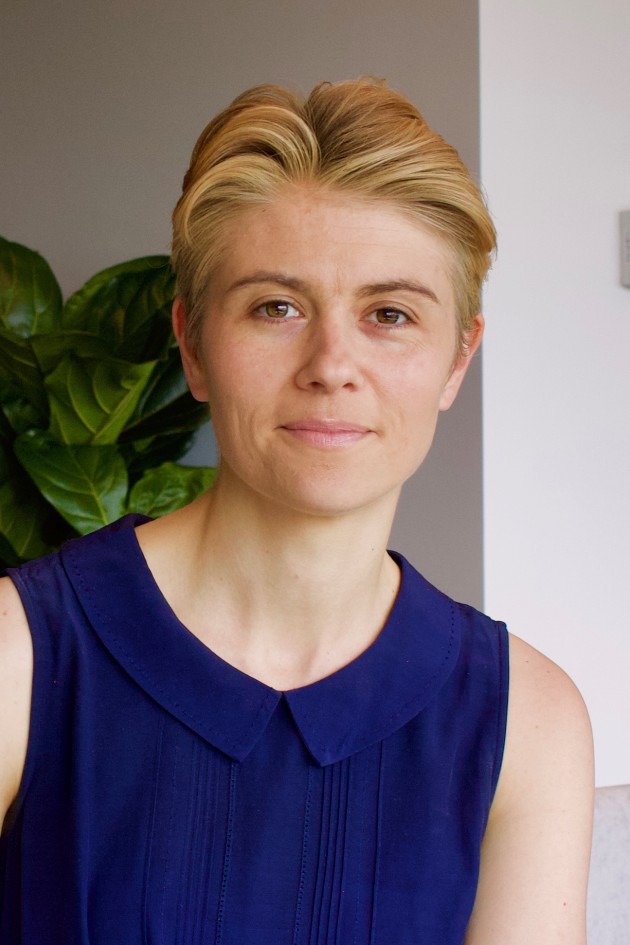
Dr Erika Penney is the Principal of Schema Therapy & Supervision Australia, Honorary Academic with the University of Technology Sydney, and Ex-President of the Australian Clinical Psychology Association. She is a nationally recognised educator on artificial intelligence in allied health; an invited consultant for the Therapeutic Goods Administration’s Digital Mental Health Tools Advisory Group; the recipient of two UTS Vice Chancellor’s Teaching Awards for inter-professionalism and digital technologies in mental health, and recipient of a national Australian Awards for University Teaching citation for outstanding contribution to student learning.
Keynote address: AI in Mental Health: Then, Now, and What Comes Next
Artificial intelligence is no longer on the horizon—it is already here. But how did we get to this point, and where might we be headed? This keynote reflects on the AI landscape, from the pre-ChatGPT era through to today's rapidly shifting environment, and invites consideration of what the next decade might hold. Drawing on developing regulation and legislation, evolving ethical frameworks, and the growing capacities of AI tools and platforms, this session explores what these shifts might mean in practice for the profession, clinicians, and the clients they serve.
Dr Oren Griffiths, psychologist and researcher, Newcastle University, NSW.
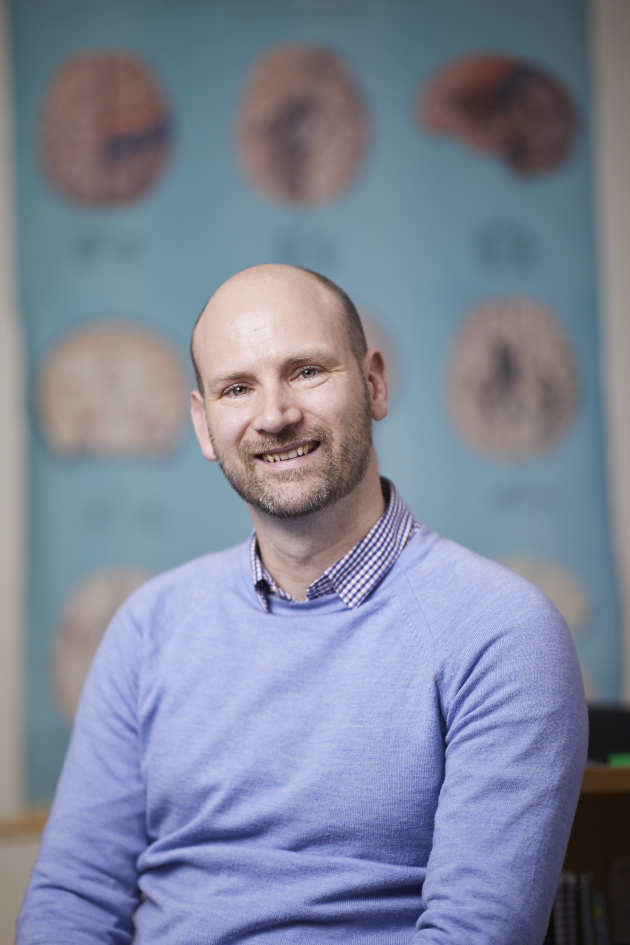
Dr. Griffiths is a genuine scientist practitioner, with significant experience in both the practice of clinical psychology and cognitive neuroscience. A registered Clinical Psychologist and board-approved supervisor, he trains the next generation of clinical psychologists as Deputy Director of the University of Newcastle’s training clinic. He helps people across the lifespan with a wide range of presentations, and routinely calls upon several therapeutic modalities. As a researcher, he has published more than 50 peer-reviewed scientific articles, attracted significant competitive research funding and has supervised more than a dozen Honours, Masters and PhD theses.
Presentation title: Quantifying the differences between human and AI therapists
Dr Biya Tang, Postdoctoral Research Fellow, UNSW and Black Dog Institute.

Dr Biya Tang is a Postdoctoral Research Fellow at the Black Dog Institute and UNSW Sydney. Her research focuses on precision mental health, help-seeking behaviours, and the application of artificial intelligence to improve mental healthcare and clinical trial methodology. Dr Biya Tang is currently leading a national survey on generative AI for mental health support and a simulated trial that uses digital twins (virtual copies of real participants) to model individual mental health trajectories and support personalised mental healthcare.
Presentation title: Beyond One-Size-Fits-All: How AI is Transforming Mental Healthcare and Mental Health Research
Marika Conomos: Psychologist and Founder/CEO Ecko Health

Marika Conomos is a registered psychologist, founder and CEO of Ecko Health, and a healthcare entrepreneur with a track record of building and scaling mental health services across Australia. A recipient of the 2025 Women Leading Tech — Woman of the Year award, presented by Atlassian, she brings a rare, ground-level understanding of the intersection between technology, clinical practice, and patient care. Marika founded Ecko Health to address a gap she experienced firsthand: the distance between what AI can offer mental health care and what is safe, ethical, and clinically sound in practice. She leads product, regulatory, and commercial strategy across an AI-powered platform for mental health practitioners, built on rigorous clinical governance and human oversight. Marika is an active voice on the responsible adoption of AI in mental health, with particular expertise in Australian regulatory frameworks including TGA SaMD classification, the Privacy Act, and AHPRA clinical governance obligations. Presentation title: AI Clinical Twins in health care.
Associate Professor Roisin McNaney, University of Melbourne. Director of the CSIRO Next Generation of Graduates program in AI in Mental Health
Dr McNaney is a cross disciplinary digital health researcher at the intersection of healthcare and computing science. Her research focuses on the role of new and emerging technologies in supporting health and care needs, with a particular focus on brain and mental health (e.g. Parkinson's, Youth mental health, Parenting and maternal mental health, Eating disorder and body image, inclusive design in mental health services). She has specific expertise in co-design within these health communities and in ensuring that responsible innovation is embedded in the design process.
Presentation title: Thigh Gaps and Filtered Snaps: translating contextual nuance into content moderation design for eating disorders
The profound impact of social media on the formation and proliferation of eating disorders (ED) is well documented. While social media platforms have content moderation processes in place in an attempt to protect users from the most harmful content, evidence shows that it is still reaching those with ED up to 4,000% more often than those without. This talk discusses findings from Pranita Shrestha’s PhD research. This 3-year program of work aimed to understand contextual nuance around what constitutes harm in social media content for people experiencing ED, and translate this harm into rules that can guide explainable AI systems to improve content moderation systems.
Associate Professor Steven Bernardi, National Manager Mental Health & Healthscope Services, MAICD.
One of Australia’s most experience mental health leaders having worked across leading private, public, NPF and academic institutions. A visionary in mental health dedicated to creative disruption and the integration of AI to revolutionize care delivery. Inspired about building a future of boundaryless healthcare where innovation is the engine for growth and impact. His leadership philosophy centers on challenging the status quo, fostering a culture of technical and creative excellence, and empowering teams to unlock the full potential of mental health innovations.
Presentation Title: The Neuro-Ergonomics of AI: Protecting Clinical Brains and Scaling Resilient Healthcare Systems
As artificial intelligence reshapes mental healthcare, the industry's focus remains heavily fixed on what AI can do for the patient. But who is looking after the brain of the clinician? In this keynote, Associate Professor Steven Bernardi reframes the AI conversation through the lens of neuro-ergonomics—the science of designing technology workflows that align with the natural cognitive and neurological limits of human healthcare workers.By exploring how chronic administrative load and decision fatigue physically alter the prefrontal cortex, this session introduces AI not as a mere efficiency tool, but as a biological shield against burnout. Moving from the micro-biology of the individual to macro-level health systems, Steven will map out how enterprise leaders can leverage neuro-ergonomic AI architectures to build resilient, scalable, and human-centric healthcare networks.
Dr Tuki Attuquayefio, founder/CEO of Psych ready, and lecturer at Western Sydney University

Psych Ready is the "flight simulator" for aspiring psychologists and counsellors in Australia. By providing a risk-free, immersive digital environment, it enables students to bridge the gap between theoretical knowledge and clinical practice. The platform facilitates the mastery of core interpersonal and therapeutic skills through high-fidelity simulations, ensuring learners are "work-ready" before entering real-world placements. Built to align with the 2025 APAC Accreditation Standards, Psych Ready offers higher education providers and private clinics a scalable, ethical, and evidence-based solution to meet training needs, enhance practitioner competency and safeguard future public wellbeing.
Sally-Anne McCormack, Psychologist and Founder/CEO of ANTSA
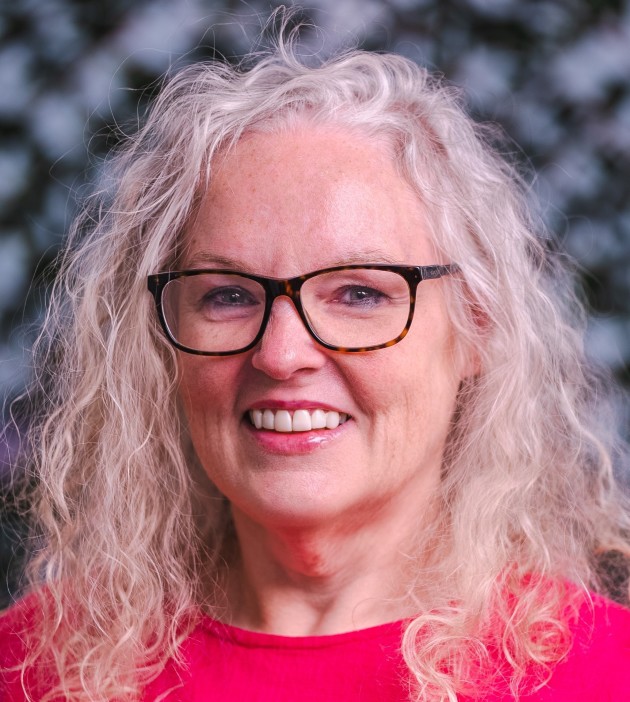
Sally-Anne McCormack is a psychologist and Founder/CEO of ANTSA, a Mental Health digital platform incorporating AI for practitioners to engage, support, and monitor their clients. With more than two decades of clinical experience, she built her career around a simple observation: much of the work of therapy happens between sessions, not just within them. She saw that practitioners had limited ways to support, motivate or monitor clients between appointments, and little clinically governed infrastructure to do this safely and at scale without adding to clinician workload. Following hip surgery in 2021 and a period away from client work, Sally-Anne spent two years researching and developing a solution. The result was ANTSA, a digital mental health platform that gives practitioners greater visibility over client wellbeing between sessions, while keeping clinical authority, oversight and accountability firmly with the practitioner. Sally-Anne is a Fellow of the APS College of Clinical Psychologists and has engaged directly with Australian government Ministers (both State and Federal) on the responsible use of AI and digital technology in mental health care. She was named Winner, Woman in Science, Technology & Engineering at the 2024 GLOBAL Women Changing the World Awards.
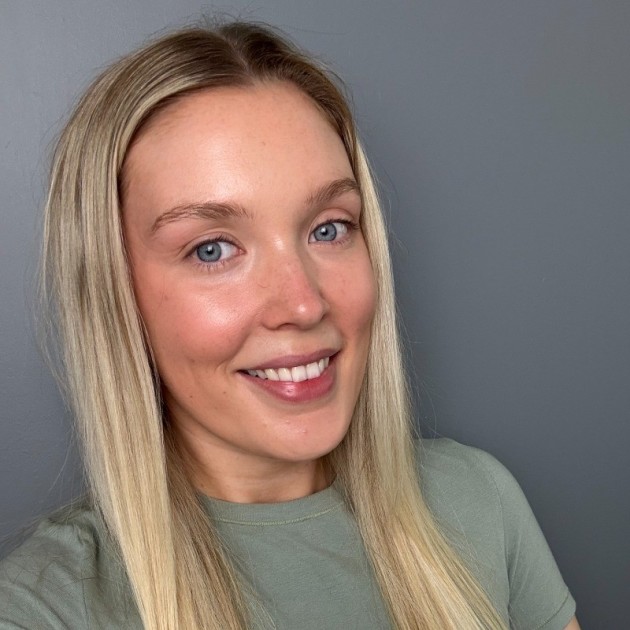
Kiera Macdonald is a registered Psychologist and Clinical Psychology Registrar and on the Board of ANTSA, a clinician-governed digital mental health platform supporting practitioners and their clients between therapy sessions.Kiera leads the development of ANTSA's clinical content, therapeutic resources and digital tools, drawing on her experience working directly with clients to ensure the platform remains practical, clinically relevant and responsive to the realities of contemporary psychological practice. She has a particular interest in how digital technology and AI are changing mental health care, including how clinicians can use these tools to improve engagement, strengthen support between appointments and gain greater visibility into what is happening for clients outside the therapy room. Through her work with ANTSA, Kiera promotes an approach to AI that supports, rather than replaces, the therapeutic relationship, with clinical judgement, appropriate boundaries and human oversight remaining central to care.
Lisa Irving: Clinical Psychologist and Founder / CEO of Virtuosa AI

Lisa Irving is a Clinical Psychologist with over 25 years of experience. Throughout her clinical career she has written a large volume of psychological reports across healthcare, workplace, and compensation systems, giving her a deep understanding of the cognitive load and time demands associated with clinical documentation. Lisa is the founder of Virtuosa AI, an Australian-built report-writing application designed specifically for psychologists. Virtuosa was developed to reduce the cognitive load and time burden of report writing while supporting high-quality clinical documentation and preserving professional judgement, ethics, and confidentiality.
Presentation title: "The Future Psychologist Is Now: Playing with AI to Amplify Human Insight and Client Recovery"
Artificial intelligence is rapidly entering psychological practice, from therapy chatbots and research assistants to clinical documentation and report writing. In this engaging presentation, clinical psychologist Lisa Irving explores how psychologists can creatively “play” with AI tools to reduce cognitive load, enhance clinical thinking, and amplify their ability to support client recovery. The session invites clinicians to embrace curiosity and experimentation while keeping professional judgement, ethics, and human connection at the centre of practice.
Dr Matthew Davidson, ARC DECRA Fellow, University of Technology Sydney.
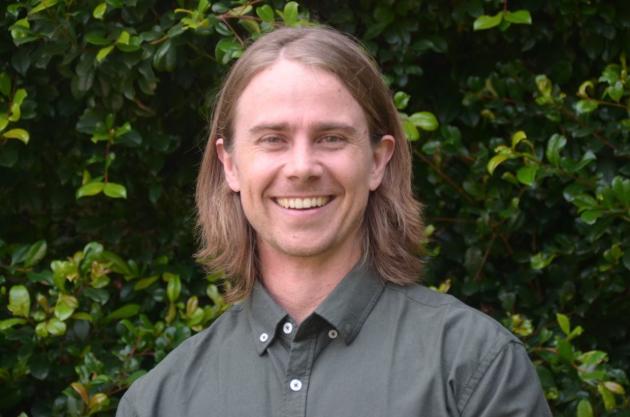
Dr Davidson investigates the neuroscience of human consciousness, focusing on visual perception, attention, multisensory integration, and how we reflect on our own mental states. After completing a PhD at Monash University and postdoctoral fellowships at Oxford and the University of Sydney, he joined the University of Technology Sydney (UTS) as a Lecturer in 2024. As an ARC DECRA fellow, I use psychophysics, mobile EEG, and virtual reality to examine how neural activity, bodily states, and environmental factors shape subjective experience.
Presentation title: Assessing attitudes toward the use of Gen-AI in Allied-Health Care Settings
Description: Although generative artificial intelligence (Gen-AI) tools continue to proliferate, the perceived risks, benefits, and contributors to their adoption are not well understood. This project leverages a broad interdisciplinary team to assess and compare attitudes toward the current integration of Gen-AI into allied-health care settings, focusing on clinical decision making and documentation. As a complement to these subjective measures, we’ve also included an objective measure of metacognition — which captures the ability to accurately introspect on the strengths and weaknesses of one’s own knowledge states. Our rationale is that as Gen-AI use can be seen as a form of cognitive offloading, the perceived benefits, risks, and adoption of this new technology may be mediated by introspective awareness.
Dr Steven Read, Chief Product Officer, Sonder.
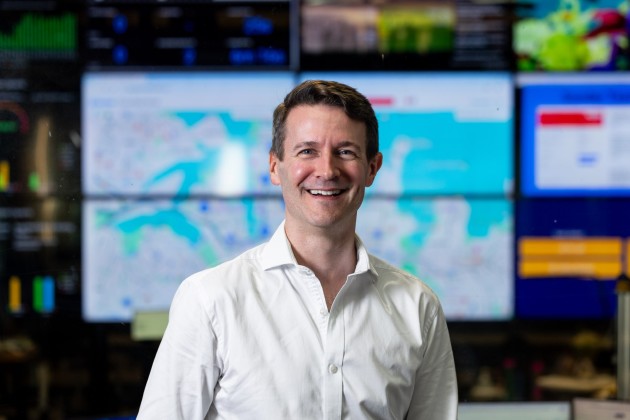
Steven Read is Chief Product Officer at Sonder, which provides 24/7 medical and mental health support to more than 1.4 million people across Australia, New Zealand and the UK. Sonder works with organizations including McDonald's, Woolworths and Allianz to get their people the right care at the right time. Steven is responsible for product, technology and clinical services, covering both the digital and human sides of Sonder's care model. His current focus is the safe deployment of AI across clinical and operational workflows. Before Sonder, Steven led product and technology teams at high-growth businesses in Sydney and New York. He was previously a consultant at Boston Consulting Group.
Panel Discussion and audience Q & A: AI literacy, current gaps in training, and challenges for mental health professionals.
Panelists include: Taimi Allan, Rebecca Frost, Dr Erika Penney, Dr Oren Griffiths, Dr Matthew Davidson, Dr Anthony Joffe, and Assoc Prof Roisin McNaney
Taimi Allan, South Australian Mental Health Commissioner

Taimi Allan is the Mental Health Commissioner for South Australia, widely respected for her compassionate, future-focused leadership and her deep commitment to inclusion, lived experience, and meaningful systems change. Taimi brings over 20 years of cross-sector leadership across Australia and Aotearoa New Zealand, spanning lived experience advocacy, system strategy, policy reform, digital innovation, and suicide prevention. She has led national anti-discrimination initiatives, directed a Mental Health Innovations company, and co-designed practical tools and models of care that are inclusive, community-driven, and recovery-oriented.
Rebecca Frost, Executive Director, Priority Programs HealthDirect
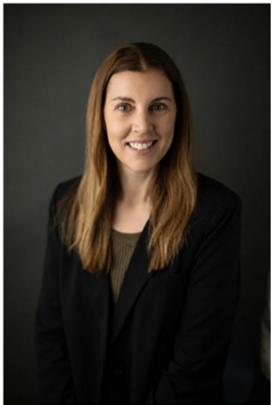
Rebecca has an extensive track record in leading large-scale service delivery across the health sector, spanning both the not-for-profit and private sectors. She has held several senior national leadership roles, managing large and diverse workforces across key health programs, including acute Mental Health Triage for the Ministry of Health, Beyond Blue, 1800RESPECT and the Medicare Mental Health program. She is recognised for her expertise in health service operations and government-funded program delivery, and for driving improvements in access, integration, and service experience through clinical and operational redesign. In her current role as Executive Director - Priority Programs, Rebecca oversees national programs aligned with the strategic objectives and public health priorities of government funders. Rebecca has a particular interest in the responsible use of AI in mental health, both in its potential to improve consumer access and timeliness of care, and in the clinical governance required to deploy it safely at scale.
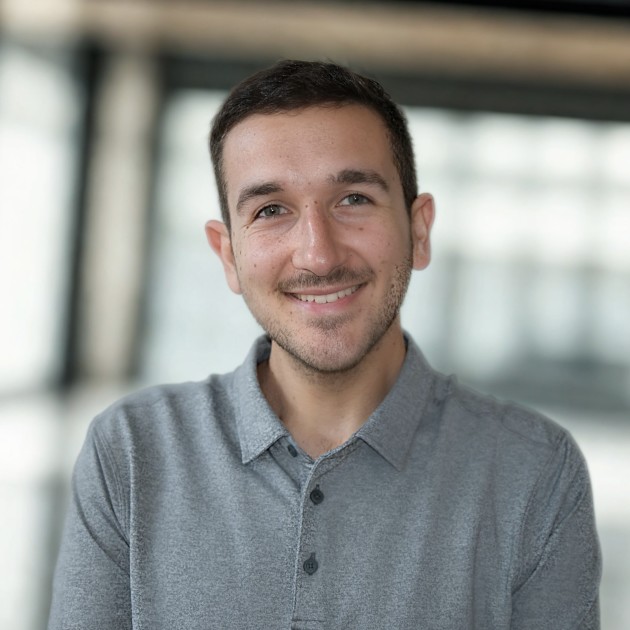
Dr Anthony Joffe, Clinical Psychologist and Postdoctoral Research Fellow, Black Dog Institute.
Dr Anthony Joffe is a clinical psychologist and a post-doctoral research fellow at the Black Dog Institute. His research examines psychologists' use of artificial intelligence at work, with a focus on factors needed to safeguard psychologists and clients when utilising or implementing artificial intelligence in practice.
This event is proudly sponsored by:




Please refer to Terms and Conditions listed at checkout.
Location
Rydges, Darling Square, Sydney, NSW, 2000