

Pottery Lecture Series: Art Without Heroes? The Mingei Movement
Pottery Lecture Series: Art Without Heroes? The Mingei Movement
Share this event
Hear curator Róisín Inglesby unpick some of the fascinating aspects of the Japanese Mingei folk craft movement, learn about its history and how it’s still relevant today.
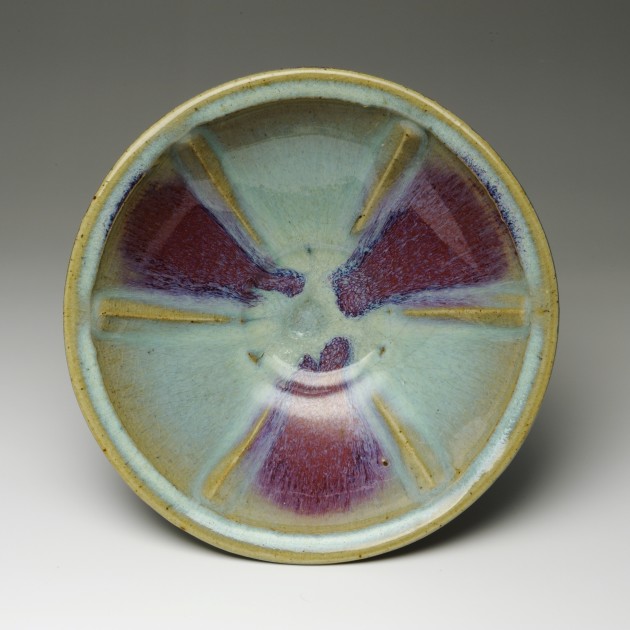 Bowl, Kawai Kanjiro. © National Museums Scotland.
The Mingei ‘Folk Craft’ movement originated in Japan in the 1920s. It celebrated inexpensive, everyday items, made using traditional materials and techniques, by anonymous craftspeople. Some proponents of Mingei, including Hamada Shōji, Kawai Kanjirō and Bernard Leach, went on to become celebrated potters, ensuring the continued success of the Mingei ideal.
Today, the concept lives on, both in a renewed interest in traditional crafts and in the world of product design.
However, while Mingei is usually seen as an aesthetic or even spiritual movement, the politics of production are never far away. This talk will unpick some of the many fascinating aspects of 100 years of the Mingei movement and ask how we can best understand it today.
After curatorial roles at the V&A, Tower of London and Teien Museum, Tokyo, Róisín Inglesby is currently the Curator at William Morris Gallery, East London. In 2024 she curated Art Without Heroes: Mingei. She was subsequently named one of Apollo magazine’s 40 Under 40 for her work at the intersection of art and craft.
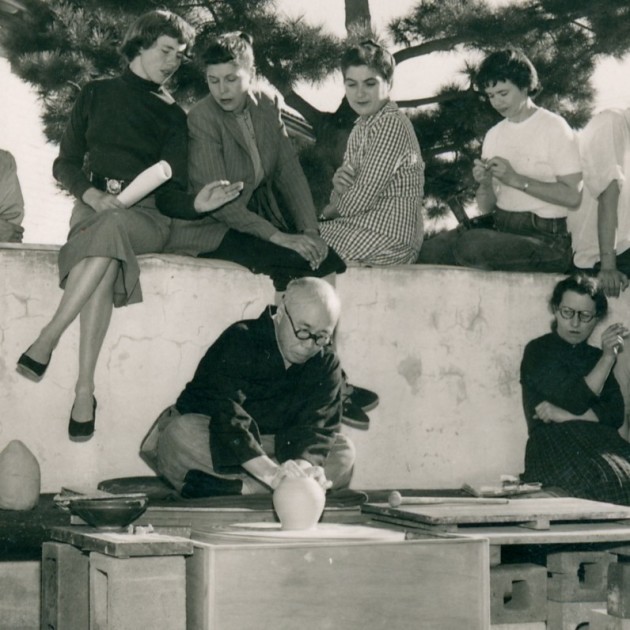 Hamada demonstrating in California c.1950s. From the collections of the Crafts Study Centre, University for the Creative Arts
Refunds Please note, we are unfortunately unable to offer refunds for this event. Reduced ticket prices We’d like as many people as possible to be able to access and enjoy Bell House. We offer a limited number of income-based bursary tickets at half price, which can be booked directly - if you would not be able to attend at the full price due to financial considerations, then this concession option is available. |
Location
Bell House, SE21 7BG