

Brisbane | EMDR 2.0 Masterclass and Case Conceptualisation - Presented by Suzy Matthijssen and Ad De Jongh
Brisbane | EMDR 2.0 Masterclass and Case Conceptualisation - Presented by Suzy Matthijssen and Ad De Jongh
Share this event
EMDR 2.0 Masterclass and Case Conceptualisation
****EMDR 2.0 training is a prerequisite for this course****
Brisbane - Ad and Suzy are coming back in 2027! This time for a Masterclass in EMDR 2.0 - who's ready?!
Day 1 - EMDR 2.0 Masterclass
For those who have already completed an EMDR 2.0 workshop, boost your knowledge and skills with the most recent research, techniques and demonstrations, including delivery via telehealth platform.
Learning objectives:
- Types of conditions for which EMDR 2.0 can be used
- Advantages of using EMDR 2.0 techniques and applications
- Components of the working memory taxation theory
- How EMDR 2.0 can be used with individuals with complex trauma histories
- How EMDR 2.0 techniques can be used when dissociation prevents access to traumatic memories
- How EMDR 2.0 techniques can be used when dissociation prevents access to traumatic memories or when the presence of comorbid pathology seems to block reprocessing.
- Methods for using EMDR 2.0 via online therapy, including demonstration using cutting-edge, Dutch platform Moovd
Day 2 - Efficient Methods for EMDR Therapy: Case Conceptualisation and Strategic Target Selection
Too often, EMDR clinicians fail to think strategically and consistently about target selection, rely heavily on clients to know what to target, or are unaware of targeting options. Yet, there are a variety of proven targeting strategies that create efficient “routes” for adaptive memory reprocessing and bring optimal relief of clinical symptoms.
Learning objectives:
- A nuanced understanding as to which “route” of target selection is most efficient for each client, including:
- The “timeline route” for most mental health symptoms, such as sleeping problems, or feeling depresse
- The “intrusion route” for trauma-related conditions, such as PTSD
- The “floatback route”, for difficult emotions or bodily symptoms
- The "belief route” for cases where irrational and negative core cognitions are central
- The “emotion route” for when strong emotions such as guilt and anger are in the foreground
- The “flashforward route” for anticipatory fear and anxiety disorders
Presenter Details
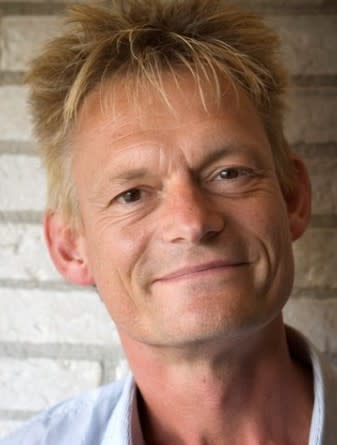
Ad de Jongh
Ad de Jongh, Ph.D. is a clinical psychologist and professor of Anxiety and Behavior Disorders at the University of Amsterdam. He is also a visiting professor in the psychology department of Northumbria University, an honorary professor of psychology at the School of Health Sciences of Salford University in Manchester, the Institute of Health and Society of the University of Worcester, and the School of Psychology of Queen’s University in Belfast. He was involved in establishing the Psychotrauma Expertise Centre (PSYTREC), where he worked in the research department. He is an expert in the treatment of anxiety disorders and is involved in research on the efficacy of evidence-based treatments for a wide variety of patient groups, including traumatised children, people with intellectual disabilities, and other complex psychiatric conditions, such as personality disorders and psychosis. He published more than 500 scientific articles, book chapters, and books on his areas of expertise, and is an approved trainer for the EMDR Europe association and former member of the Council of Scholars, the Future of EMDR project.
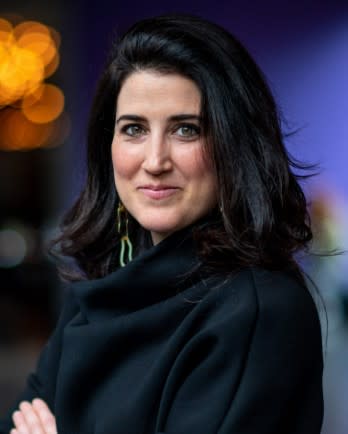
Suzy Matthijssen
Suzy Matthijssen, Ph.D. is a clinical psychologist-psychotherapist, senior researcher, CBT consultant, EMDR Europe Trainer and psychotraumatherapist NtVP. She is the vice president of the Dutch EMDR association, is in the scientific committee of EMDR Europe, and is the former co-chair of the Council of Scholars, the Future of EMDR project. Apart from that, she is the director of the Enhancing Trauma Treatment – Institute. Also, she is the director of the PSYTREC Academy, and as such, she is responsible for research and education. The focus of the research she conducts is on the optimization of trauma treatments. She is involved in research on the enhancement of trauma therapy, intensive trauma treatments, and the working mechanisms of trauma therapy.
Accommodation
For guests travelling to Brisbane, there are several hotels in Southbank and in the City. The Rydges' also has rooms available:
Hotel in Brisbane | Brisbane Hotel | Rydges South Bank Brisbane
Early Bird and Group Discount Tickets
The first 30 ticket sales are discounted. Get in quick to secure yours!
Cancellation Policy
Tickets cancelled more than one week prior to the scheduled event start time will be refunded 90% of the ticket cost. The residual 10% will be retained for administrative costs. Cancellations within one week of the event forfeit the full cost because the venue expenses are paid one week before the event.
About The ITTC
The Intensive Trauma Treatment Centre (ITTC) breaks down barriers to trauma therapy, providing evidence-based, lasting solutions to help individuals heal and reclaim their lives. We've successfully replicated the Psytrec/Dutch model of intensive PTSD and cPTSD treatment and are now offering Intensive Personality Disorder Treatment. The ITTC has clinical rooms in Stafford (Brisbane) and Buderim (Sunshine Coast). The ITTC combines prolonged exposure, EMDR, and EMDR 2.0 with therapist rotation techniques to enhance treatment effectiveness, reduce dropout, and lower the risk of relapse compared with conventional delivery of trauma-focussed therapy.
Want to work with us? Email your cover letter and resume to: admin@ittc.com.au
Location
Rydges Southbank, 4101