

Autofiction, à la française, and Writing Autofiction as Resistance with Susanna Crossman
Autofiction, à la française, and Writing Autofiction as Resistance with Susanna Crossman
Share this event
Need help?
Home of the autofiction genre, French autofiction began with Doubrovsky, and has evolved via daring writers such as Camille Laurens, Constance Debré, Annie Ernaux and Edouard Louis experimenting with writing as resistance: Louis writing ‘a map of the social world’, and Debré describing her “tipping point, the Kairos, it’s like the conversion of Saint Augustine, just as radical… there’s a life before and a life after.”
Many international writers, such as Sheila Heti and Sheena Patel, now employ the genre, as autofiction encourages resistance, opens the page to political subjects like motherhood, class, sexual violence, gender, sexuality and race. Ernaux says,
“My project was not to uncover all or part of my past life, but just one dimension of it: the transition from a working-class world to a culturally dominant world.”
In this online Masterclass, join acclaimed writer Susanna Crossman in an exploration of autofiction as resistance, an engaged way into untold stories. In this session we’ll be discovering French autofiction, it’s understated style coupled with a fluid approach incorporating elements of autobiography and sociology. We’ll be experimenting with collective POV, social history, and dynamic hybrid forms. Come along to write your new ideas, hidden stories, and change the world!
Our interactive class/workshop will combine:
- Short recap of history and definition of autofiction and breaking the autobiographical pact.
- Exploring and understanding:
The history and contemporary of French autofiction, writers and texts: Dubrovky, Duras, Camille Laurens, Ernaux, Edouard Louis, Constancé Debré. International resistance autofiction: Sheila Heti, Sheena Patel, Bechdel’s comic novel Spent.
- Experimenting with flat writing techniques, collective history and shared POV.
- Using generative autofiction writing exercises to move from real life resistance themes to auto-fiction with playful, hybrid techniques, autofiction as essay!
- Giving you practical tools and tips for creating distance from sensitive autobiographical material while retaining emotional force.
- Discussing handling vulnerability, ethics, permission and truth
- A Q & A.
We’ll be giving ourselves the permission to to experiment with form with intention, care, and artistic freedom. The session will provide a supportive, rigorous space. This course is open to beginners and experienced writers, poets, essayists, novelists, and short story writers who want to discover autofiction.
Tickets
This event will be recorded for the purpose of sending to ticket holders who can’t make the event, and those who require the recording to meet their access needs. Tickets purchased after the event takes place will give access to the session recording for ten days after the session.
You can purchase an individual £30 ticket for this event, or a combination ticket for £75 which includes Susanna's previous sessions in this series:
- 21st May | AutoFiction Introduction: The Bad Genre | £30
- 16th July |Autofiction and breaking the rules | £30
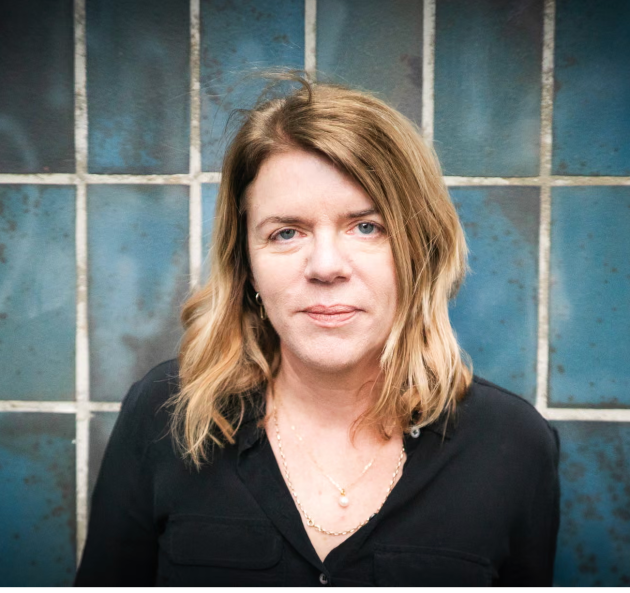
Your Tutor
Susanna Crossman is an essayist and award-winning fiction writer. Her acclaimed memoir, Home is Where We Start: Growing Up In The Fallout of The Utopian Dream, was published by Fig Tree, Penguin, in 2024 and will be published by Heliotrope Books (US) in 2026. Her new novel, The Orange Notebooks, was out in 2025 (Bluemoose Books, UK and Assembly Press, NA). She has recent work in Aeon, The Guardian, Paris Review, Vogue, Neue Rundschau and more. A published novelist in France, she regularly collaborates with artists. When she’s not writing, she works on three continents as a mentor, lecturer and clinical arts-therapist.