Tanzania Adventure - January 12-26, 2027
Tanzania Adventure - January 12-26, 2027
Share this event
January 12–26, 2027
A Northern Tanzania Safari
What This Trip Is Really About
This trip is first and foremost a bucket-list African safari, done properly.
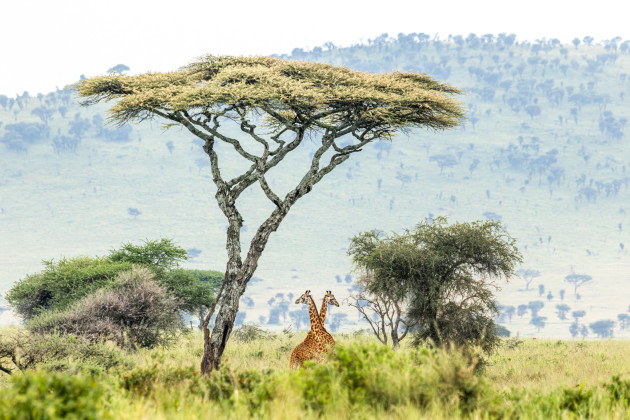
It is built for comfort, time, and access, with the freedom to experience wildlife without rushing, crowding, or exhaustion. This is not a fast-paced tour that hops from park to park, checking boxes. It is a well-paced safari that gives you time to settle in, watch behaviour unfold, and truly experience the places you are visiting.
Photography is part of the experience, but it is not the pressure. You do not need to be a serious photographer to enjoy this trip. You simply need curiosity and a willingness to slow down when something interesting is happening. The itinerary is designed with a photographer’s eye, meaning we prioritize light, positioning, behaviour, and timing, but the experience always comes first.
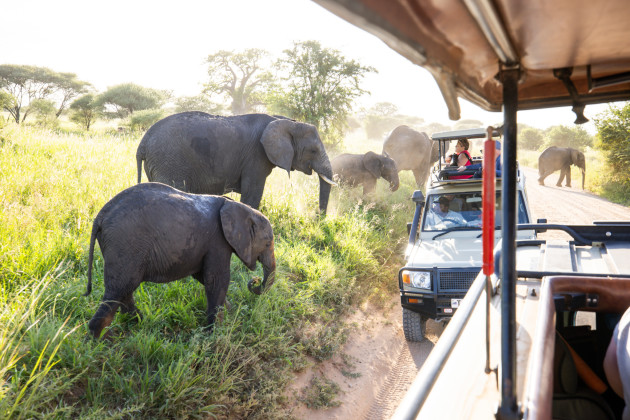
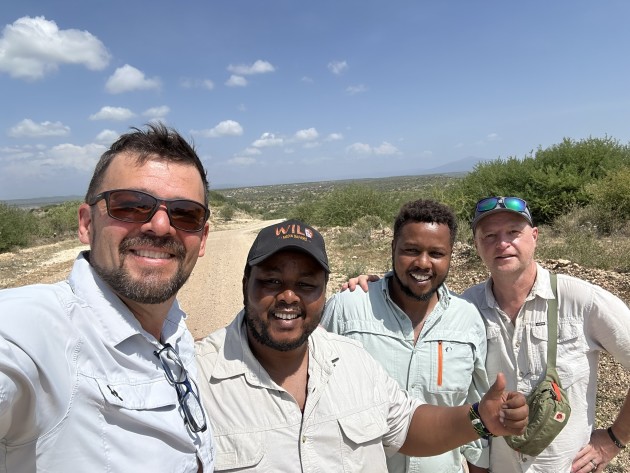
We travel in two custom Land Cruiser safari vehicles with a maximum of eight guests total, four per vehicle. The safari is led by Neil Zeller, with noted naturalist Chris Fisher, alongside exceptional Tanzanian driver-guides, Cornel and Thom. Their ability to read the landscape, anticipate animal movement, and make good decisions in the field is central to how this trip works.
This is a very comfortable adventure. Lodges are chosen for location and flow, not just luxury. Drives are paced to avoid burnout. Midday breaks matter. Meals are relaxed. Transitions are smooth. You are not pushed from place to place trying to collect sightings.
When something is happening, we stay. When the moment is done, we move on. Some guests photograph actively. Others watch quietly. Both approaches are equally valid here.
Photography support is always available for those who want it, from simple camera help to deeper discussion about light and composition, but instruction never overrides the experience. Wildlife behaviour, natural history, and quiet observation all matter equally.
This safari is about seeing Africa well. The photographs are the result, not the requirement.
Why This Itinerary Works
This itinerary is built the way African safaris work best. With time, flexibility, and the ability to respond to what is actually happening rather than following a rigid schedule.
Instead of racing between many regions, we focus on fewer places for longer stays, especially where January conditions are strongest. By reducing long transit days and concentrating time in Tarangire, the Central Serengeti, and Ndutu, we give ourselves options. Options matter more than mileage.
Three full nights in the Central Serengeti allow us to properly work established big-cat areas, revisit productive locations, and wait for behaviour to develop. Four full nights in Ndutu is a deliberate decision. This region offers freedom of movement, close-range encounters, and some of the best predator and migration viewing available at this time of year. When something meaningful unfolds, we are already there.
Lake Manyara and Ngorongoro Coffee Lodge add balance. Forests, birds, elephants, and smaller-scale landscapes provide contrast to the open plains, while improving rest, recovery, and the overall flow of the trip.
This safari is built around experience, not distance covered. The goal is not to say we went everywhere. The goal is to come home having truly experienced these places.
Leadership and Guiding
This safari is led by Neil Zeller and Chris Fisher.
Neil brings years of experience leading small-group photography and wildlife-focused expeditions around the world, with a guiding style built on patience, comfort, and awareness of what is actually unfolding before us. His role on safari is not just about instruction, but about the overall flow. Pacing the days well, choosing when to stay and when to move, and making sure the experience feels calm, unhurried, and deeply rewarding.
Chris Fisher is a noted naturalist with extensive experience in wildlife behaviour, birding, and ecosystems of East Africa. His ability to read animal interactions, spot subtle behaviour, and add meaningful context to what we are seeing brings an additional layer of depth to every day on safari. Chris’s calm presence and deep knowledge complement the experience beautifully.
Together, Neil and Chris work closely with our exceptional Tanzanian driver-guides, Cornel and Thom, to make thoughtful decisions in the field. We rotate guests between vehicles regularly so everyone benefits from different perspectives, guiding styles, and conversations throughout the trip.
This is a collaborative, experience-first guiding approach. Photography support is always available, but never forced. Observation, understanding, and being present matter just as much.
Detailed Itinerary
Pre-safari travel.
We will meet in Amsterdam at least a day ahead of our Jan 12th flight to Kilimanjaro International Airport. Past guests have gone to Europe early to acclimate to the time change and to enjoy some pre-safari adventures. We require that all guests be together on January 12th for the KLM flight to Tanzania.
January 12–26, 2027
What follows is the full journey, including where we stay, why each location matters, and how each stage of the safari fits into the overall experience.
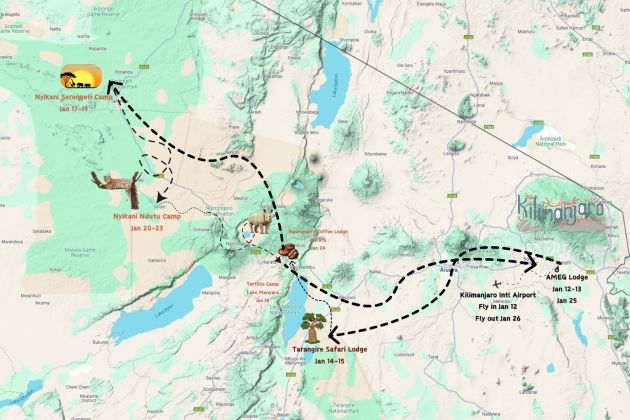
AMEG Lodge – Moshi
January 12 and 13 (2 nights)
Accommodation: AMEG Lodge
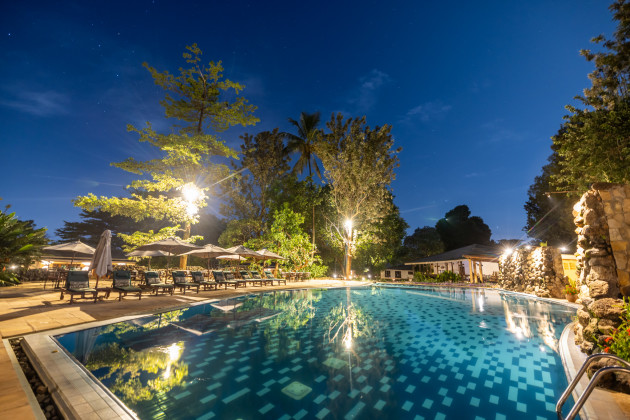
AMEG Lodge serves as a comfortable and practical base in Moshi at both the beginning and end of the trip. These first two nights allow guests to arrive, recover from international travel, and begin Tanzania at a manageable pace.
The lodge offers air-conditioned rooms, a quiet setting, and consistently good meals. This is where we handle final logistics, organize gear, exchange currency, and ease into the trip without pressure. The grounds are well-maintained, with space to walk, sit, and rest. The pool area is available for downtime if desired.
Guests can securely leave larger suitcases here and repack them into smaller safari bags as we return for a night at the completion of the Safari. This keeps vehicle travel organized and the safari portion of the trip simpler and more comfortable.
Tarangire National Park
January 14 and 15 (2 nights)
Accommodation: Tarangire Safari Lodge
On the morning of January 14, Cornel and Thom pick us up, and the safari begins. As we travel toward Tarangire, the transition from travel to safari is a gradual driving day, from urban life to rural sights, and finally to the first National Park experience.
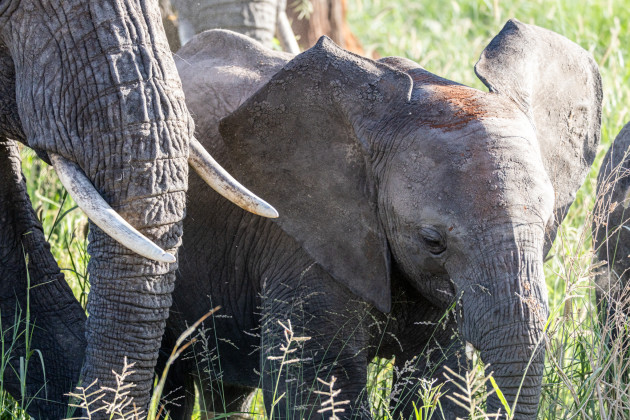
Tarangire is one of northern Tanzania’s most productive parks, particularly in January. Large elephant herds move through the river systems and beneath massive baobab trees. Zebra, wildebeest, giraffe, eland, impala, and buffalo are common, often layered together in classic East African scenes. Lions are frequently encountered, and leopards are present, especially in riverine woodland.
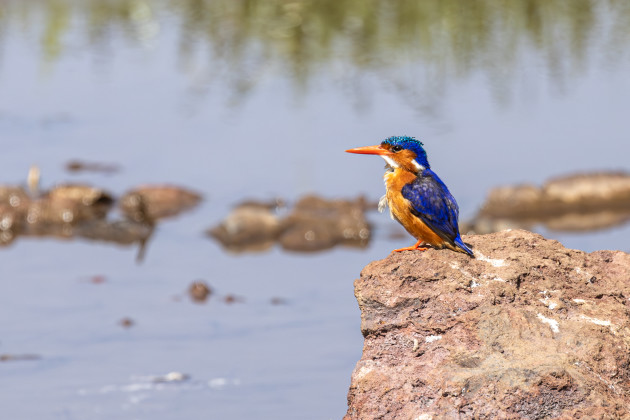
The bird life here is outstanding, with a mix of resident species and migrants, including bee-eaters, rollers, hornbills, raptors, and waterbirds.
Tarangire is an ideal place to ease into safari life. The pace is unhurried, sightings are frequent, and the landscape offers both scale and intimacy. It is an excellent place to settle in, get comfortable in the vehicles, and begin seeing how wildlife behaviour and light shape each day.
Tarangire Safari Lodge
Tarangire Safari Lodge is set high on a ridge overlooking the Tarangire River. From the main deck and dining area, it is common to watch elephants, giraffes, and other wildlife moving through the valley below.
Rooms are comfortable and well-appointed, each with an en-suite bathroom and a lovely veranda. Evenings here are relaxed, with an expansive lounge overlooking the river, with changing light and a calm end to full days in the park.
Lake Manyara National Park
January 16 (1 night)
Accommodation: Tortilis Camp, Lake Manyara National Park
After our final morning in Tarangire, we travel north and enter Lake Manyara National Park, where we spend the afternoon exploring before continuing deeper into the park to our camp for the night.
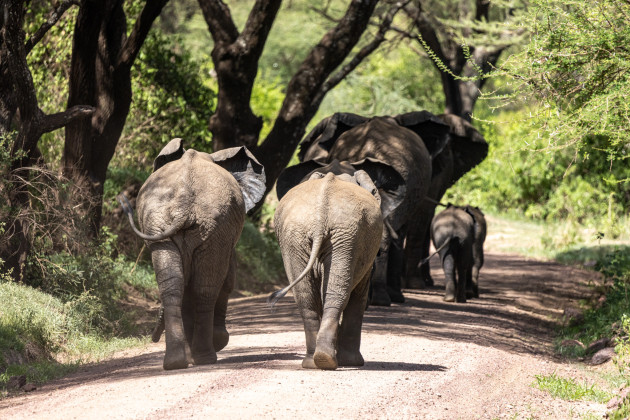
Lake Manyara offers a very different experience from the open savannahs of Tarangire. In a single afternoon, the landscape transitions through groundwater forest, woodland, floodplain, and lakeshore. Towering fig and mahogany trees create a cool, shaded environment where elephants are often encountered at close range. Baboons and blue monkeys are abundant and active throughout the forest.
As the park opens up, we may encounter giraffe, buffalo, zebra, and other plains game, often beautifully lit in the late afternoon. Along the lakeshore, birdlife is excellent, with flamingos, pelicans, storks, and a wide variety of water birds depending on conditions.
This is not a long game-drive day, and it does not need to be. Lake Manyara’s strength lies in contrast and variety rather than duration, making it an ideal transition day between safari regions.
Tortilis Camp – Lake Manyara National Park
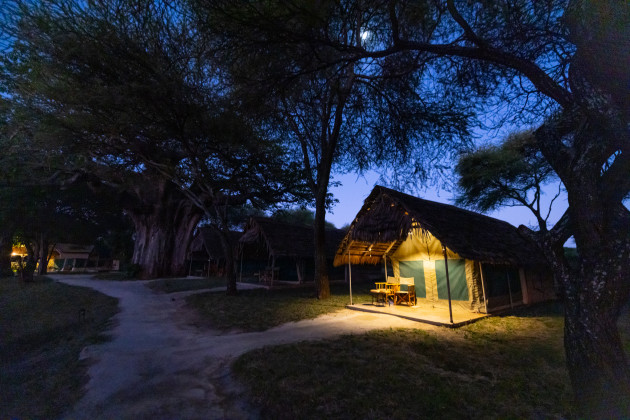
Tortilis Camp is located inside Lake Manyara National Park, allowing us to stay fully immersed in the environment rather than exiting the park at the end of the day. This adds meaningful time in the park and eliminates unnecessary transit.
The camp is small, comfortable, and well-suited to a one-night stay. Tents are spacious and private, each with proper beds and en suite bathrooms. The setting is quiet and natural, with wildlife often moving through the area around camp.
Staying inside the park changes the feel of this night. Evenings and early mornings remain connected to the forest and lakeshore, and the experience feels distinctly different from lodge stays outside the park. It is a simple but meaningful upgrade that strengthens the flow of the itinerary before we continue on toward the Serengeti.
Central Serengeti
January 17, 18, 19 (3 nights)
Accommodation: Nyikani Camp, Central Serengeti
From Karatu, we travel over the ridge of Ngorongoro Crater and down into the Serengeti. The scale changes dramatically. Open plains, distant horizons, and constant wildlife presence define the days ahead.
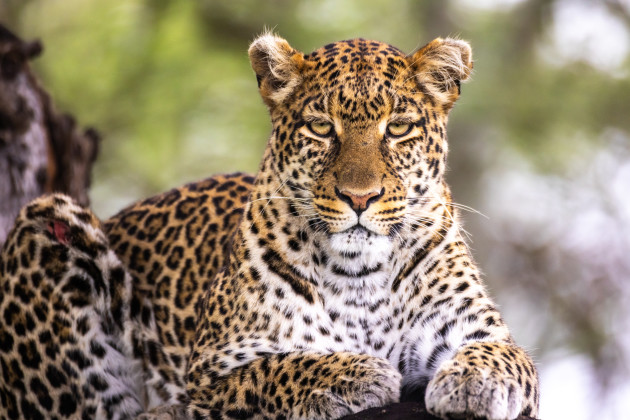
Three full days here allow us to explore areas properly. Lions are abundant. Leopards are present year-round and become more likely with time in the field. Cheetahs hunt the open plains. Elephants, giraffes, buffalo, zebras, and large antelope herds are part of our days.
What matters most is time. We can return to productive areas, revisit known territories, and wait for behaviour rather than moving on too quickly. Days are paced to follow light and activity, not a clock.
Nyikani Camp, Central Serengeti
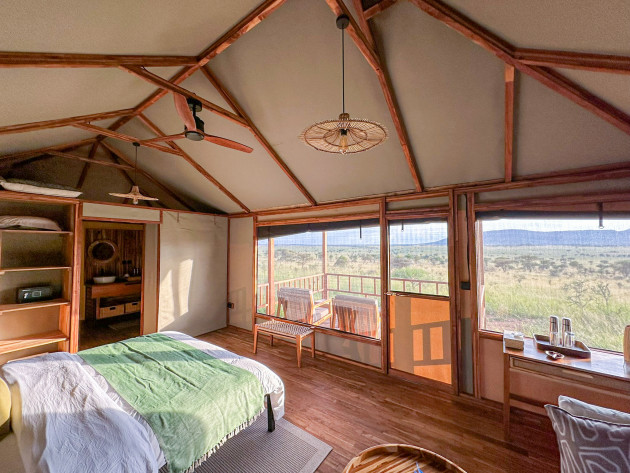
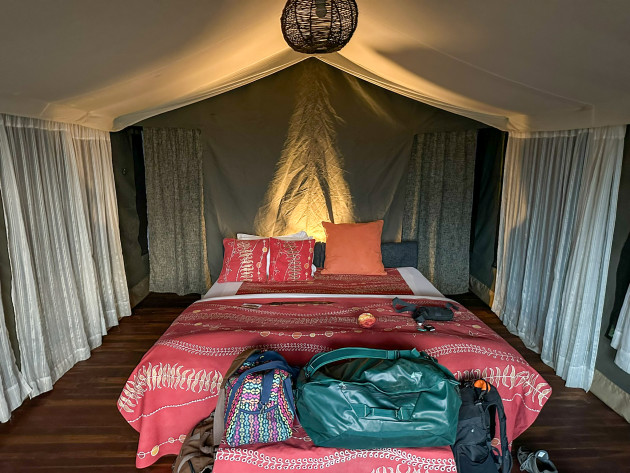
Nyikani Camp is well-positioned in prime wildlife habitat, minimizing long daily drives. Tents (suites!) are spacious and comfortable, each with a living area, large, luxurius bed, and incredible private en suite bathroom. The raised deck is simply incredible, overlooking the vast Serengrti plains!
Midday breaks are part of the design here. Time to rest, review images, or simply sit quietly with a beverage makes the morning and afternoon game drives more enjoyable. We can choose to spend a full day out, or split the days up. Evenings are social and relaxed, with crafted meals and conversation after incredible Serengeti days.
Lake Ndutu
January 20, 21, 22, 23 (4 nights)
Accommodation: Nyikani Migration Camp, Lake Ndutu
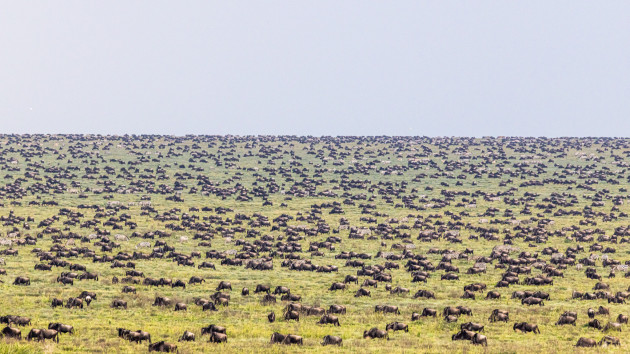
Late January in Ndutu places us in the heart of the Great Migration calving season. Hundreds and thousands of Wildebeest and zebra spread across the plains, and newborn calves appear daily. With that concentration comes predator activity, particularly lions, cheetahs, and leopards.
Ndutu allows off-road driving, giving our guides the freedom to position themselves according to behaviour and conditions rather than being limited to fixed tracks. This flexibility is a major advantage and shapes much of what we experience here.
Four full days matter. They allow us to stay with unfolding situations, return to developing stories, and explore quieter areas away from crowds. The pace remains at our whim, letting our moment to moment experiences guide our days.
Nyikani Migration Camp, Lake Ndutu
Nyikani Migration Camp is located within the Ndutu area, specifically overlooking Lake Ndutu, placing us directly alongside the migration during this peak period. Tents are comfortable, well-designed, private, and comfortable. We are at a higher elevation here, so evenings can be cool, but the hot water bottle at your feet in your bed will take any chill off!
The camp atmosphere is shaped by our own needs, giving us the ability to customize our schedule and connection to this amazing place.
Ngorongoro Crater and Final Safari Night
January 24 (1 night)
Accommodation: Ngorongoro Coffee Lodge
After Ndutu, we climb up, then descend into the Ngorongoro Crater for a final intensive wildlife day. The crater holds a remarkable density of animals within a relatively small area, including large herds of plains game, lions, hyenas, and hippos, with a strong chance of seeing black rhinos.
The experience here is different from the open plains. Encounters are frequent and layered, with wildlife set against the crater walls and changing weather.
Ngorongoro Coffee Lodge
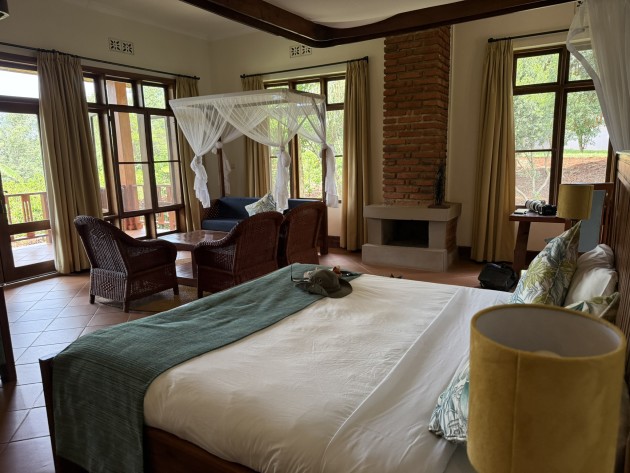
The luxury lodge is set among coffee plantations near Karatu and offers a calm, green environment that contrasts with the open plains.
Rooms are spacious and private, with en suite bathrooms and verandas. Meals are delicious and generous, and the coffee, as expected, is amazing.
Return to Moshi and Departure
January 25 (1 night) and January 26 (day rooms held)
Accommodation: AMEG Lodge
We return to Moshi on January 25 for our final night at AMEG Lodge. Rooms remain available throughout the day on January 26, allowing guests to shower, repack, rest, and transition calmly before evening flights.
This avoids a rushed final day and provides a comfortable, organized end to the trip, including ample time around the wonderful pool.
Fees
Private single accommodation: USD $11,500 per person
Shared accommodation: USD $10,500 per person (two guests sharing)
A CAD $100+gst registration hold secures your spot on the tour.
A USD $3,000 deposit is required within two weeks of registration.
The remaining balance is due October 1, 2026.
This small-group safari is limited to eight guests total, traveling in two custom Land Cruiser safari vehicles, leaving space in each vehicle to provide the best experience. Spaces are confirmed only once the deposit is received.
Travel, Costs, and Planning Notes
Participants are strongly advised to join the optional arrival day in Amsterdam, including an overnight hotel stay. We stay at the Sheraton Amsterdam Airport Hotel at Schiphol, which is directly connected to the terminal. This location is chosen for convenience, reliability, and ease of travel, and these 24 hours in Amsterdam significantly help with adjusting to the 10-hour time change before continuing on to Tanzania.
We will send initial travel guidance shortly after registration, followed by a more detailed preparation package closer to departure.
Estimated Additional Costs (CAD unless noted)
• Amsterdam hotel night (Sheraton Schiphol): approximately $450 CAD
• Round-trip economy flights from Calgary: approximately $2,100–$3,000 CAD
• Tips, drinks, and laundry in Tanzania: approximately $1,400 CAD total
• This includes USD $400 specifically allocated for your Tanzanian driver-guide
• Travel vaccinations and prescriptions (if required): approximately $400 CAD, depending on insurance coverage
• We use a highly regarded travel clinic in Calgary and will provide guidance
What Is Included
• All ground transportation in Tanzania, including airport transfers between Kilimanjaro International Airport (JRO) and Moshi when traveling on the shared KLM flights
• All accommodations throughout the safari
• Bottled drinking water while in the safari vehicles
• All meals except where noted in Moshi
• Full guiding and leadership support with Neil Zeller and Chris Fisher, alongside exceptional Tanzanian driver-guides Cornel and Thom
• All national park and conservation area entrance fees and permits
Items Not Included
You are responsible for the following:
• International flights
• Amsterdam hotel and any optional tours or activities in Amsterdam
• Mandatory travel, medical, cancellation, and interruption insurance
• Tanzania tourist visa (USD $50)
• Alcoholic beverages and other drinks (including bottled water) at mealtimes.
• Laundry services
• Tips
• Travel medical and vaccination requirements
• Lunches in Moshi
Neil will provide clear guidance and recommendations for all items you are responsible for.
Flights and Routing
The recommended flights are with KLM, departing Calgary on January 10, overnighting in Amsterdam, and continuing on to Tanzania on January 12. This routing has proven reliable and has the fewest connections and travel time for this itinerary.
Important Notes
This trip involves rough roads at times, which is normal for a high-quality safari experience. While accommodations are very comfortable, this is still an adventure-based trip.
An information package and in-person/Zoom group preparation sessions will be scheduled well in advance of departure.
Monthly payment plans may be arranged on request.
All participants must carry appropriate travel medical, cancellation, and interruption insurance for the duration of the trip.
All payments, including deposits, are nonrefundable but fully transferable.
The initial deposit is made through the registration site. All subsequent payments are arranged directly with Neil.
A full liability waiver is required for participation.
What You Take Home
You will return home with strong photographs if you choose to focus on them. You will also return with something more important. A clear sense of how wildlife lives, how behaviour unfolds over time, and how patience changes what you see. You will be exposed to an incredible culture unlike ours.
You will have experienced Africa at a pace that allows understanding rather than overwhelm. You will have shared meaningful days with a small group, skilled guides, people, and landscapes that reward attention.
This trip is not about collecting moments. It is about being present for them.
That is what makes it work.