

Restorative Spaces in Practice: Global Insights for Therapeutic Horticulture
Restorative Spaces in Practice: Global Insights for Therapeutic Horticulture
Share this event
Need help?
This mini-conference offers a practice-focused look at how therapeutic gardens are designed, used, and experienced across real-world settings.
Through a virtual tour of some of the UK’s most impactful therapeutic gardens with Anna Baker Cresswell, an evidence-informed exploration of restorative design with Sandra Schwarz, and a practical session on tool selection and adaptation with Emilee Weaver, participants will gain ideas they can apply in their practice—across program planning, space design, and day-to-day facilitation.
Designed for therapeutic horticulture practitioners, horticultural therapists, and allied health professionals, this event will include usable takeaways, thoughtful reflection, and global perspectives to strengthen everyday practice.
This continuing education session content is pre-approved by NCTRC for 180 min (0.3 CEUs)
Presentations
Presentation 1: Inside the UK’s Therapeutic Gardens: Lessons From Two Landmark Tours
What does therapeutic horticulture look like in practice across different health and community settings? In this session, Anna Baker Cresswell will take participants on a behind-the-scenes tour of the UK’s leading therapeutic gardens, drawing from the first two Therapeutic Garden Tours held in September and October 2025.
You’ll hear stories and insights gathered from visits to Thrive (Battersea and Reading), Horatio’s Garden, TWIGS, the Royal College of Physicians garden, the Chelsea Physic Garden, and more. Through project highlights, conversations with staff, and reflections from participants, Anna will share:
- How different programmes support diverse client groups, from rehabilitation to mental health to older adult care.
- Design features and activity models that practitioners can translate into their own settings.
- What stood out across the gardens: approaches to accessibility, volunteer integration, staffing models, and funding realities.
- Lessons learned from coordinating two multi-site, multi-discipline tours, and how these insights can support practitioners looking to expand their practice or build partnerships.
This presentation is ideal for TH/HT practitioners, recreational therapists, horticultural therapists, and allied health professionals who want fresh ideas, practical examples, and global perspectives to strengthen their own programs. No travel required! Just inspiration and learning from some of the UK’s most impactful therapeutic gardens.

Speaker: Anna Baker Cresswell
Anna has devoted the last 20 years of her life to the promotion of Horticultural Therapy. She started a charity Gardening Leave, in memory of her Mother in 2007 after completing a Professional Development Diploma at Coventry University in Social & Therapeutic Horticulture.
In 2013 she received funding from the Army Benevolent Fund and the late Duke of Westminster to run a pilot at the Defence Medical Rehabilitation Centre (DMRC) Headley Court to test the benefits of Horticultural Therapy as a rehab intervention for injured serving personnel. Horticultural Therapy is now an accredited defence output, and Anna is taking on new roles to continue promoting Horticultural Therapy beyond the military community.
Therapeutic Garden Tours is one of them, and she is also proud to be a Trustee of Gardening4Health, a Board Advisor at World Green Infrastructure Network and the Historic Botanic Gardens Trust, and will be an even prouder member of the Association of UK Social & Therapeutic Horticulture when it finally gets over the line in 2026!
Presentation 2: Tools That Make Restorative Spaces Work: Energy-Smart, Adaptive Gardening for TH Practice
Between inspiring garden models and evidence-informed restorative design, this session brings things down to the day-to-day reality of practice: the tools, the techniques, and the small choices that determine whether a garden is truly usable.
Emilee Weaver reframes gardening tools as active “members of the therapeutic team”—not only functional supports, but also practical reflections of dignity, sustainability, and self-care in therapeutic horticulture. Participants will explore the idea that all tools can be adaptive when they’re intentionally selected for the right task and purpose, and how this lens supports participants as bodies and abilities change across the lifespan.
Participants will leave with:
- A professional-level understanding of standard gardening tool features and how they can be used adaptively to support different needs without overcomplicating sessions or relying on expensive, specialized equipment
- Awareness of several newer, lesser-known gardening tools and how they can expand access and efficiency in the garden
- Practical examples of tool use and management techniques that reduce strain and help optimize participants’ energy and effort
Ideal for therapeutic horticulture practitioners, horticultural therapists, recreational therapists, and allied health professionals who want realistic, ready-to-use strategies that connect restorative design to what happens at the potting bench.
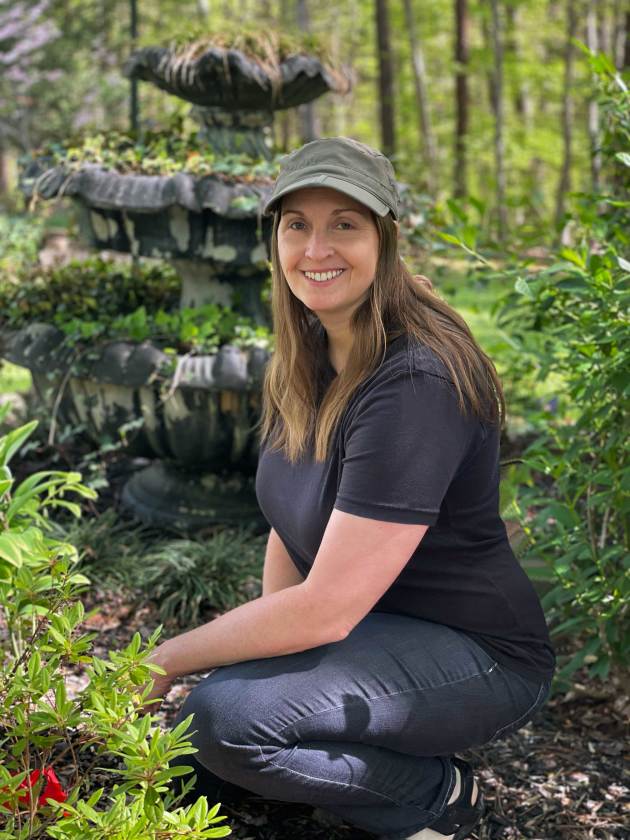
Speaker: Emilee Weaver
With over 25 years in professional horticulture and 15 years dedicated to developing therapeutic horticulture and horticultural therapy programs, Emilee Weaver is a respected leader, educator, and practitioner in the field. She co-authored The Profession and Practice of Horticultural Therapy (2019), one of the first comprehensive textbooks in the discipline, and served as lead instructor and content developer for university-based therapeutic horticulture certificate programs in the U.S. Emilee’s work has spanned clinical, community, and educational settings, with a focus on the intersection of horticulture and mental health. Most recently, she has helped expand therapeutic horticulture internationally, partnering with Ukrainian and Armenian botanical gardens and clinicians supporting communities affected by war. Her lifelong love of plants began in the fern-filled forests of New Hampshire and was nurtured by her grandmother’s influence. When she’s not teaching or consulting, Emilee can be found tending her garden, chatting with her tortoises, keeping her cats out of mischief, and spending time with family and friends who continue to inspire her journey.
Presentation 3: RESTORE in Practice: Designing Restorative Green Spaces for Therapeutic Horticulture
In this session, Sandra Schwarz will introduce key ideas from her book RESTORE: How Green Spaces Support Human Restoration, with a focus on what they mean for therapeutic horticulture practitioners.
Drawing on the six evidence-based design considerations she has developed, namely choice, verdancy, spatiality, comfort, movement and the sensual, Sandra will explore how these elements can be integrated into gardens and green spaces used for therapeutic horticulture. She’ll share examples from a range of settings, including healthcare, community and residential environments, and highlight how design decisions can support emotional, physical, social and spiritual wellbeing.
Participants will leave with practical prompts and questions they can use when planning, adapting or advocating for restorative outdoor and indoor spaces in their own context, as well as a broader lens for talking about “why design matters” in their work.
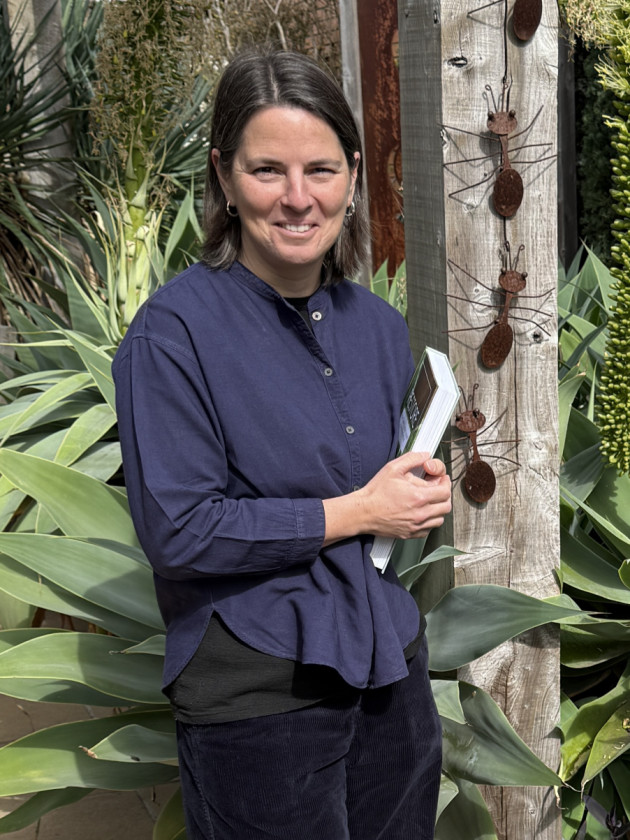
Speaker: Sandra Schwarz
Sandra Schwarz is an educator, landscape architect and author who is passionate about understanding and sharing what makes green spaces restorative. The seed for her book was sown while undertaking a double Masters – Landscape Architecture, at the Swedish University of Agricultural Sciences (Alnarp) and University of Melbourne (Parkville/Burnley). The book expands on her academic work and draws on experiences and reflections on restorative and therapeutic green spaces across Europe, Asia, North and Central America. Exploring cross-disciplinary fields of environmental psychology, social sciences, horticulture, ecology and history, Sandra’s ongoing work aims to merge and share the supportive, nurturing effects of gardens and green spaces.
Sandra continues to support education and the sharing of knowledge, particularly at the Burnley Campus (University of Melbourne) and through presentations to diverse interested groups and organisations. She volunteers weekly at the Royal Talbot Rehabilitation Centre (Austin Health), helping care for the gardens that are so appreciated by the patients, staff and visitors.
Don’t miss this opportunity to engage, learn, and celebrate the global potential of TH & HT. Reserve your spot today!
Learn more about Root in Nature's learning pathways and network here: https://rootinnature.ca/