

Campaign Planning for ENGOs with Mike Balkwill of Water Watchers
Campaign Planning for ENGOs with Mike Balkwill of Water Watchers
Share this event
Need help?
Cost: $120 for staffed nonprofits and $80 for all-volunteer NGOs.
Dates: November 3, 10, 17, 24 December 1, 8, 2022
Times: Thursdays 1:00 to 3:00 PM ET
Campaign Planning for ENGOs is for staff and volunteers of environmental NGOs and grassroots groups who want to grow their capacity to plan effective grassroots campaigns to protect the environment.
Over six participatory sessions, participants will learn about the elements essential to plan, run, and sustain effective campaigns:
1. Identifying & Analyzing Issues: In this introductory session, participants will review the training agenda, create individualized goals for the course, and select the “problem” or the issue to use as a grounded example for campaign planning. This session will also cover some analytical and theoretical frameworks that set context for the rest of the course.
2. Assessing the Terrain: This session will consider the critical questions needed to understand the “terrain” surrounding your issue, as well as identify the foundational information needed to develop a clear picture of the internal & external forces at play in your community and organization.
3. Developing a Theory of Change: Change can be accomplished in many ways, but there are also systemic power dynamics that impact the effectiveness of different change-making approaches. In this session, we’ll explore these power dynamics & the adjoining powerholders to clarify your organization’s theory of change and how it informs your approach to pursuing change.
4. Taking Action: What action does your organization ask people to take and how does it relate to all we’ve learned about your issues, terrain and theory of change? In this session, we’ll dive into designing effective tactics, engaging community members, and determining your campaign timeline.
5. Telling Your Story: Humans are hard-wired to understand the world through stories & use stories as tools to assess & make meaning. The stories we tell about our issues matter deeply, so in this session we’ll cover framing, messaging, and the role of art in activism to develop effective campaign communication strategies.
6. Working Together: No one does environmental work in a vacuum, which means we all must navigate group dynamics with our coworkers, and supporters. In this session, we’ll cover some different frameworks on group dynamics such as leadership styles & decision-making approaches to empower you with some of the knowledge & tools needed to navigate working together during a campaign.
Each session includes participatory exercises participants can use when planning a campaign. The course will also include case examples, links to resources, planning tools, and summary documents for each module. Various campaign tools and templates will be shared. Participants should plan on approximately 1-2 hours of homework per week. We'll organize an extra (bonus) consultation session for those who complete a draft campaign plan and want to share with the group for discussion. All sessions will run for two hours and be facilitated by Mike Balkwill of Water Watchers.
Registration is $120 for staffed nonprofits and $80 for all-volunteer NGOs.
The event will be hosted through Zoom Meetings with cameras enabled and a maximum of 25 participants. Please note, all participants will receive a confirmation email from Ticket Tailor and link to join the webinar in Zoom.
All registrants will be provided with a link to the recordings and the presentation slides after each session.
Presenter:
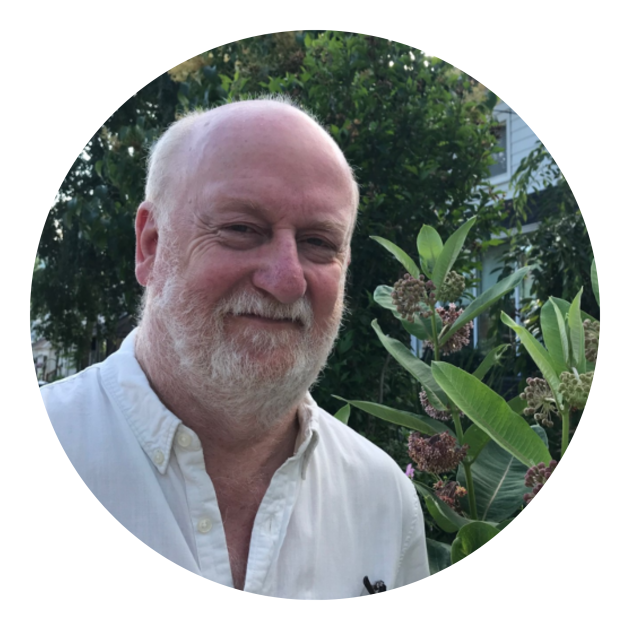
Mike Balkwill has worked as campaign director with the Water Watchers since 2016. He has guided dozens of successful environmental campaigns, including stopping the proposed Xinyi float glass factory twice (Guelph-Eramosa and Stratford), supporting Stop Sprawl Hamilton and Stop Sprawl Halton to win their ‘no urban boundary expansion’ campaigns, and winning protections for the Ontario Reformatory lands, among others. Mike is also the coauthor of the Campaign Planning Handbook.