

REHIP Project - Exploring Hydrogen Innovation: Research, Technology and Opportunities for Business
REHIP Project - Exploring Hydrogen Innovation: Research, Technology and Opportunities for Business
Share this event
Join us for a series of expert-led webinars delivered through the Research England Hydrogen Innovation Project (REHIP) www.rehip.co.uk , a collaborative initiative focused on accelerating hydrogen innovation, supporting business growth, and enabling the transition to a low-carbon future.
This free webinar series will bring together researchers, industry experts and innovation specialists to explore the latest developments in hydrogen technologies, applications and infrastructure. Designed for businesses, policymakers, researchers, students and anyone interested in the future of clean energy, the series provides practical insights into emerging opportunities across the hydrogen value chain.
From hydrogen production and transport infrastructure to fuel cell technology, emergency vehicle applications and waste-to-hydrogen solutions, each session will showcase cutting-edge research and innovations shaping the future hydrogen economy.
Webinar Programme
Introduction to the Research England Hydrogen Innovation Project (REHIP), Supporting Businesses to Develop Solutions and the Importance of a Just Transition
Date: Thursday 8 October | Time: 12:00pm to 1:00pm
Date: Thursday 22 October | Time: 12:00pm to 1:00pm
The opening webinar will introduce the Research England Hydrogen Innovation Project and its mission to support businesses in developing innovative hydrogen solutions. The session will also explore the importance of a just transition, ensuring that the move towards a low-carbon economy delivers economic, social and environmental benefits for communities, businesses and workers.
Confirmed Speakers:
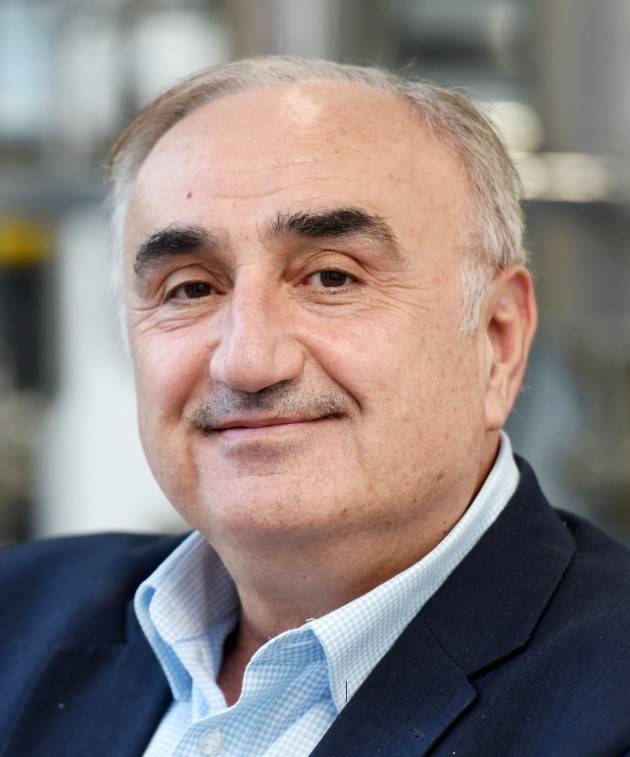
Professor Nashwan Dawood is Research Director of the Net Zero Industry Innovation Centre (NZIIC) at Teesside University and Principal Investigator of the Research England Hydrogen Innovation Project £11 million (REHIP funded by UKRI, Teesside and Durham Universities). An internationally recognised expert in industrial decarbonisation, digital innovation, and hydrogen technologies, he has led numerous multi-million large-scale research and innovation programmes in partnership with industry, government, and academia. Professor Dawood's work focuses on accelerating the transition to net zero through the development of sustainable energy solutions and innovative technologies. He has published extensively, secured significant research funding, and is widely recognised for translating research into practical industrial impact.
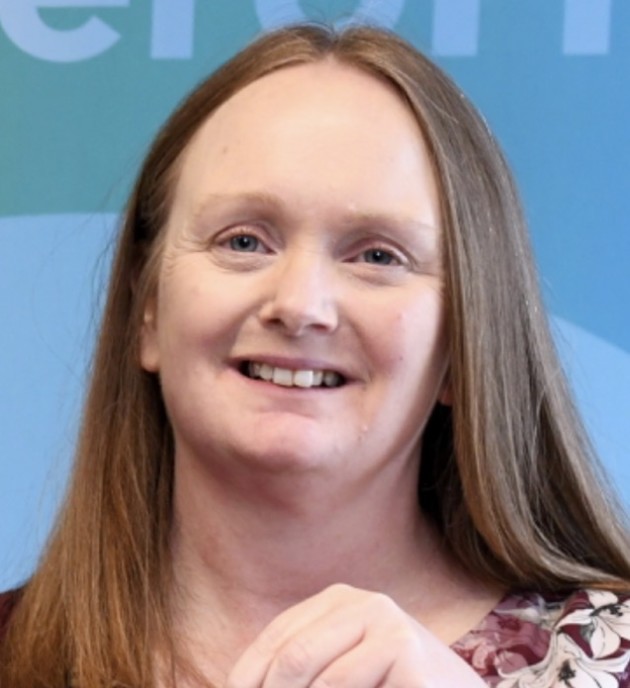
Dr Clair Cooper Environmental Social Scientist specialising in the people and place dimensions of net zero and infrastructure change. As a Research Fellow at Teesside University’s Net Zero Industry Innovation Centre (NZIIC), she investigates the social dimensions of hydrogen and wider decarbonisation pathways across energy, transport, heat and industry. Her work examines public perceptions, trust, risk and acceptance of emerging technologies, using mixed methods including surveys, interviews, participatory workshops and co-design. She works closely with policymakers, industry and communities to understand their attitudes to low-carbon technologies and ensure that infrastructure investment and technological innovation are equitable, responsive to local needs and grounded in robust social evidence.
Hydrogen for Road Transport, Energy Needs and the UK's Hydrogen Infrastructure
Date: Wednesday 21 October | Time: 12:00pm to 1:00pm
This webinar will examine the role of hydrogen within the transport sector, focusing on road transport applications, future energy requirements and the evolving hydrogen infrastructure landscape across the UK. Attendees will gain insight into the opportunities and challenges associated with deploying hydrogen technologies at scale.
Confirmed Speakers:
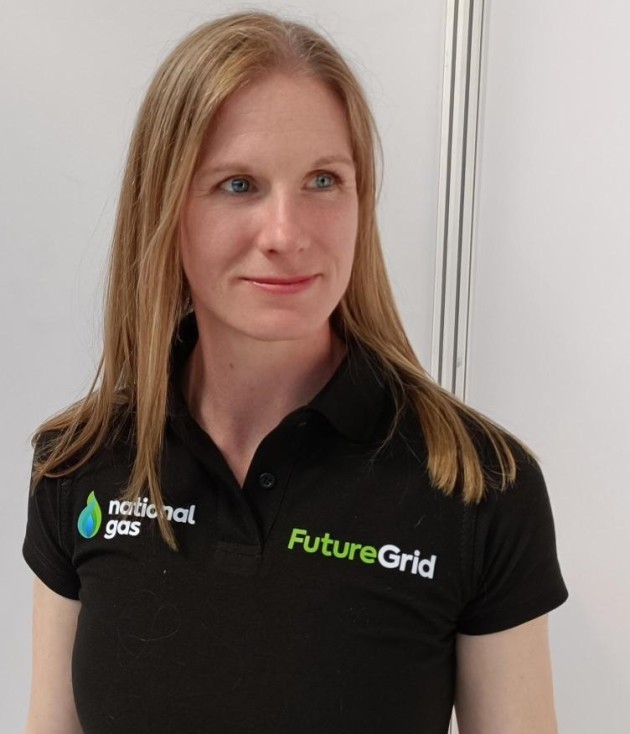
Dr. Lisa Witty is a Senior Engineer within the National Gas Hydrogen Team working on policy and process safety. For the past three years Lisa has worked on multiple hydrogen and safety related projects including small and large scale testing, and has been supporting the delivery of FutureGrid Deblending projects. A chemical engineer by background, she specialises in hydrogen safety, process safety, fire and explosion, network asset integrity, and the development of technologies and evidence required to enable the UK's transition to a decarbonised economy.
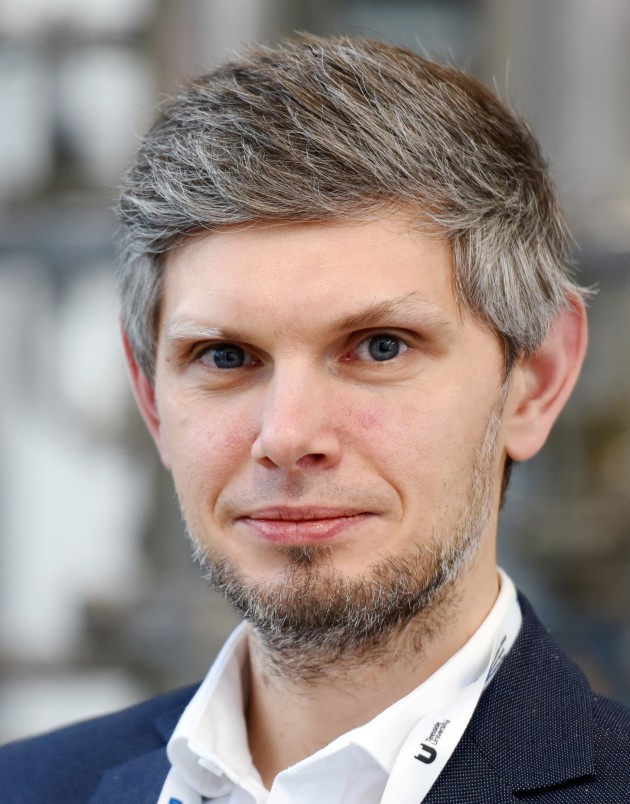
Prof. Dawid Hanak is a professor at the Net Zero Industrial Innovation Centre (NZIIC). His research uses techno-economic analysis and life cycle assessment to examine what carbon capture and use, direct air capture, and hydrogen technologies really cost and what they really deliver in emissions terms. He builds process models that link engineering performance to economic and environmental outcomes, so decision makers can see where a technology fits and what stops it scaling. He leads and contributes to EPSRC, DESNZ and industry-funded projects with partners across the UK, and advises GreenTech and carbon dioxide removal founders on evidence and investor readiness.
Opportunities for Hydrogen-Fuelled Transportation for Emergency Vehicles and Fuel Cell Technology
Date: Thursday 5 November | Time: 12:00pm to 1:00pm
Discover how hydrogen-powered transportation solutions can support emergency service operations and other specialist vehicle applications. The webinar will also explore advances in fuel cell technology and examine how hydrogen can contribute to reliable, low-emission transport solutions.
Confirmed Speakers:

Dr Huda Dawood is an Associate Professor of Research in Engineering at Teesside University, specialising in sustainability, energy transition, hydrogen transport, industrial decarbonisation, smart energy systems, digital twins and asset management. She has extensive experience leading multidisciplinary research and developing decision-support tools for net-zero transition. Dr Dawood has contributed to major UK and European research projects in hydrogen and energy systems. She currently leads Teesside University’s contribution to the REHIP FISH-COP project, working with Cleveland Police and other partners to evaluate hydrogen-powered vehicles for operational policing, including performance, infrastructure requirements, user acceptance and the wider potential for decarbonising emergency-service fleets.

Dr John Blake is Fuel Cell Product Development Manager at Johnson Matthey Hydrogen Technologies, where he leads the development of next-generation membrane electrode assembly (MEA) products for fuel cell systems. Since joining the company in 2012, he has held a range of technical roles supporting the advancement of hydrogen and fuel cell technologies. John earned his PhD from the University of Southampton, researching novel materials for fuel cell catalyst discovery. His work spans product development, scale-up and commercialisation, with a strong focus on translating scientific innovation into commercially viable solutions through close collaboration with customers, suppliers and industry partners.
Transitioning Saltwater Electrolysis Towards a Commercial Solution
Date: Wednesday 18 November | Time: 12:00pm to 1:00pm
This session will provide an overview of research and innovation in saltwater electrolysis, highlighting progress towards commercial deployment. Participants will learn about the technology's potential to support sustainable hydrogen production and the challenges associated with scaling innovative production methods.
Confirmed Speakers:

Dr. David Hodgson is an electrochemist and clean-tech entrepreneur serving as Executive Chairman of SurreyH2. With a PhD in electrochemistry, he guides the company in developing novel water-splitting and metal hydrogen carrier technologies for low LCOH, efficient, emission-free hydrogen production, storage and transport. A veteran in advanced materials and electrochemistry, Hodgson previously founded PV3 Technologies (acquired by James Cropper PLC) and served as Chief Technology Officer at James Cropper. He also holds executive roles at Oxford nano Systems and Redox Foundry, alongside an Honorary Chair in Electrochemistry at the University of Exeter and a Visiting Chair at the University of Surrey.
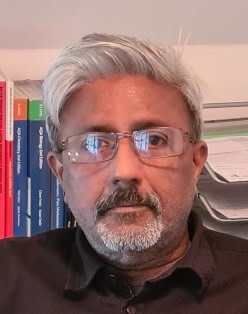
Dr. Venkatesan Venkata Krishnan (Venkat) is a Senior Lecturer in Chemical Engineering at Teesside University with extensive experience spanning academia, industrial R&D, and product development. His expertise includes catalysis and reaction engineering, solid oxide fuel cells and electrolysis, and alkaline electrolysis. Venkat’s current research focuses on hydrogen production through alkaline seawater electrolysis, solid oxide electrolysis of steam, hydrogen applications including H₂ direct reduced iron (H2DRI), and CO₂ hydrogenation. He leads research using advanced laboratory facilities for catalyst testing, gas analysis, electrochemical characterisation, and fuel cell/electrolyser performance assessment.
Waste-to-Hydrogen Through Pyrolysis and Hydrogen Combustion
Date: Thursday 3 December | Time: 12:00pm to 1:00pm
The final webinar in the series will explore how waste materials can be used to produce hydrogen through pyrolysis processes, alongside developments in hydrogen combustion technologies. The session will examine the role these approaches can play in supporting circular economy principles and reducing carbon emissions.
Speakers: To be confirmed
Who Should Attend?
This webinar series is suitable for:
·Businesses interested in hydrogen technologies and innovation
·SMEs exploring opportunities within the hydrogen economy
·Industry professionals and technology providers
·Researchers and academics
·Students interested in clean energy careers
·Policymakers and public sector stakeholders
·Anyone interested in the future of hydrogen and net-zero technologies
Register Today
Whether you are new to hydrogen technologies or already active within the sector, this webinar series offers a valuable opportunity to learn from experts, explore emerging innovations and discover opportunities for collaboration and business growth.
Join us as we explore the technologies, challenges and opportunities shaping the future of hydrogen innovation.