
Creating & celebrating positive research environments: Introducing Working Well Together
Creating & celebrating positive research environments: Introducing Working Well Together
Share this event
Join us for the launch of the new Working Well Together (WWT) resource to discover how we can support high quality research endeavours by creating and celebrating positive environments within the groups, teams and divisions that we work within.
Find out how the resource was produced and piloted, and how it can help you within your area of work.
You will have a chance to:
- Contribute to further development by taking a look at the resource and provide feedback.
- Reflect on how your own team(s) operate and learn how they can review, develop and celebrate your positive working practices.
- Discuss and share your experiences and working practices with colleagues within and beyond your teams.
What can I expect?
This event will give you the opportunity to view the Working Well Together resource prototype and understand how it can help the teams/groups you work with communicate, reflect and shape how you work well together.
We will share success stories and case studies to demonstrate how the resource can benefit a variety of teams, groups and networks, and ultimately support high quality research outputs.
We will also situate the resource within the context of the Research Excellence Framework (REF) 2029 and how this may help you to contribute to a positive research environment.
Who should attend?
This event is open to anyone at the University, and includes academic researchers, research professionals and professional services, technicians and postgraduate research students.
We encourage you to share the event with others in your team(s)/group(s) to help spark conversations about how you can reflect, develop and celebrate positive working practices together.
Schedule for the day
12:30 - 13:15 Lunch, registration & networking
13:15 - 13:30 Welcome and background to the Working Well Together resource
13:30 - 13:45 Why working well together matters in a research environment?
Fiona Booth (Data Integrity and Quality Assurance Programme Manager) and Amy Davies (Senior Research Associate and Co-Chair of the Reps Committee) will discuss their experiences of what makes a positive team environment and the impact this environment can have.
13:45 - 14:30 People, Culture and Environment: Looking ahead to REF 2029 Panel
Panel and Q&A session to discuss developing and maintaining positive working environments as part of the next Research Excellence Framework, with:
Caroline Jarrett (Faculty Technical Manager)
Prof Marcus Munafò (Associate Pro Vice Chancellor for Research Culture)
Helen Young (Associate Director of Research Excellence)
Faith Uwadiae (Wellcome Research Culture Team representative)
14:30 - 14:45 Coffee break & networking
14:45 - 14:55 Introduction to the Working Well Together resource
14:55 - 15:20 Group activity: Culture indicators
An interactive session to explore and discuss key factors that influence working environments and your experiences of those cultures at the University.
15:20 - 15:40 Case studies: Benefits of the Working Well Together approach
Prof Jack Mellor (Neuroscience, School of Physiology, Pharmacology & Neuroscience) and Alison Denny (Programme Manager, Bristol Medical School) will discuss their experience of using the WWT approach with the teams and groups they work with.
15:40 - 16:00 Closing words & call to action
16:00 - 17:00 Networking (optional)
Meet our speakers
Fiona Booth, Data Integrity and Quality Assurance Programme Manager
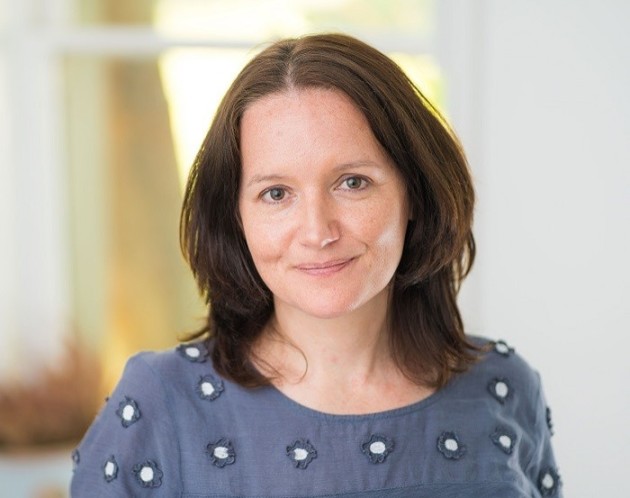
Fiona’s (she/her) role at the University of Bristol is to work with researchers at all career levels to embed reproducible and transparent research practices within academic projects. Fiona helps people to design processes and establish team roles to assure the provenance and integrity of research outputs at each stage of the data lifecycle. Prior to joining the university, she worked in a range of commercial research settings from blue chip pharma to niche biotechs in a diverse range of organizational and cultural setting.
Amy Davies, Research Coordinator and Lecturer in Applied Statistics

Amy graduated from the University of the West of England with a BSc in Business Decision Mathematics and an MSc in Statistics and Management Science. Amy has worked at the University of Bristol since 2011 and is the Research Coordinator and Senior Research Associate for The Cleft Collective cohort studies and a lecturer in Applied Statistics at Bristol Dental School. Amy works alongside clinicians and researchers across the globe to help facilitate their research in cleft lip and palate, helping collaborators to design their research studies and undertaking the statistical analyses for their projects. Amy teaches statistics and evidence-based practice to students of all levels from the international foundation programme, throughout undergraduate dentistry and postgraduate courses.
Amy is a co-chair for the Research Staff Representatives Committee and works alongside pathway two staff across the University of Bristol to help facilitate engagement between research staff and the university. The Research Staff Representatives Committee provides an informed voice for the research community that can influence University policy and decision making to bring about positive change to work environment, personal & professional development and researcher wellbeing.
Jack Mellor, Professor in Neuroscience, School of Physiology, Pharmacology & Neuroscience
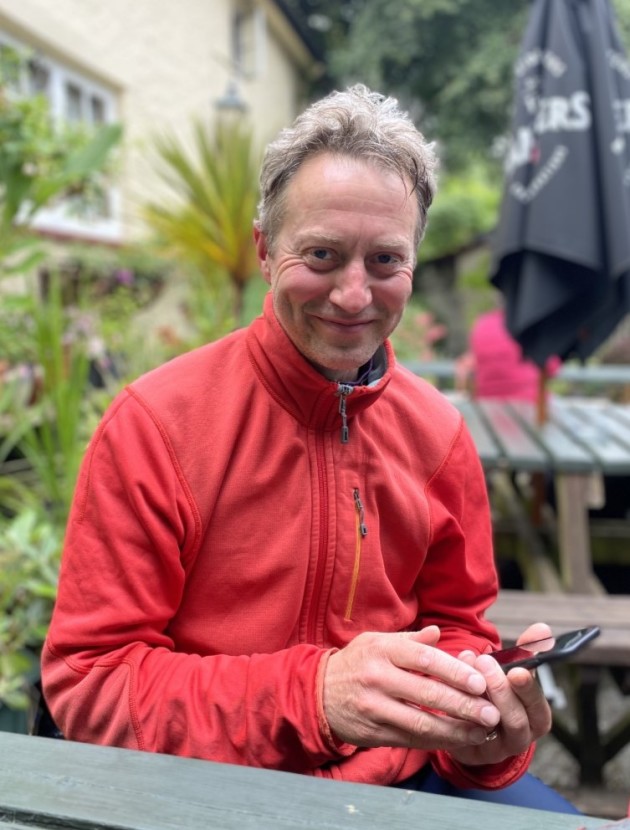
Jack Mellor graduated from the University of Cambridge in 1995 with a degree in Neurophysiology and stayed in Cambridge to study for his PhD on the biophysics and pharmacology of inhibitory synaptic transmission at the MRC Laboratory of Molecular Biology with Andrew Randall. After completing his graduate work in 1998, Jack worked briefly on science policy at the UK government before joining Roger Nicoll’s laboratory at the University of California San Francisco working on the mechanisms of synaptic plasticity in the hippocampus. In early 2002 Jack returned to the UK and joined the laboratory of John Isaac at the University of Bristol before setting up his own laboratory in 2004 with an MRC funded Career Development Fellowship. He now leads a team that collaborates extensively with academic, clinical and industry partners focussing on how hippocampal network function is modified by synaptic plasticity and neuromodulators.
Alison Denny, Programme Manager, Bristol Medical School
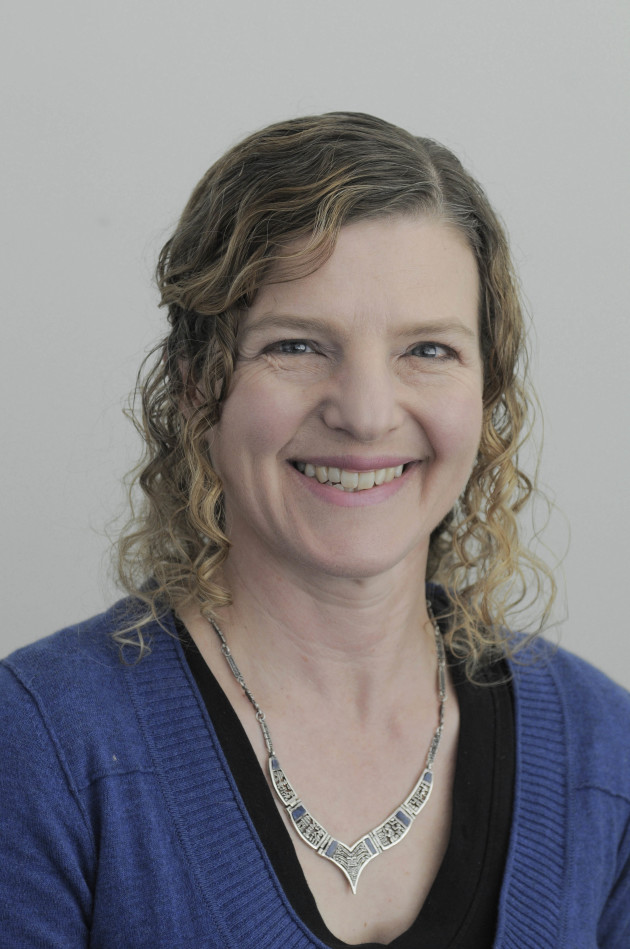
Alison graduated with a degree in Psychology and then moved into the corporate world for several years before changing tack and focusing on running overseas expeditions. This stimulated an interest in international development and she completed a Masters degree at the University of Reading, before returning to overseas work with the youth development charity Raleigh International, as Country Director in Chile.
Alison ventured into the world of academia through a role at the University of Stirling, working as the project manager for a Sports Technology Project, developing partnerships between scientists and engineers and small businesses. She moved to Bristol in 2014 and joined the Faculty of Engineering as the Project Manager for the Rolls-Royce University Technology Centre. In 2015, she was recruited as the Programme Manager for a large cancer epidemiology programme, and continues in the role, facilitating the development and expansion of the programme.
Alison was Chair of the University-wide Research Professionals Network from 2020 to 2024, overseeing significant growth of the Network and raising the profile of research professionals. She also developed the post award content for the evolving Research Services Hub, hosted by DREI, and is continuing to identify opportunities for improving our research management.
Panel
Dr Caroline Jarrett, Faculty of Science & Engineering Technical Manager
Caroline (she/her) completed both her undergraduate degree in Genetics and Microbiology and PhD in endocrinology at the University of Sheffield.
Caroline then actively chose to pursue a technical career, joining Clinical Sciences (now Health Sciences) in 2006 as a Research Technician, progressing to Senior Research Technician followed by a transition to the Faculty of Science in 2016, taking up the role of Deputy School Technical Manager in the School of Physics. In 2018 she gained Chartered Scientist status and in 2019 became a Faculty Technical Manager which is her current role within the Faculty of Science and Engineering. As a member of the Strategic Technical Leadership team within the University Caroline is committed to ensuring visibility, recognition, career development and sustainability for technicians.
Prof Marcus Munafò, Associate Pro Vice-Chancellor of Research Culture
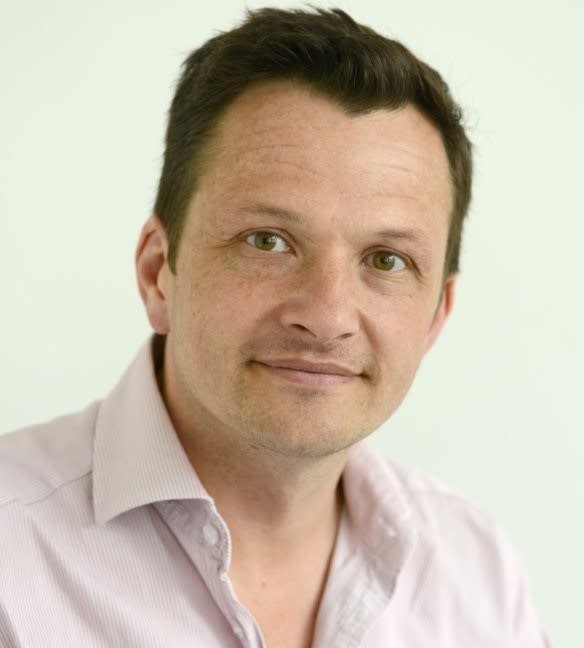
Marcus is Associate Pro Vice-Chancellor of Research Culture at the University of Bristol. He leads on research culture activity across the university, providing direction and vision, working across the institutional landscape, and identifying key challenges and opportunities. He is also institutional lead for the UK Reproducibility Network.
Dr Helen Young, Associate Director of Research Excellence
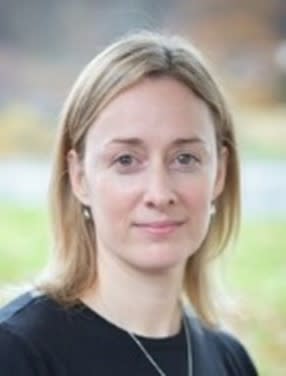
Helen recently joined Bristol from the University of Strathclyde, where she was Head of Research Policy and Information covering REF, research integrity, human ethics, research information and systems, responsible research assessment, research culture and open research. As Associate Director of Research Excellence she manages the DREI Research Information and Evaluation Team and provides Professional Services leadership for REF 2029.
A values-driven pragmatist, Helen balances a desire for best practice with sensitivity to context and seeks to build collaborative and trusting relationships as the basis for all she does. Passionate about informing and supporting sector-wide change, she co-champions the Association for Research Managers and Administrators (ARMA) REF Special Interest Group (SIG) and has helped to facilitate the Vitae People, Culture and Environment (PCE) workshops. Helen also played a key role in establishing and co-chairing the UK National Chapter of the Coalition for Advancing Research Assessment (CoARA) to drive forward collaborative action.
Dr Faith Uwadiae, Wellcome Trust Research Culture and Communities Specialist
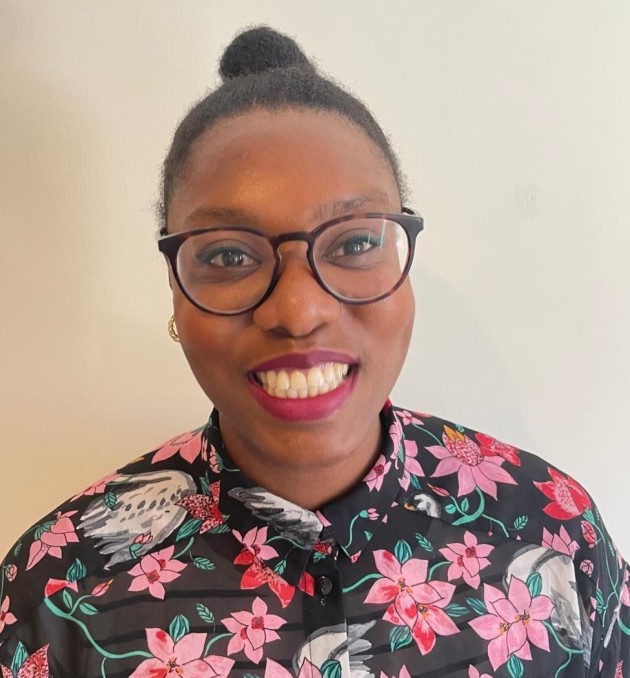
Faith is a Research Culture and Communities Specialist at the Wellcome Trust. Her vision is for academic research to be more positive and inclusive, enabling everyone to thrive. Sadly, this is currently not a reality, but she is working on it. Faith works on specific Wellcome research culture initiatives, advises teams across Wellcome on redesigning their funding opportunities to drive better cultures and collaborates with other industry stakeholders to incentivise and transform the research and innovation sector. Faith also leads Wellcome’s work to support Black-led initiatives which enhance the careers of Black-heritage researchers. Before joining Wellcome, Faith spent 10 years in academic research, this included completing a PhD in Immunology at Imperial College London and working as a post-doctoral researcher at the Francis Crick Institute. It is this time in academia, the people she met and their stories and experiences that fuel her passion to revolutionise and change the system for the better. Outside of work, Faith is the Queen of taking on new hobbies; currently, this includes cycling and gardening, but in the past, she was obsessed with crocheting and homebrewing beer. Who knows what's next!
Working Well Together team
Eleanor Walsh
Eleanor (she/her) is a co-lead on the Working Well Together project and a researcher at the Bristol Medical School specialising in Health Data Science. She has a keen interest in how to encourage positive working environments and make the most of the diverse roles and skills within research groups and collaborations to benefit everyone working in a research environment.
Sarah Campbell
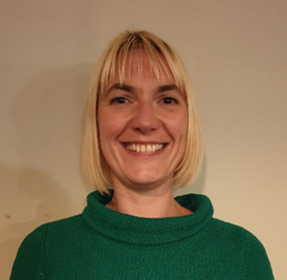
Sarah (she/her) is a co-lead on the Working Well Together project and a producer for MyWorld at the University of Bristol. She also has a company, PWFL Training, that creates game-based learning experiences to develop leadership and teamworking skills. Her previous experience as an academic has developed in her a keen interest in improving culture within academia, with a particular focus on promoting positive collaborative working practices.
Claudia Gumm

Claudia (she/her) is a Senior People Development Manager. In her role, Claudia leads on enabling effective research practices through developing skills, behaviours and practices of those who play a part in the research process. Claudia co-initiated the Working well together project 2 years ago, exploring a researcher behavioural framework. Based on this initial work she shaped the Working well together project, to support teams in the higher education context to enhance the ways teams work together.
Location
Lantern Hall, Bristol Beacon, Colston Street, Bristol, BS1 5AR