

The Untold Story of Port: a sensational lecture with matching port
The Untold Story of Port: a sensational lecture with matching port
Share this event
Join Jack Burke, acclaimed chef and Times food and travel writer, and Dr Matthew Green for a sensational lecture on the untold story of Port -- and of the English in Porto -- delivered from a beautiful cabin on the Atlantic coast, via Zoom, while you sip the delicious drink itself, thick as ink.
- This is an online, fully interactive event, broadcast via Zoom.
- To accompany the lecture (and take the party on!) we recommend you order a delicious bottle of C. da Silva Dalva 10 Years Old Tawny Port Porto here (or a more budget-friendly option here)
638 years of alliance, 300 years of one Anglo-Portuguese dynastic family, and an archive nobody outside the family has been allowed to see.
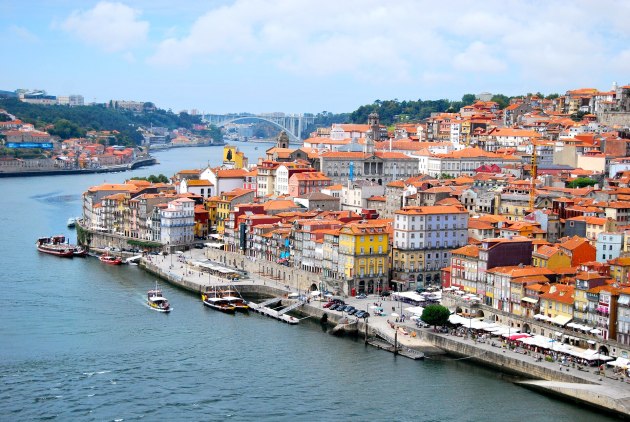
The story properly begins not in a London club but on a shipping problem. By the mid-1600s England was at war, on and off, with France, and Bordeaux's wine had a habit of disappearing from English tables along with diplomatic relations. English merchants went looking for a substitute and found one up the Douro, where monks and local growers had been making wine for centuries.
The wine itself didn't survive the journey home especially well, so merchants started fortifying it with grape spirit, partly to stabilise it for the crossing and partly, as the story goes, because a monastery near Lamego had already been doing exactly that to sweeten and preserve its own stock. The result was something stronger, sweeter, and far more resilient than the wine it was replacing, and it arrived in England as something genuinely new rather than a substitute anyone was settling for.
Long before Port ever reached a London decanter, it had to get down the Douro, and that alone made Porto a strange, mercantile sort of town.
English merchants had already begun buildings lodges, long lower warehouses with barrels stacked high in the damp Atlantic air.
So everybody wrongly assumed Port is Portuguese through and through. Geographically it is, but wander into the great lodges of Vila Nova de Gaia, as Jack Burke did, granted rare passage behind the velvet rope by the Symington family, and you'll find the ledgers, labels, and a smattering of surnames that show the English influence on this most Portuguese of exports.
Three hundred years that dynasty has been at it, and I'm bringing the archive to you: ledgers the colour of strong tea, sepia forefathers squinting into the Iberian sun, barrel-staves stamped with initials nobody alive can now identify.
For one glorious night only, lubricated by the good stuff, I shall walk you through the whole rollicking journey, from its emergence as a drink in the damp merchant town of Porto, where wealthy and insular English merchants had begun building clubhouses, to the terrifying clubs of St James's, where gouty gentlemen passed the decanter clockwise like a religious rite, all the way to the middle shelf of your local Sainsbury's, wedged into a Christmas hamper between the stem ginger and crackers. Clubland to cul-de-sac in three centuries flat.
Along the way I'll introduce you to the whole family: White Port, pale and criminally underrated; Ruby Port, young and unpretentious; Tawny Port, aged to the colour of an old leather satchel; LBV Port, the clever middle child offering vintage richness without the decades of patience; and Vintage Port itself, the aristocrat, corked and forgotten about for exactly as long as it takes to become extraordinary.
Three hundred years, one dynasty, and a hundred hillsides steeper than they have any business being.
Join us, for the untold tale of the English in Porto.
MORE ON YOUR HOSTS
MR JACK BURKE
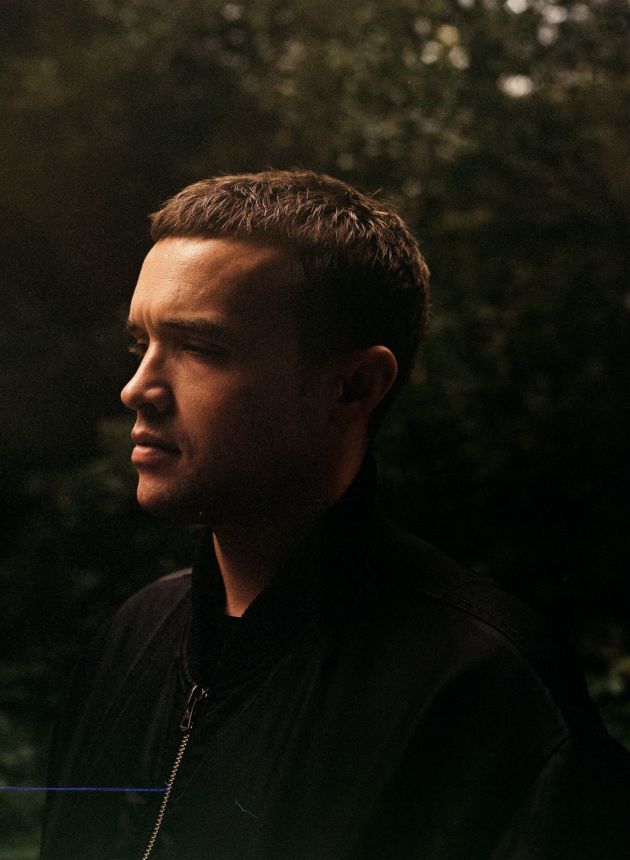
Jack Burke is a writer, presenter and private chef whose work blends sharp observation, subcultural curiosity and a deep love of food. He’s a former QI Elf and film researcher; he wrote a cookbook for Leon. Jack studied Classics at UCL before working in television. He began cooking professionally during university summers, mostly in France and Italy, and continues to take on private chef work alongside his writing. After a cancer diagnosis in his twenties — and years of recalibration — Jack began writing a memoir and developing a television series about hidden Britain: its eccentrics, subcultures and off grid culinary traditions. He now runs Quaff Club, a popular London supper club, and his feature writing can be read in the Times, YOU Magazine and Dispatch.
DR MATTHEW GREEN

Writer, historian & broadcaster Dr Matthew Green is the author of Shadowlands: A Journey through Lost Britain (Faber), a Times top 10 bestseller, Waterstones Book of the Year 2023, and shortlisted for the Wainwright Literary Prize. He has a doctorate in history from Oxford University and has appeared in many television documentaries and radio programmes, and writes for the Telegraph, Guardian and FT. His first book, London: A Travel Guide through Time (Penguin) was described by the Sunday Times as ‘all-sensory and immersive’ and by the Londonist as ‘easily the best social history of London for a decade’. His writing has been praised by Claire Tomalin, Ian Mortimer, Cerys Matthews, and by historian and podcaster Tom Holland as ‘brilliant’. He lives in Leytonstone and loves red wine and cold-water swimming (not in that order).