Event marketing trends: the latest tactics Event Creators are using
We break down the latest marketing trends to be aware of as an Event Creator, and how to get the most out of them when it comes to driving ticket sales.

Event marketing trends are evolving quickly as new tools, platforms and audience expectations reshape how events are discovered and booked. From the rapid advancement of AI to the latest algorithm preferences of social media giants, it can be hard to keep up; especially when you’re a busy event creator focused on producing incredible experiences for your attendees.
If you’re not quite sure whether your promo tactics are optimal for today’s audiences, this round-up of event marketing trends is for you.
We break down the latest marketing trends to be aware of as an event creator, and how to get the most out of them when it comes to driving ticket sales.
Let’s go.
How paying attention to current marketing trends can help boost event ticket sales
Staying close to the ever-evolving world of marketing trends helps you promote your events in a way that aligns with current audience behaviour and expectations, rather than relying on tactics that may have lost momentum. This can mean anything from embracing short-form video to partnering with micro-influencers, depending on what audiences are responding to right now.
Whether you’re promoting a large conference or a local workshop, aligning your marketing with current habits builds trust and increases the chances of better ticket sales. It allows you to test new approaches, spot opportunities early, and refine your strategy based on what resonates. Which is ultimately the thing that helps you sell more tickets.
Key event industry marketing trends at a glance
Before we dive deeper, here are some of the biggest event marketing industry trends to think about harnessing as an event creator:
- 80% of marketers now use AI for content creation, making it easier to produce event pages, emails, and ads at scale.
- Short-form video delivers the highest ROI of any content format, driving discovery across platforms like TikTok and Instagram.
- Micro-influencers often outperform larger creators, thanks to higher engagement and stronger audience trust.
- Lead quality and conversions are now top priorities, shifting focus away from vanity metrics like impressions.
- More marketers are investing in community-building, not just one-off campaigns.
AI-powered marketing is now part of everyday workflows
AI has quickly become part of the everyday toolkit for marketers, and a huge 87% of content creators now use it in their workflow.
For stressed-out event organisers, this can only be a good thing. Tasks that used to take a full afternoon, like writing your event page or planning a launch email, can now be done in a fraction of the time. Which means you can spend less time staring at a blank page, and more time honing the finer details that make your event stand out.
Using AI also makes it much easier to stay consistent with your marketing content, as well as to test what works and what doesn’t. You can draft a batch of social posts, test different versions of your messaging, and quickly tweak your copy as your event evolves.
AI tools to try as an event creator
There’s a seemingly infinite array of AI tools out there these days, but we think the below are particularly useful for helping event creators save time and stay consistent:
- ChatGPT: great for drafting event descriptions, emails, and social captions
- Canva Magic Write: quick copy generation alongside easy design for social posts and posters
- Jasper: useful for longer-form marketing content with built-in templates
- Copy.ai: fast idea generation for campaigns, ads, and event naming
- Notion AI: helpful for planning content calendars and organising marketing tasks
How to get the most out of AI
AI works best when you treat it as a starting point, not the finished product:
- Give clear prompts: include details about your event, audience, and tone of voice
- Edit for personality: make sure your content sounds like you, not a generic brand
- Use it for variation: generate multiple versions of headlines, emails, or captions to test
- Stay consistent: use AI to help you show up regularly across channels
- Keep it accurate: always double-check dates, times, and event details before publishing
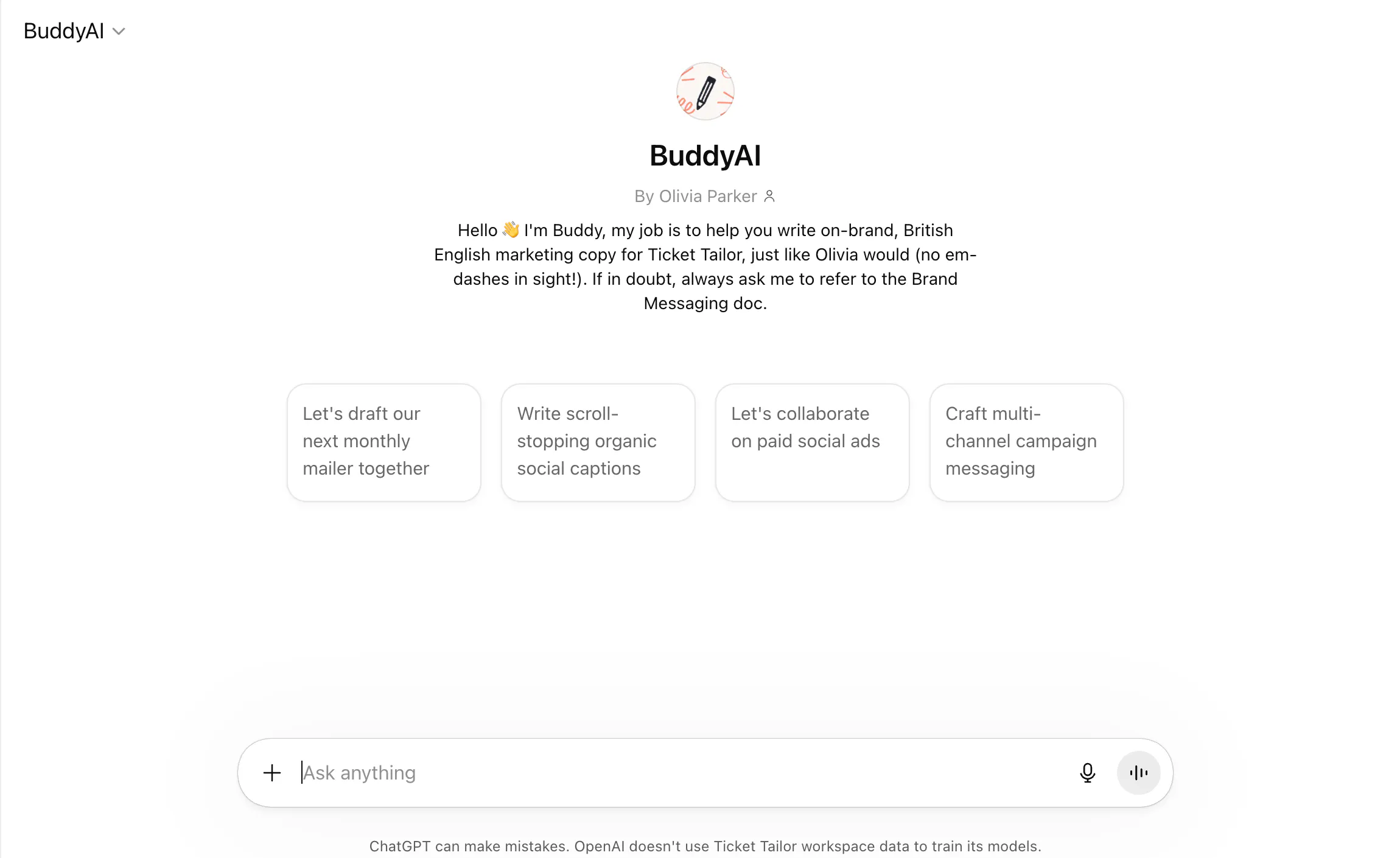
- Build your own agents/assistants: In tools like ChatGPT you can build your own GPTs where you have the ability to upload information about your business like brand guidelines, tone of voice guidance and more. It can help turn slop into something that sounds more like your brand.
Short-form video is leading event discovery
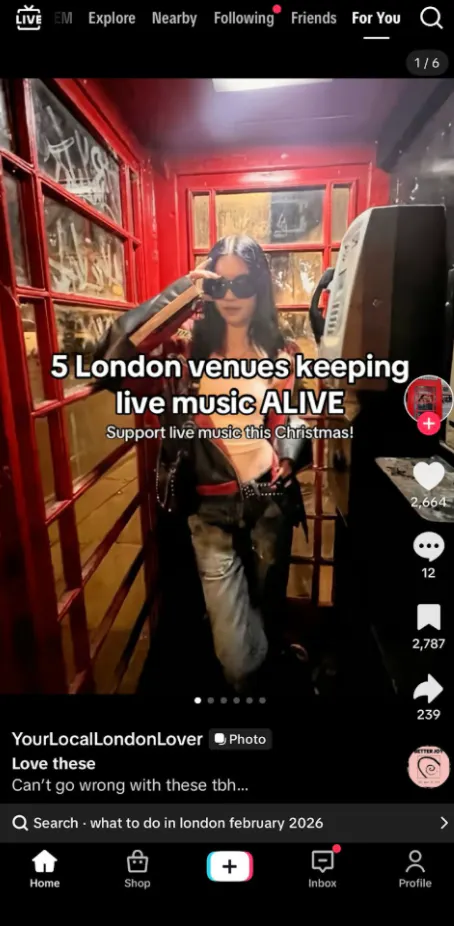
Short-form video has moved from a “nice to have” to one of the most effective ways to get your event seen. Recent research from HubSpot shows it delivers the highest ROI of any content format, with more marketers investing in it than any other channel.
This shift is being driven by how platforms distribute content. TikTok, Instagram Reels, and YouTube Shorts are built to surface content to a wide audience rather than just your own followers, which means a single clip can introduce your event to entirely new people.
For event organisers, this creates a clear advantage. You already have access to one of the most compelling marketing assets available, which is the live experience itself. Even simple footage can tap into people’s desire to get a glimpse into the events that excite them.
It also changes the role of content in your marketing. Rather than relying on one strong launch moment, short-form video allows you to build visibility gradually in the lead-up to your event. Each clip becomes a touchpoint that reinforces interest and keeps your event top of mind.
How to get the most out of short-form video
Short-form video works best when it’s simple, consistent, and rooted in your actual event experience:
- Show the atmosphere: capture real moments like crowds, reactions, and standout highlights
- Keep it short and focused: aim for one clear idea per video rather than trying to show everything
- Post consistently: regular content builds visibility and keeps your event top of mind
- Use what you already have: repurpose footage from past events instead of starting from scratch
- Lean into trends (selectively): use trending sounds or formats where they feel relevant to your event
- Follow best practices: Meta has recently released it’s creative playbook detailing the best way to get the most out of the creative you’re posting and sponsoring on the platform.
Community-led marketing is replacing one-off campaigns
Research shows a growing investment in community as part of the marketing mix, with engagement and loyalty becoming just as important as reach.
We’ve long been advocates of building a community around events, and this marketing trend taps into this sentiment perfectly. Building a loyal following means ticket sales don’t rely entirely on a single campaign window, and promotion feels more manageable as you nurture your fanbase’s interest over time.
This engaged following then becomes much easier to reach each time you launch an event, and warm leads mean it’s easier to convert potential attendees into ticket buyers.
How to get the most out of community-led marketing
Building a community around your events is all about nurturing relationships with the people who genuinely care about your event:
- Start with your email list: make it easy for people to sign up and stay in touch between events
- Offer early access or perks: reward your most engaged audience with priority booking or discounts
- Create a shared space: use platforms like WhatsApp, Discord, or Facebook Groups to bring people together
- Keep the conversation going: share updates, behind-the-scenes content, and relevant news between events
- Encourage participation: ask questions, gather feedback, and involve your audience in shaping future events
LinkedIn marketing is shaping how B2B events are discovered and shared
If you’re promoting a business-focused event, there’s a good chance your audience is already spending time on LinkedIn. It’s where people go to connect with like-minded professionals and keep up with what’s happening in their industry, which makes it a natural home for B2B event discovery. In fact, LinkedIn is responsible for around 80% of B2B leads generated through social media.
LinkedIn gives you the perfect platform to engage your audience in the run up to your event in a way that feels much more meaningful than simply running ad campaigns. For example, in the weeks before a conference, sharing perspectives and encouraging active discussion sparks genuine interest among potential attendees.
LinkedIn’s paid advertising options can deliver a strong return on investment, too. Running ads can be really effective when paired with organic activity, helping you target specific roles and industries, converting existing interest into registrations.
Tips for utilising LinkedIn for your B2B events
A strategic approach to LinkedIn can help you build visibility and engagement before, during, and after your event.
- Share ideas, not just announcements: post insights, opinions, or key themes related to your event to spark interest early
- Encourage speakers to get involved: ask them to share content with their own networks to expand your reach
- Build momentum over time: show up consistently in the lead-up to your event rather than relying on a single launch post
- Engage with your audience directly: respond to comments and join conversations to build familiarity and trust
- Keep the conversation going after the event: share highlights, key takeaways, and follow-up content to extend the life of your event
Your mailing list remains paramount
Despite the rise of new platforms, email remains one of the top channels for both engagement and ROI, with marketers continuing to invest in it year on year.
In short: first-party data remains king, and building up a solid mailing list of both past and potential attendees’ email addresses can be one of the most effective ways to supercharge your promo efforts.
First, this enables you to send marketing and nurture campaign emails to an audience that you know is already interested in your event. Secondly, you can utilise email addresses via other marketing channels, too, for example, to hone social media retargeting.
Once you’ve built up a mailing list, you can treat its recipients kind of like VIPs or your own dedicated event following. For example, you can send out exclusive early bird access to tickets, special offers, and exciting behind-the-scenes sneak peeks to your dedicated audience. Sending timely emails like these can be a great way to reward your loyal fans while boosting engagement and sales.
Tips for building and nurturing a mailing list
A strong mailing list grows through simple, consistent actions and a clear sense of value for your audience.
- Give people a reason to sign up: offer early access, exclusive updates, or the chance to win tickets so joining your list feels worthwhile
- Make sign-up easy and visible: add clear forms to your website and event pages so interested visitors can quickly stay in touch
- Follow up while interest is fresh: send a welcome email or first update soon after sign-up to build momentum and set expectations
- Reward your subscribers: treat your list like insiders with priority booking, special offers, or behind-the-scenes content
- Stay consistent, not overwhelming: regular, thoughtful emails help you stay top of mind without flooding inboxes
- Pay attention to what resonates: notice which emails get opened or clicked, and use that to shape future content
We’ve written an in depth guide to email marketing for events that you can also find on our blog
💡 Tip: One thing to note on email marketing: lots of ticketing platforms build their own mailing lists made up of your customers’ emails. They can then use these emails to target your customers with advertisements of competing events (yikes). At Ticket Tailor, we don’t think this is fair and so never use your customer data for any purpose. Your data remains yours, and your customers will only ever hear about your events through us.
Micro-influencers and partnerships are driving ticket sales
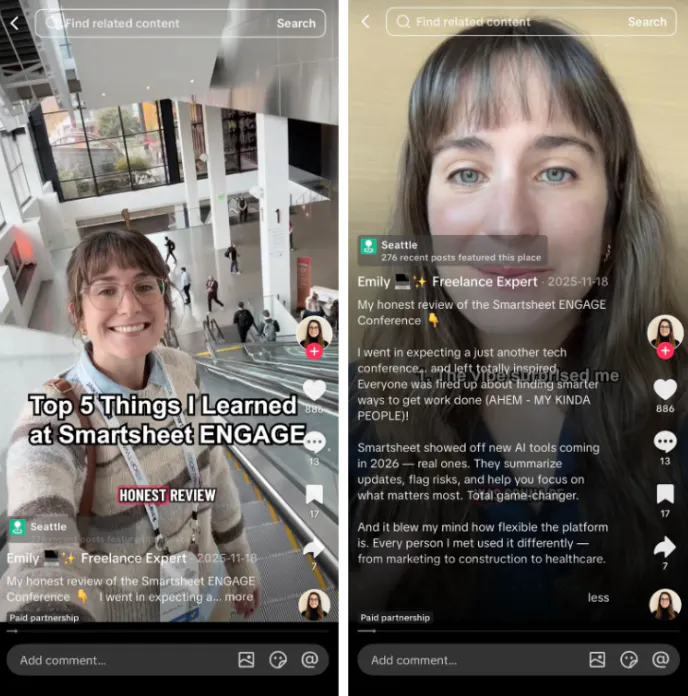
All hail the micro-influencer! A.K.A, the ultra-relevant social media guru who aligns perfectly with your brand, but who doesn’t have a gargantuan following. Because that’s the thing; recent research shows that it’s definitely not all about follower-count when it comes to working with influencers. On the flipside, micro-influencers can get much higher engagement rates than larger creators. This is because their audiences are usually more focused, which means recommendations feel more authentic and trustworthy.
A micro influencer is considered to have a following of 10,000 or less.
This is a pretty cool shift for event creators, who may not have the budget to work with big-name influencers. A local food creator, a niche fitness coach, or a well-known voice in your community can all help spread the word in a way that feels natural.
Partnerships are following a similar pattern. Organisers are teaming up with speakers, performers, venues, and complementary brands to expand their reach. Each partner brings their own audience, which helps build momentum across multiple channels at once.
How to get the most out of micro-influencers and partnerships
The best results come from partnerships that feel like a natural fit:
- Look for shared audiences: choose partners whose followers are likely to be interested in your event
- Keep it simple to share: provide clear details, visuals, and key messages they can use straight away
- Offer something worthwhile: free tickets, exclusive access, or a revenue share can encourage stronger promotion
- Work with multiple voices: a few well-matched partners can build more momentum than one large account
- Track performance: use discount codes or unique links to see what’s driving ticket sales
Content is being repurposed across multiple channels
One piece of content, many lives. Data shows that a large portion of marketers now prioritise repurposing content over constantly creating from scratch.
Repurposing lets you get far more value from the work you’ve already done – good news for time-poor! As, let’s be honest, creating fresh content for every single channel requires more hours than most event creators have in a day.
Everything from speaker announcements to behind-the-scenes moments, past event footage, and even your event description can be reshaped and shared in different formats across your channels.
A single idea can stretch further than you might expect. That same speaker announcement could become a short video, a carousel post, and a quick email update. You’re reinforcing the message in different places, which helps it stick.
Repeating key messages across platforms also helps your audience recognise and remember your event, rather than seeing disconnected pieces of content.
How to get the most out of content repurposing
Repurposing works best when you start thinking in formats, not just individual posts:
- Start with one strong idea: a speaker, announcement, or key message can fuel multiple pieces of content
- Adapt for each platform: tweak tone, format, and length rather than posting the exact same thing everywhere
- Reuse past event content: photos, videos, and testimonials from previous events are ready-made assets
- Batch your content: create multiple assets in one go to save time and stay consistent
- Repeat key messages: don’t worry about saying the same thing more than once, most people won’t see every post
We’ve covered repurposing content in our guide to using TikTok for event promotion too.
Brand and positioning matter more than ever
Today, there’s a growing expectation that brands are transparent around what they stand for. Which usually means cultivating a rich and meaningful set of values while operating from a place of authenticity and integrity. For example, recent research shows that 47% of marketers prioritise value-led content, while 82% of consumers prefer to buy from brands that reflect their own beliefs. For event creators, that connection can be the deciding factor between someone bookmarking your event or actually buying a ticket.
It’s likely you already have a set of values that are close to your heart, which may just need a little bit of gentle encouragement to come to the forefront. A festival might lean into sustainability or community impact. A comic con might focus on inclusivity. A local attraction or farm event might highlight heritage, education, or connection to place.
Whichever values feel natural for you, highlighting them alongside your event’s distinct personality can help you attract audiences who already feel aligned with your brand. In turn, making conversion feel far more natural.
How to get the most out of your brand and positioning
Strong positioning comes from showing what you stand for in consistent ways across your marketing:
- Share the “why” behind your event: talk about what motivated you to create it and what you want people to take away from the experience
- Make your values easy to spot: include them on your event page or website so visitors can quickly get a sense of what matters to you
- Use your content to express your perspective: social posts, emails, and updates can all reflect your tone, your opinions, and the things you care about
- Tell your story in your own words: features like interviews or customer stories give you space to go deeper and connect on a more human level
- Choose collaborators carefully: speakers, partners, and sponsors should feel like a natural extension of your brand rather than a mismatch
- Let consistency do the heavy lifting: when your visuals, messaging, and tone all align, your event becomes easier to recognise and trust
Hyper-personalised marketing is shaping how people choose events
Whether it’s a well-timed email, a relevant recommendation, or an ad that taps into a niche interest, audiences are becoming more responsive to marketing that feels specific to them.
And don’t be put off by the jargon! Hyper-personalisation is really just about using what you already know about your audience to shape how and when you show up. That could be past bookings, browsing behaviour, or the types of events someone has shown interest in before. As people become more used to tailored recommendations across platforms from Netflix to Spotify and beyond, this level of relevance starts to feel expected rather than a nice-to-have. For event creators, it means broad, one-size-fits-all promotion can quickly feel out of step, while messaging that reflects real interests is more likely to convert.
How to get the most out of hyper-personalised marketing
Taking a more personalised approach to your marketing helps you connect with the right people, in the right way, at the right time.
- Segment your audience where you can: group people based on things like past bookings, interests, or location so your messaging feels more tailored
- Adjust your messaging, not just your targeting: think about what different groups actually care about and reflect that in your copy, not just who sees it
- Use your existing data: booking history, email engagement, and past event behaviour can all guide how you shape your campaigns
- Personalise your emails: even simple touches like using names or referencing previous events can increase engagement
- Highlight the most relevant parts of your event: focus on the aspects that matter most to each audience segment rather than trying to say everything at once
- Test and refine over time: try different versions of messaging and see what resonates, then build on what works
Facebook is still a strong driver of ROI

Facebook’s ‘death’ has been prophesied for years. And yet the platform still proves itself to be a powerful marketing channel for many event organisers. Plenty of marketers continue to use it as part of their strategy and, when used effectively, it can deliver excellent results in terms of return on investment.
This is especially true for local and community-based events. Facebook Groups, Local Pages and event listings are still where many people hear about things happening near them, from comedy nights to craft markets and seasonal events.
Having an active Facebook Page gives you a place to share updates, post photos, answer questions and build familiarity with your audience. Creating a Facebook Event can also help with discoverability, reminders, and social proof when people see their friends marked as “interested” or “going”.
Paid Facebook ads can also be effective on a modest budget, especially when you target these by location or interests.
How to get the most out of Facebook marketing
A well-managed presence on Facebook can strengthen your promotion and build trust with potential attendees.
- Keep your page active: share regular updates, photos, and reminders so your event feels current and visible rather than something that appears once and disappears
- Make the most of your Facebook Event: keep details up to date and post regular updates. Respond to comments so your page feels alive and encourages engagement
- Tap into local and niche groups: share your event in relevant community spaces where people are already looking for things to do
- Use social proof to your advantage: encourage early interest so others can see who’s attending or engaging with your event
- Start small with paid ads: focus on location and interests to reach the right people without needing a large budget
- Be responsive and approachable: reply to questions and comments promptly to build confidence and show there’s a real person behind the event
🚀 Staying ahead with event marketing trends that drive ticket sales
Hot take: the most effective event marketing strategies are the ones you can sustain, not the ones with the biggest bells and whistles. Which means you don’t have to go big or go home (phew) when it comes to jumping on the latest marketing trends. Instead, focus on what fits your event, test as you go, and build momentum with each launch. And remember, you don’t need to do everything at once to see results.
When it comes to turning that interest into bookings, having the right tools in place helps (shameless self-promo coming up 😌). With Ticket Tailor, you can create seamless booking experiences, keep full control of your customer data, and benefit from transparent, low ticketing fees that support your growth.
Ready to put these event marketing trends into action? Sign up to Ticket Tailor and start selling tickets today ✨.