
Five sustainable event ideas from Blue Earth Summit to pinch for your next event
Want your next event to be more sustainable? At Blue Earth Summit 2026, the Ticket Tailor team came home with five ideas any Event Creator can pinch: powering up your attendees, better storytelling for your ticket buyers, making connection and community your superpower, small changes that add up, and choosing a better ticketing platform. Read on to find out more and how you can try them at your next event.
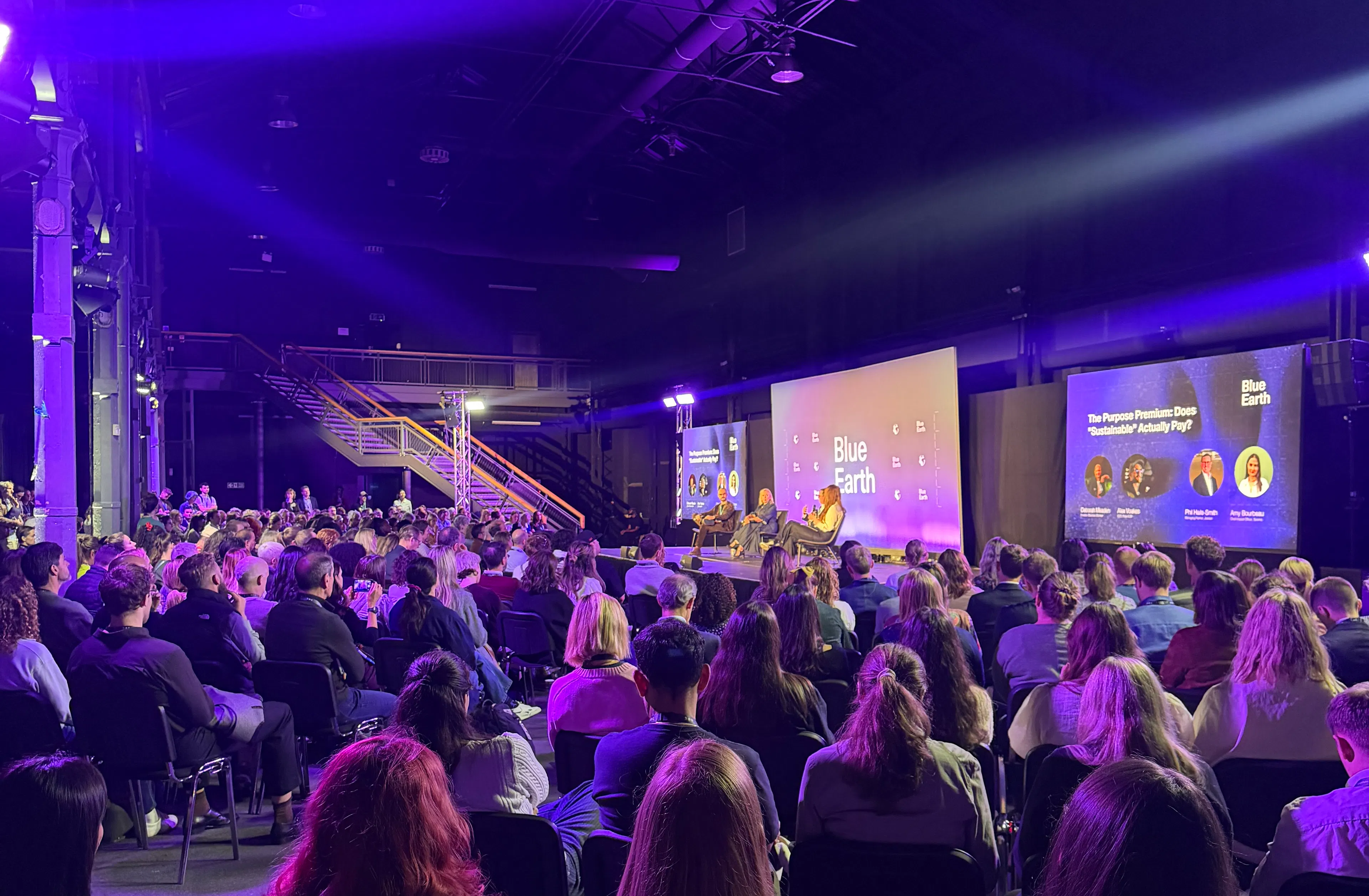
What does sustainability mean for events?
Sustainability has become less of a nice-to-have and more of an expectation. Take the festival industry. According to CGA by NIQ’s UK Festivals Report, 81% of festival-goers expect every festival they attend to tackle its environmental impact, and seven in ten say a festival’s sustainability efforts are an important factor when choosing which ones to go to. But when you're in the thick of event planning, how do you stop it slipping to the bottom of your to-do list? And what does sustainability even mean in the world of events?
Sustainability is a broad term. It covers everything from carbon emissions and protecting the environment to social responsibility, such as accessibility, all balanced with keeping your event financially viable. IMEX sums up the goal as cutting the negative impacts of an event, like carbon emissions, waste and pollution, while growing the positive ones, like accessibility, inclusion, local economic value and knowledge sharing.
The three pillars of event sustainability
Sustainable events are often described as balancing three pillars: planet, people and profit. Which can be a really helpful place to start.
Planet: looking after the environment
- Using less energy and water, from switching to LED lighting to offering water refill points
- Cutting waste by refusing what you don’t need, then reducing, reusing and recycling the rest, whether that’s printed flyers, single-use cups or plastic wristbands
- Lowering carbon emissions by making it easy for attendees to walk, cycle, share lifts or take public transport. Travel is usually the biggest source of emissions at events.
- Serving food and drink that’s local, seasonal and plant-based where possible
People: doing right by everyone involved
- Making your event accessible, safe and welcoming for every attendee, volunteer and member of staff
- Treating your team and suppliers fairly, and respecting the local culture and community where your event takes place
- Bringing people together and giving something back to your local area
Profit: keeping your event going for years to come
- Making smart choices that save money, like cutting waste you’d otherwise pay to remove
- Spending with local suppliers and small businesses, so more of your event’s value stays in the community
- Building a reputation people trust, so ticket buyers keep coming back
For more detail, the Events Industry Council's principles for sustainable events are well worth a read.
So what can you actually do about it?
Whether you're running a one-off community event, an annual festival for thousands or a tourist attraction welcoming visitors each season, the ideas below are a good place to start. Between them, they cover all three pillars. Don't feel like you have to do everything all at once, just choose a handful of meaningful (and achievable) changes.
What is Blue Earth Summit?
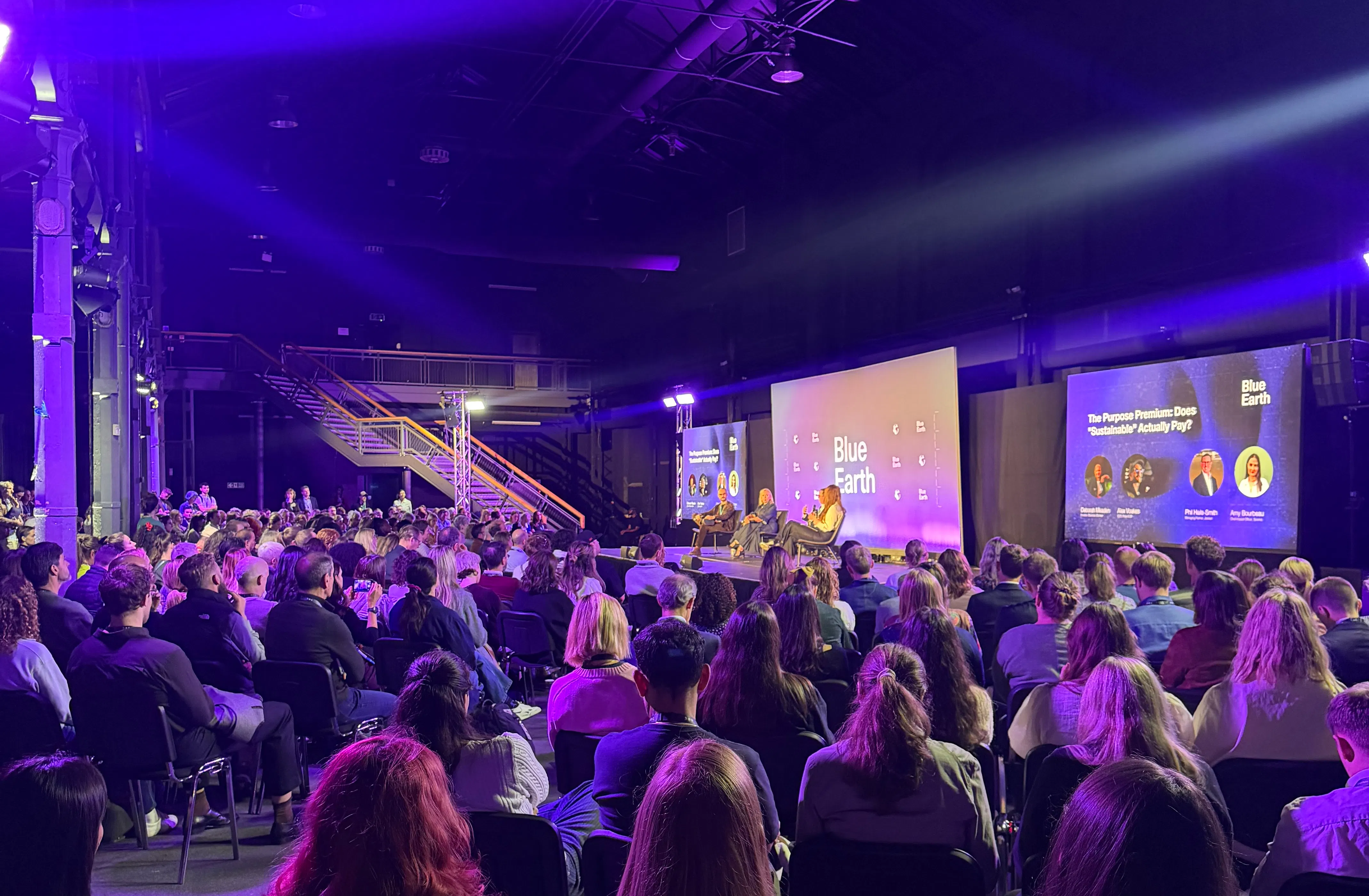
Blue Earth Summit is a yearly gathering in London for businesses, investors and change-makers working towards a better future for people and the planet. The organisers call it a festival for the future, and this year's sixth edition brought together more than 5,000 attendees, over 1,500 businesses and more than 340 speakers!
Five of the Ticket Tailor team spent three days there in October, and Ticket Tailor sponsored both the event itself and the B Corp UK 'B Social' which ran on the first night. Between the talks, workshops and conversations, the team kept noticing small details that made the event work. None of them need a big budget, and most take very little time to set up. Here are the ones worth pinching for your own events, whether you run a festival, workshop, or tourist attraction.
Watch our Instagram video to see Blue Earth Summit through our eyes.
The five ideas at a glance
- Power up your attendees. What to pinch: Charging stations and power bank rental.
- Storytelling for your ticket buyers. What to pinch: Marketing that puts the experience first, with your purpose alongside it.
- Make connection your superpower. What to pinch: Space and time for attendees to meet, mix and stay in touch.
- Small changes add up. What to pinch: Reusable cups, greener travel, local suppliers and visible food choices
- Choose a better ticketing platform. What to pinch: Digital tickets, phone-based check-in and tracking the carbon emissions of your ticket sales
1. Power up your attendees
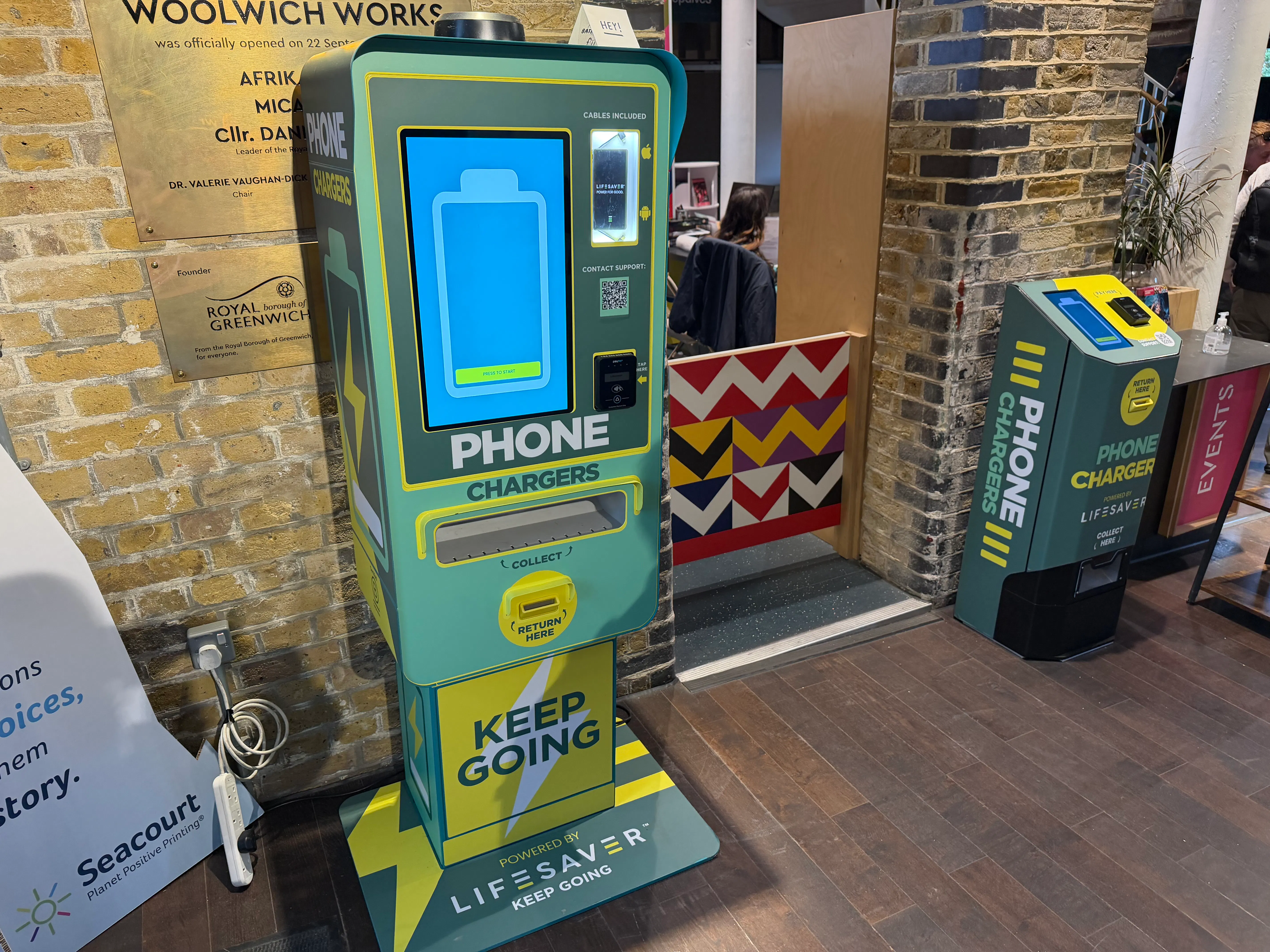
A phone charging station is one of the simplest ways to keep attendees happy and connected all day. There’s nothing more frustrating than your phone dying at an event when you need it to check the schedule, find your friends or take photos and videos to share on social media. It matters even more when tickets or event programmes live on phones!
You could set up a dedicated space where people can charge their devices, or bring in power bank rental machines, like the Lifesaver Power ones at Blue Earth Summit. They meant nobody had to choose between staying for the last session and keeping their phone alive for the journey home. And whether you’re running a festival in a field or a day out at a tourist attraction, a charging spot gives people a natural place to pause and chat.
How to pinch it:
- Set up a charging station with a mix of cable types near a seating or refreshment area
- For outdoor events, look into solar-powered charging or power bank hire
- Mention your charging station in your pre-event emails, so attendees know they can rely on it
2. Put your ticket buyers at the heart of your story
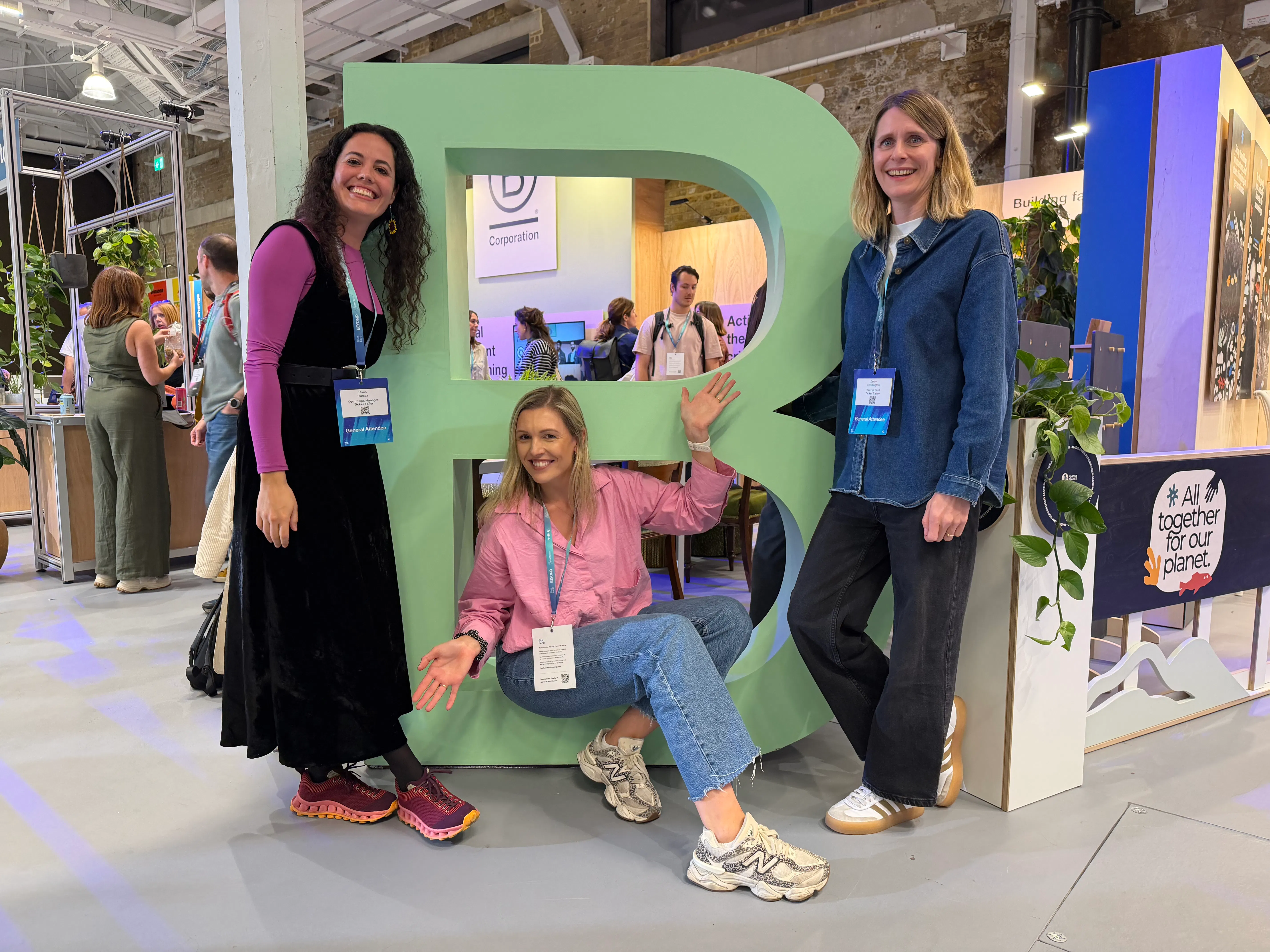
People buy tickets because an event sounds fun, relaxing or unmissable, not because it's sustainable. That was one of the clearest messages at Blue Earth Summit: doing the right thing won't sell on its own, so always link it back to what your ticket buyers get out of it.
One example came from Wildfarmed, a regenerative farming business. Nobody buys their bread because it's regenerative. They buy it because it's tasty and full of personality. So instead of leading with the farming, they made a short film about their bread and screened it in a cinema.
Chris Dooley, from JCDecaux also shared M&S's 'farm to foodhall' campaign. Each Ad showed the distance from that billboard to the farm where the ingredient features was sourced, as well as the distance to the nearest store, instead of talking about carbon savings. The message felt local and easy to act on.
The same goes for any event with a mission, whether it's a charity fundraiser, a sustainable festival or a community project. Your purpose still matters, but it works best alongside the reasons people will love your event:
- A farm running a pick-your-own event might lead with picking the freshest strawberries of the year, then mention that everything is grown without pesticides as the secondary message
- A yoga workshop might lead with an hour to switch off and reset, then mention it supports a local wellbeing charity
- A tourist attraction might lead with a great family day out, then mention how every visit helps protect the site for the future
How to pinch it:
- Ask yourself what your ticket buyers will see, taste, hear and feel, and lead with that on your event page and social posts
- Link your purpose to a clear benefit, such as "local food that's fresher and tastier"
- Tell a story instead of sharing stats, because people remember stories for much longer
- Tell attendees why your event exists and the impact it has, so they feel part of something bigger
3. Make connection your superpower
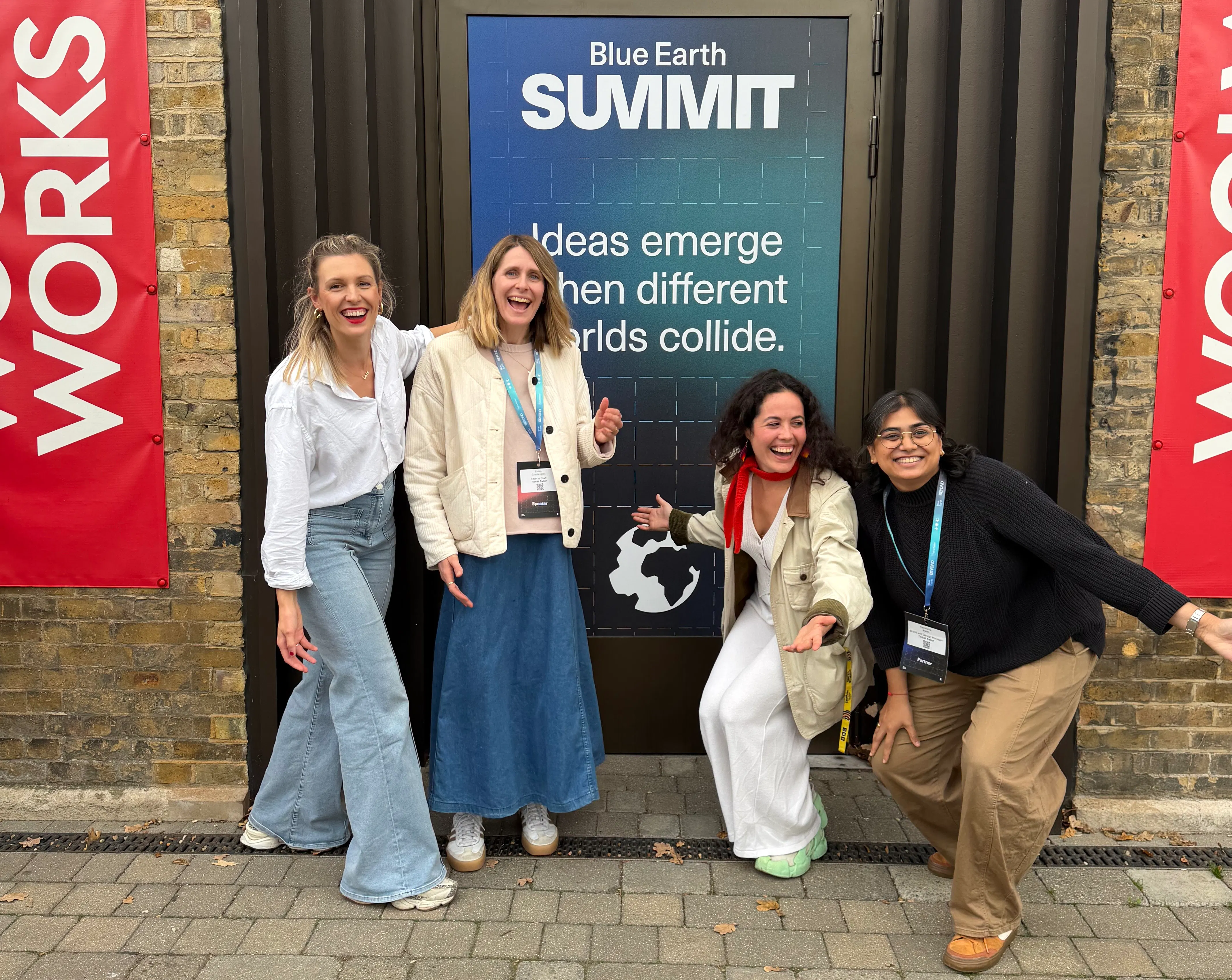
A sustainable event isn't just about the planet. It's about people too, and events that build real connection are the ones attendees come back to year after year.
One speaker described this as the "edge effect". In nature, the edge where two habitats meet is often the richest in wildlife. Events work the same way: the most interesting conversations happen when people from different backgrounds and communities bump into each other.
Speakers also talked about making events feel welcoming to everyone, not just the usual crowd. One example was a song built around birdsong, which reached younger people in a way a traditional bird-spotting walk never would. Mixing your theme with music, food or culture people already love can open your event up to whole new audiences.
How to pinch it:
- Create spaces for people to mix, such as a chill-out area at a festival or tea after a yoga class
- Make sure any social or networking moments are open to every attendee, not just one group
- Partner with an organiser from a different scene or community to reach new people
- Give attendees a way to stay in touch afterwards, such as a follow-up email or a community group, so they keep coming back
4. Small changes add up
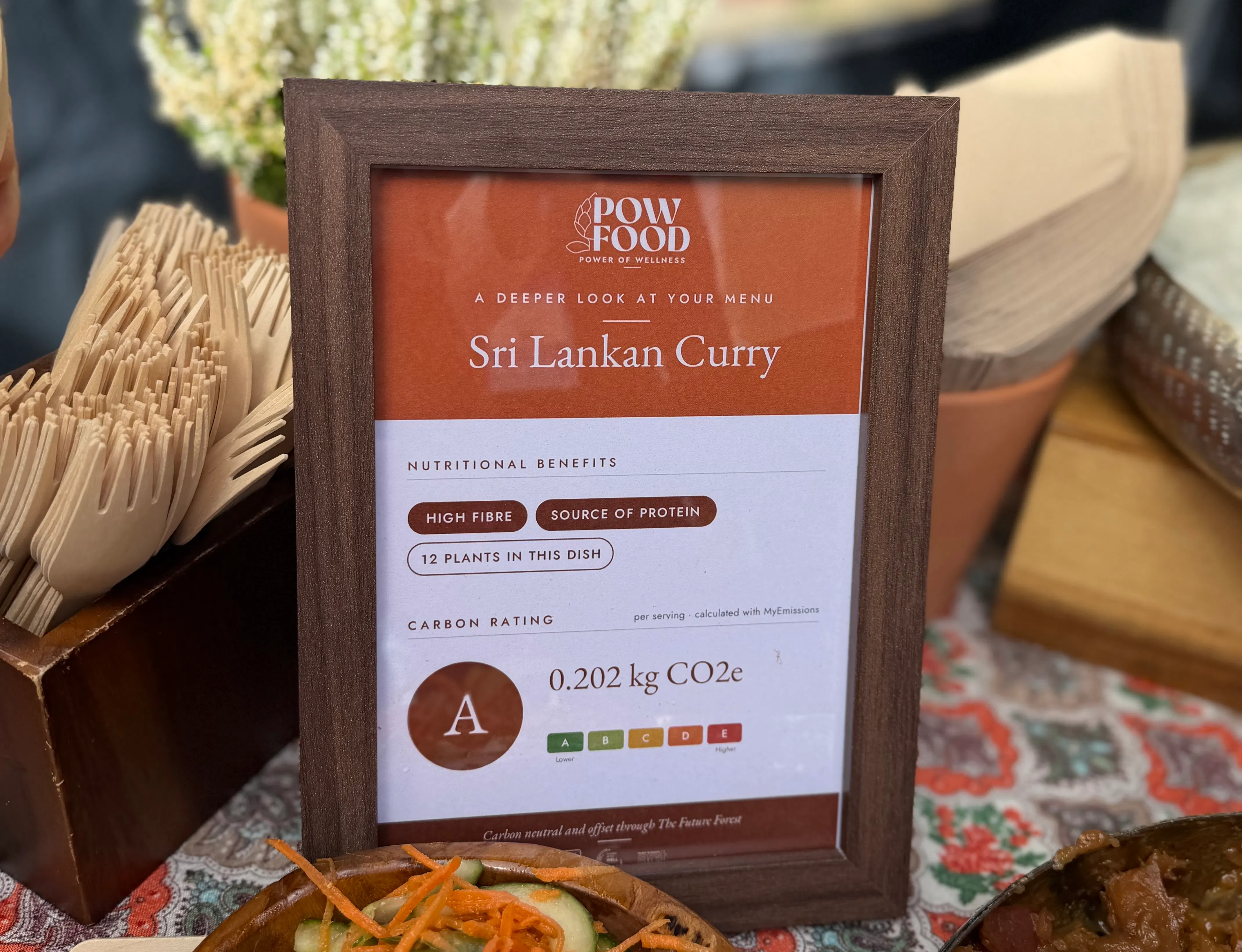
You don't need a big budget to run a more sustainable event, because small changes add up when they're multiplied across every attendee. Blue Earth Summit’s caterer, Pow Food, showed the carbon footprint of every option, from pho to burgers and curry, so people could compare dishes at a glance and choose for themselves. Drinks came in The Good Cup (reusable cups without lids), cutting down on single-use waste. And the venue, Woolwich Works, was accessible by public transport.
The best part is that none of these changes ask attendees to give anything up. They just make the more sustainable choice the easy one, whether you're serving food at a festival, running a cafe at a tourist attraction or selling produce at a farm open day.
How to pinch it:
- Label food and drink options with simple information, such as "locally sourced" or "plant-based"
- Swap single-use cups for reusable ones, or ask attendees to bring their own
- Set up water refill points, so attendees don't need to buy bottled water
- Work with local suppliers to cut down on travel and support your community
- Encourage attendees to walk, cycle or use public transport, for example by sharing travel tips in your pre-event emails
- Plan what happens to leftover food, such as donating it to a local food bank
Get more real-life event examples from the Event Creators behind Thorrington Theatre and Night and Day.
5. Choose a better ticketing platform
With so many ticketing platforms to choose from, it's worth understanding what you need before you commit. Otherwise, you could end up tied to a platform that can't offer what you need, or that doesn't share your values.
Your ticketing is also one of the easiest places to make a difference. That could be your provider's approach to carbon emissions, or the features that help you cut waste, from integrations with badge printers to a free check-in app that scans digital tickets, so attendees don't need to print them.
How to pinch it:
- Find out your ticketing provider's approach to carbon emissions, and whether they can share your emissions data with you if you plan to track it
- Look for credible certifications that show a provider is doing good, such as B Corp or 1% for the Planet
- Check which apps and integrations could help you cut waste, such as a check-in app for digital tickets
- Think about what you'll need as your event grows, so you don't have to switch platforms later
Psst… Ticket Tailor is a certified B Corp™ and carbon neutral. We measure our emissions every year and offset them through high-quality removals. Through Penny for the Planet, we donate 1p (1.3c) from every ticket sold to our charity partners. Every Event Creator can also see the carbon emissions of their ticket sales in the climate impact tracker in their Dashboard.
Why sustainable events start with bringing people together
If there was one thing everyone at Blue Earth Summit agreed on, it was that events are part of the solution. On our own, each of us can make a difference. But when people come together, share ideas and work towards the same goal, that's when real change happens.
That's true whether you're running a sell-out festival or a small workshop in your local community. Every event you run creates space for conversations, connections and collaborations that are hard to find anywhere else.


