Global celebrations calendar: Key cultural events around the world
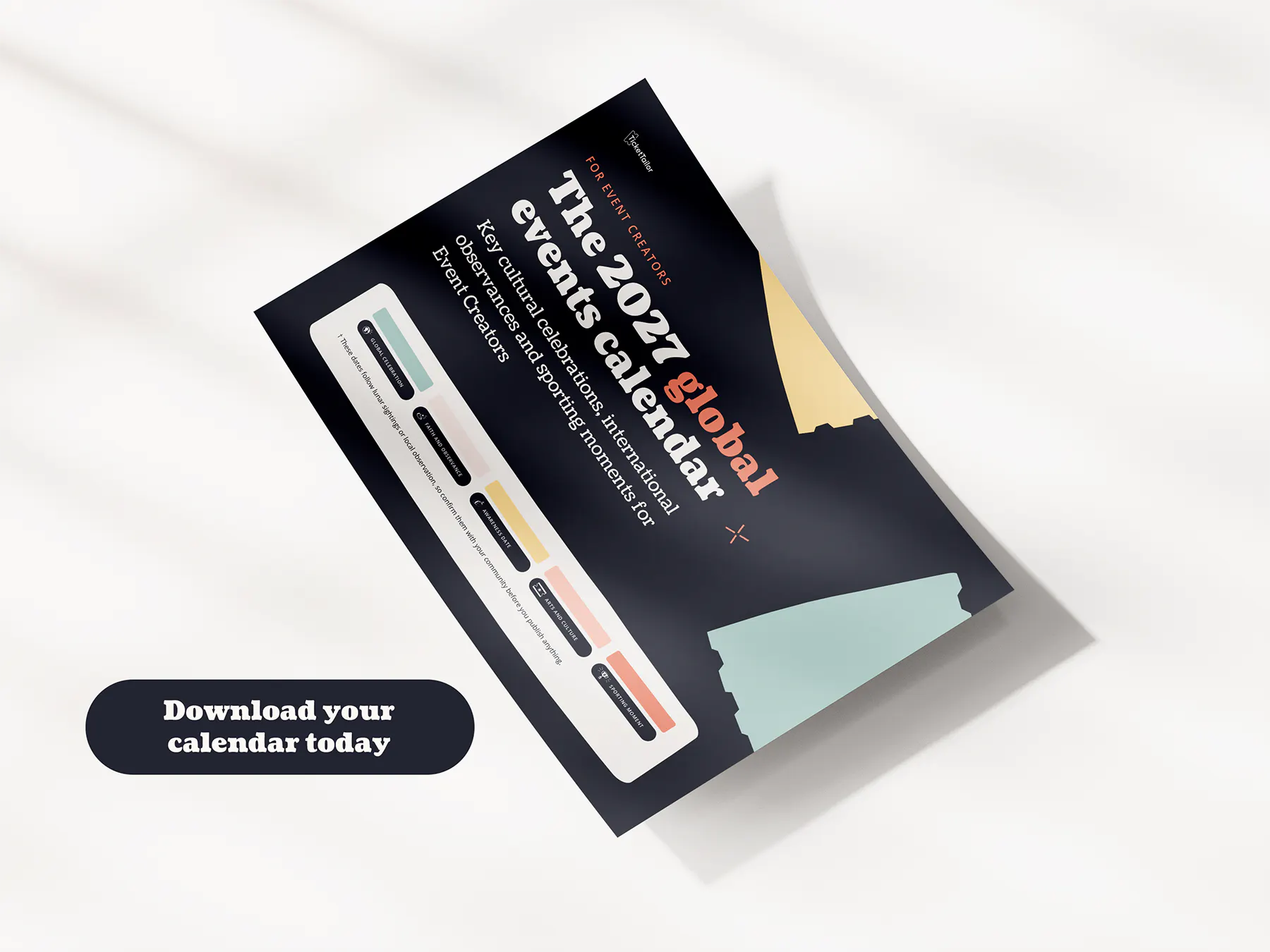
In this guide, we’re taking a trip around the world to explore some of the most inspiring, colourful and widely celebrated cultural events on the calendar. You’ll also find a free downloadable global events calendar to help you plan ahead and shape events that feel timely and full of life!
Nothing brings people together quite like an event built around a shared cultural moment. Whether it’s rooted in a local tradition or inspired by a celebration from the other side of the world, these occasions give communities a reason to connect and enjoy something meaningful.
In this guide, we’re taking a trip around the world to explore some of the most inspiring, colourful and widely celebrated cultural events on the calendar. You’ll also find a free downloadable global events calendar to help you plan ahead and shape events that feel timely and full of life! 💫
Download your 2027 Global Events Calendar
🌛January to March: New years, new seasons and fresh starts
Epiphany
6th January
Epiphany falls on the twelfth day after Christmas, and honours the visit of the Three Kings to baby Jesus in the manger. This celebration is focused around the revelation of God taking human form, and is steeped in traditions that vary between Christian communities across the globe.
Celebrations may include gifting sweet-filled stockings and small presents to children, singing traditional songs, attending religious services, and eating festive feasts with the family.
Lunar New Year
Between 21st January – 20th February
Lunar New Year (also known as Chinese New Year) is one of the most exciting and popular celebrations to take place among various communities around the world, including the Chinese, Vietnamese, Korean, and Malaysian.
Although China switched to the Gregorian calendar in 1912, for 3000 years before that the beginning of their new year fell in line with a lunisolar calendar. Today, celebrating this date is as important as ever, which usually involves two weeks of festivities, feasts, and rituals. In many cultures, each year is associated with an animal from the Zodiac. Celebrations normally culminate in a vibrant Lantern Festival on the 15th day of the first lunar month.
🏟️ Sporting moment: Super Bowl
Usually February
The Super Bowl is the annual championship game of the National Football League in the United States. Over many years, it’s grown into a major entertainment event, with watch parties built around the game, halftime show, food, and adverts.
For event creators, it can inspire screenings, themed menus, music events, and late-night hospitality! 🍻
Carnival season
Various dates, January to March
Carnival season brings an explosion of colour, music and celebration to streets around the world. Brazil may host the most famous festivities, but spectacular Carnivals also take place in Trinidad and Tobago, New Orleans, and Italy.
Each has its own history and traditions, shaped by the communities that celebrate it. Expect everything from samba and steelpan to masked balls, marching bands, dazzling costumes and huge street parades! 🎭🎉
Holi
Usually February or March
Holi is a joyful Hindu festival that welcomes spring and celebrates love and togetherness. Celebrated across India, Nepal and communities worldwide, it’s famous for music, dancing and rainbow clouds of vibrant coloured powder.
Lots of celebrations begin with Holika Dahan, when bonfires are lit to symbolise the triumph of good over evil. The following day, people gather to throw colour, share festive food and celebrate together. 🌈
👀Tip: Planning a Holi-inspired event? Use skin-safe, non-toxic powders and offer fun powder-free ways to join in.
Nowruz
Around 20th-21st March
Nowruz means ‘new day’ and marks the arrival of spring and the start of a new year for more than 300 million people. The ancient celebration is observed across Iran, Central Asia, the Caucasus and communities around the world.
Traditions vary, but often include spring cleaning, family visits, symbolic displays and tables filled with special food. With its themes of renewal and hospitality, Nowruz offers plenty of inspiration for a whole host of different events, from community feasts and craft workshops to storytelling and music events. 🌱
🌱 April to June: Renewal, reflection and community
Ramadan and Eid al-Fitr
Dates vary annually
Ramadan is a sacred month for Muslims around the world, centred around fasting, prayer, reflection and community. Many Muslims fast from dawn until sunset, before gathering with family and friends to break the fast with an evening meal known as iftar.
The month ends with Eid al-Fitr, a joyful celebration when communities come together in prayer and spend time with loved ones over festive food and gifts. Traditions vary so no two celebrations will look exactly the same. 🌙
Easter and Orthodox Easter
Various dates, March to May
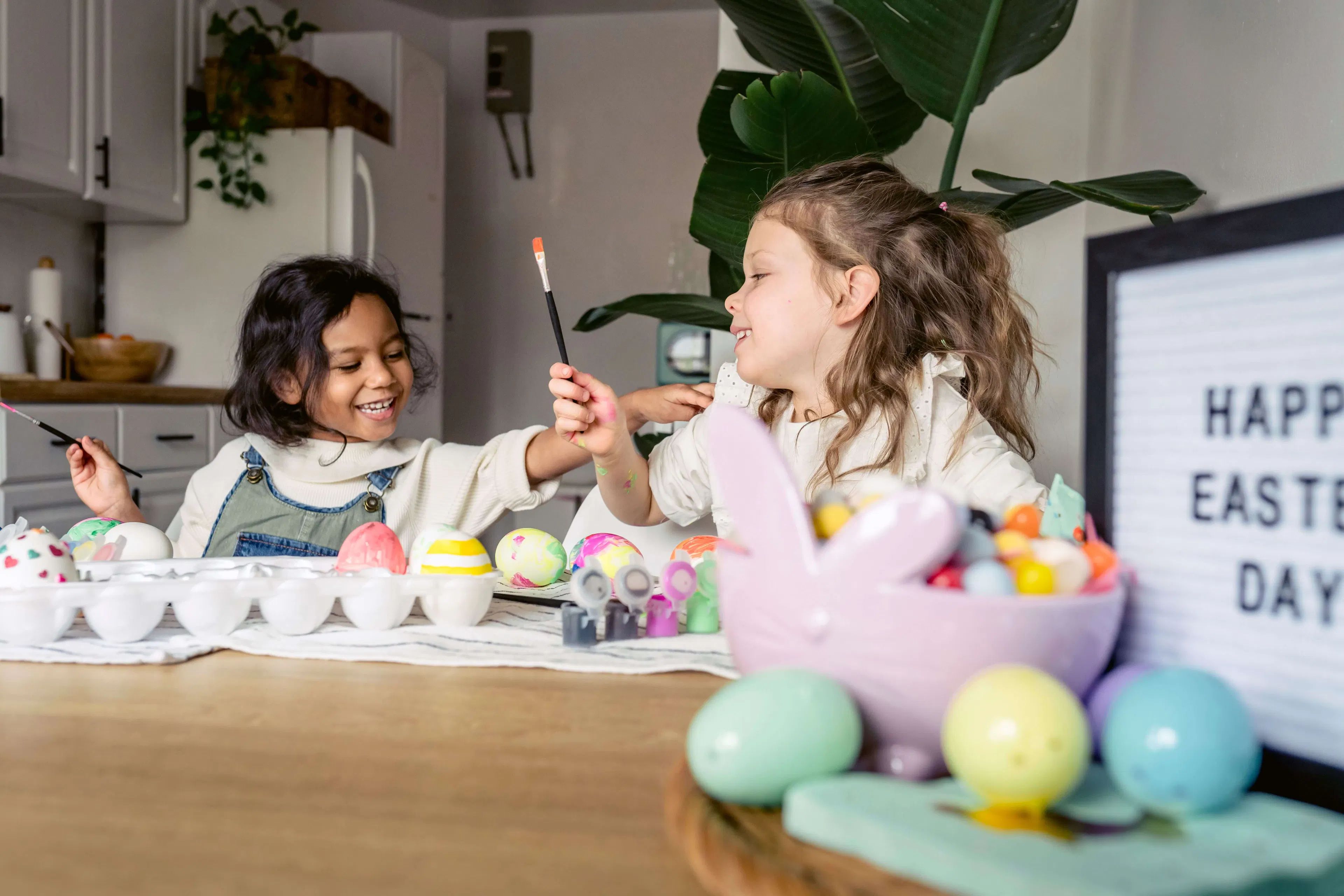
Easter is one of the most important celebrations in the Christian calendar, marking the resurrection of Jesus Christ. Traditions vary around the world, with celebrations ranging from church services and processions to family meals, egg hunts and seasonal crafts.
Many Orthodox Christian communities celebrate Easter on a different date, following a separate calendar and their own religious and cultural traditions. Together, these occasions can inspire everything from concerts and community feasts to family trails, workshops and springtime events. 🐣
Songkran
13th-15th April
Songkran marks Thailand’s traditional New Year and is best known for the huge water celebrations that take over streets across the country. Locals and visitors gather with buckets, hoses and water pistols for one of the world’s biggest and most joyful water fights! 💦
But the festival has a deeper meaning, too. Songkran is also a time for visiting family, cleaning homes, making offerings at temples and gently pouring water over elders’ hands as a sign of respect and good fortune for the year ahead.
Vesak
Usually April or May
Vesak is one of the most important dates in the Buddhist calendar, commemorating the birth, enlightenment and passing of the Buddha. It’s observed by Buddhist communities around the world, although the date and traditions can vary between countries.
Celebrations often centre around temple visits, lantern light and quiet reflection, with many people also choosing to support others through acts of kindness.
Dragon Boat Festival, China
Between late May to late June
This traditional Chinese holiday happens annually on the fifth day of the fifth month of the Chinese calendar. Celebrated for over 2000 years, the vibrant celebration centres around epic dragon boat races, using beautifully decorated boats between 40 to 100 feet long. In 2009, the holiday was added to the UNESCO World Intangible Cultural Heritage list!
Pride, Global
The month of June
Pride dates back to 1970, when the first ever Pride marches took place on 28th June in the USA, one year after the Stonewall Uprising. Fast-forward to today, and Pride events take place around the globe, celebrating the LGBTQ+ community, and spreading messages of peace, love and acceptance. Parades usually involve a technicolour amalgamation of floats, costumes, rainbow decorations and music 🌈 🫶.
Juneteenth
19th June
Juneteenth commemorates 19th June 1865, when Union troops arrived in Galveston, Texas, and announced that enslaved people in the state were free. Today, it’s recognised across the United States as a celebration of freedom, Black history, culture and achievement.
Events range from parades and festivals to exhibitions, talks and community gatherings. Food and education also play an important role in celebrations across the country. ❤️💛💚
👀Tip: Planning a Juneteenth event? Centre Black voices, artists and organisations from the start. Working with local communities will help make sure the event reflects the history and meaning of the day.
Midsummer, Scandinavia
Various dates, June
Summer solstice is celebrated with official holidays in both Sweden and Finland, where people come together to enjoy festivities that are steeped in tradition. The Midsummer celebration dates back many hundreds of years, with pagan themes that involve collecting flowers, banishing evil spirits, and promoting good fortune and healing. Today, celebrations often centre around these same traditions – with participants also enjoying beer, schnapps and traditional Scandinavian food.
Feast of Sant Joan, Barcelona
23rd-24th June
Each summer solstice the streets of Barcelona come alive. Celebrations begin on the 23rd June, and a feast of epic proportions takes place on the 24th. The night in-between, the night of San Joan, comes alight with bonfires and fireworks. The idea is that from this night on, the sun (a sign of fertility and wealth) begins to drop after reaching its highest point. So it must be given strength from the fires, fireworks and celebrations that take over the streets of Barcelona!
🏟️ Sporting moment: Wimbledon
Late June to July
Wimbledon is one of tennis’s biggest annual tournaments and a major fixture in the British summer calendar.
The iconic sporting event gives event creators an easy way to tap into the excitement of the British summer (strawberries and cream, anyone?) and bring people together around the action.
🌞 July to September: Heritage, harvest and togetherness
Matariki
Various dates, June or July
Matariki marks the Māori New Year in Aotearoa New Zealand, beginning when the Matariki star cluster rises in the midwinter sky. It’s a time to remember those who have passed, to celebrate the present and look ahead with hope.
Families and communities gather to share kai and reflect on the year gone by. With its themes of connection, gratitude and fresh beginnings, Matariki can inspire a range of events centring around shared feasts and storytelling. ✨
Independence Day, United States
4th July
Independence Day (also often simply called the Fourth of July) celebrates the United States’ declaration of independence which took place on 4th July 1776. Today, celebrations usually revolve around family barbeques and picnics, colourful parades and, of course, brilliant fireworks displays! 🎆
NAIDOC Week
Various dates, July
NAIDOC Week celebrates the history, cultures and achievements of Aboriginal and Torres Strait Islander peoples across Australia. The week comes alive through performances, exhibitions, awards, workshops and community events.
It’s a chance to truly engage with and celebrate the world’s oldest continuing cultures. Events should be led by, or developed closely with, Aboriginal and Torres Strait Islander people and organisations from the very start. 🖤💛❤️
🏟️ Sporting moment: Tour de France
July
The Tour de France is one of the world’s best-known cycling races, taking place across several weeks each summer.
Event creators can tap into it with stage screenings, community rides, cycling challenges, or French-themed food and drink. (Yes please! 🍷😌)
Bastille Day, France
14th July
For over a hundred years, the French have commemorated the storming of the Bastille on 14th July 1789. English speaking countries refer to this event as Bastille Day, but in France it’s referred to as Fête Nationale Française – or the National Day of France. Today, the date is commemorated with lively celebrations as well as a spectacular military parade on the Champs-Élysées in Paris.
Sumidagawa Fireworks Festival, Tokyo
Last Saturday of July
The Sumidagawa Fireworks Festival sees one of Japan’s most famous fireworks displays erupt in the sky over the Sumida River. The event takes place on the last Saturday of every July, where the country's best pyrotechnical teams compete with each other to see who can create the most incredible fireworks displays, drawing in crowds of epic proportions!
Edinburgh Fringe, Scotland
Three weeks in August
Edinburgh Fringe is the world’s largest arts festival, and sees around 50,000 performances take place across 300 Edinburgh venues each year. Featuring everything from comedians to circus acts, cabarets to art exhibitions – this exciting celebration of art and culture truly brings the city to life for around three full weeks every August.
The event dates back to 1947, when eight theatre groups turned up at the Edinburgh International Festival, despite being uninvited. Needless to say, the lack of an invite didn’t stop them – they simply performed on the ‘fringes’ of the festival, hence the name today!
Yi Torch Festival, China
August
Each August, the Yunnan province of China sees the streets light up (literally) with one of China’s grandest celebrations. Families across the region light torches to illuminate the corners of their homes, and to walk around the fields with. And larger torches are lit across city centres, too; it’s thought to ward off bad luck for the community. As well as the key event of lighting the torch, the festival also involves lots of fun activities, like wrestling, horse racing, and contests.
Krishna Janmashtami, India
11th August
This annual Hindu festival celebrates the birth of Krishna; the eighth avatar of Vishnu. The two-part event is one of the biggest and most historical holidays in India. One of its key rituals involves devotees building swings inside their homes on which to place idols of the gods. These are then bathed in milk, honey, and jewellery. Devotees also observe a day-long fast before coming together for a delicious feast!
Obon
Various dates, July or August
Obon is a Japanese Buddhist tradition honouring ancestors and welcoming their spirits home. Many people travel back to their hometowns, visit family and pay their respects at graves and household altars.
Celebrations may include glowing lanterns, storytelling and Bon Odori, a joyful community dance performed at festivals across Japan. Dates and customs differ between regions, giving each local celebration its own character. 🏮
La Tomatina, Spain
Last Wednesday of August
When it comes to summer traditions and celebrations, it doesn’t get much more bizarre than Spain's La Tomatina. On the last Wednesday of every August, around 20,000 people from around the globe come together in the town of Buñol for what’s thought to be the world’s biggest food fight. Only tomatoes are thrown – but lots of them. About 120 metric tons, in fact! In the run-up to the food fight, a week-long celebration takes place, involving fun parades and plenty of delicious paella.
(Don’t worry… the tomatoes used are extremely ripe and soft, so there’s no risk of serious injury!)
Onam
Various dates, August or September
Onam is Kerala’s major harvest celebration, filling ten days with flowers, feasting, music, dancing and a brilliant sense of community. It also marks the legendary return of King Mahabali, who is believed to visit Kerala during the festival.
Intricate floral displays called pookalams brighten homes and public spaces, while families gather for an elaborate vegetarian feast known as Onam Sadya. Supper clubs, flower workshops, performances and family activities could all take inspiration from the festivities. 🌼
Mid-Autumn Festival and Chuseok
Various dates, September or October
The Mid-Autumn Festival and Chuseok fall on the 15th day of the eighth lunar month, so their Gregorian dates change each year. Although both celebrate harvest and togetherness, they have their own histories and traditions.
Mid-Autumn Festival is celebrated across China and other communities with lanterns, moon-viewing, family gatherings and delicious mooncakes. In Korea, Chuseok brings families together to honour their ancestors and share traditional foods, including half-moon-shaped songpyeon rice cakes.
Their food, crafts and stories offer wonderful event inspiration. Just make sure each celebration is explored on its own terms, rather than blending separate traditions together.
🕯️ October to December: Light, remembrance and celebration
Navratri and Durga Puja
Various dates, September or October
Navratri is a nine-night Hindu festival celebrating the divine feminine, with traditions that look different across India and communities worldwide. Many festivities feature colourful dress, music and energetic garba or dandiya dancing.
Durga Puja is especially significant to Bengali communities and celebrates the goddess Durga’s victory over evil. Elaborate temporary structures called pandals become spaces for worship, art, food and gathering, before the festival ends with lively processions.
Both celebrations offer rich inspiration for dance events, performances and community feasts. Working with Hindu and Bengali communities will help creators understand their different meanings and celebrate them thoughtfully. 🙏
Diwali
Between October and November annually
Diwali is one of the biggest cultural events of the year in India, particularly for Hindus. However, it’s also celebrated across faiths, with over a billion people taking part in festivities each year.
Diwali is all about celebrating the triumph of light over darkness, and knowledge over ignorance. Participants adorn their streets with beautiful lanterns, exchange special gifts, and enjoy feasts of traditional food. There are many rituals and traditions associated with the festival, too – from buying gold to bring good luck, to taking warm oil baths to symbolise physical and spiritual purification.
👀Tip: Planning a cultural festival this winter? Take the stress out of event registration with easy-peasy, low-cost festival ticketing.
Día de los Muertos
1st-2nd November
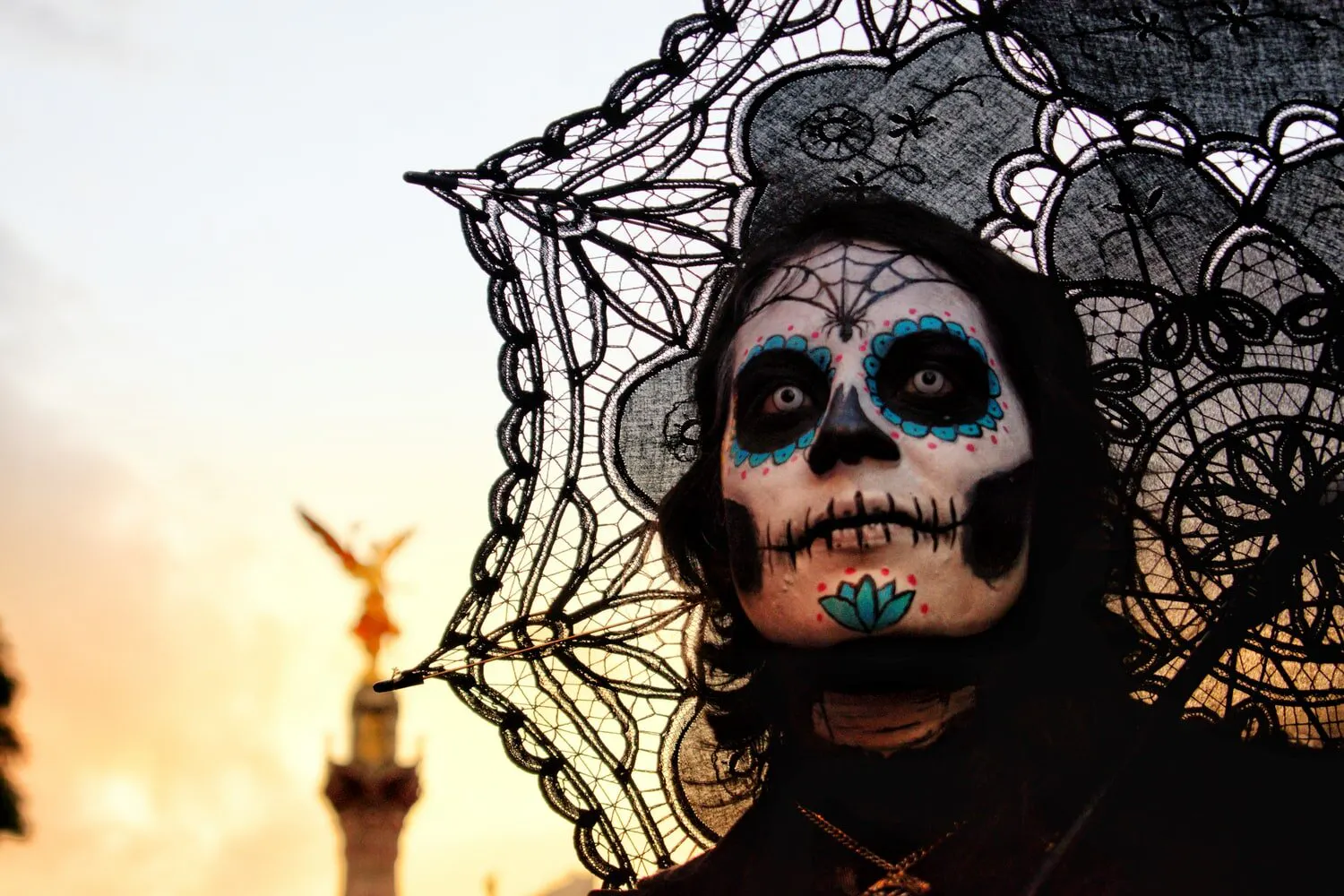
Día de los Muertos, or Day of the Dead, is a Mexican tradition for remembering and celebrating loved ones who have passed away. Despite its place in the calendar, it’s a separate cultural celebration from Halloween.
Families create beautiful altars called ofrendas, decorated with photographs, candles, marigolds, treasured objects and favourite foods. Many also visit cemeteries, share stories and come together through music, art and food. 💀🌼
Thanksgiving, United States
Fourth Thursday in November
Thanksgiving is one of the biggest annual holidays in the United States, bringing families and friends together to share a meal and reflect on what they’re grateful for. Today, the celebration often revolves around a generous feast, with parades and American football filling much of the day.
The history behind Thanksgiving is more complex than the familiar story of a harmonious harvest meal. For many Native Americans, the date is also a time to reflect on colonisation and its continuing impact.
👀Tip: Planning a Thanksgiving event? Avoid costumes, crafts or themes that reduce Native cultures to stereotypes. Working with Native-led speakers, artists and organisations can help bring important perspectives to your programme.
Saint Lucy’s Day
13th December
Saint Lucy’s Day is a Scandinavian holiday that focuses on celebrating the light during the long and dark winter months. It’s celebrated around the winter solstice – a time where some Scandinavian regions only get a few hours of daylight a day.
As a Christian holiday, the observance commemorates Lucia of Syracuse, a virgin martyr of the early-fourth-century, known as the Queen of Light. Today, local festivals are held all around Scandinavia, which usually involve a procession of women being led by one girl, with each participant holding candles and singing songs. The joyful holiday is also celebrated in countries such as Italy, Estonia, Croatia and the United States.
Dongzhi Festival
Around 21st-23rd December
This Chinese winter festival dates back over 2000 years to the period of the Han Dynasty. It began with the discovery of the winter solstice, when, using sundials, the Chinese realised that the days after a certain point in winter started to become longer and lighter.
Today, the Dongzhi Festival is still very much about marking the winter solstice. Celebrations usually involve families coming together to enjoy indulgent, hearty food, eating whatever the traditional fare is in their particular region of China.
Christmas
25th December
Christmas marks the birth of Jesus Christ, and is one of the biggest annual observances for Christian communities around the globe. However, secular communities also enjoy Christmas festivities, traditions, and often time off work (hence why Christmas is often referred to as ‘The Holidays’).
Traditions observed at this time of year include everything from decorating Christmas trees, opening advent calendars, attending religious services, visiting Santa’s Grottos, gift giving, and snuggling up to watch Christmas movies. Not forgetting feasting on delicious foods – in some cultures, it's traditional to enjoy the ‘main feast’ and gift giving on the 24th December, while in others this takes place on the 25th.
👀 Tip: Learn how Ticket Tailor can help your seasonal events go off in style with low-cost, stress-free festive event ticketing >
Hanukkah
25th December – 2nd January
The Jewish festival of Hanukkah, or ‘Chanukah’ in Hebrew, is an eight-day festival of light. It celebrates one of the most miraculous events in Jewish history – when Jews won in a battle against Greece, and were therefore able to practise their religion freely.
Fast-forwarding around 2000 years to today, Hanukkah is celebrated each year with nightly menorah lighting (the lighting of a candle to symbolise each day of the holiday) and feasts of traditional food.
Kwanzaa
26th December – 1st January
Kwanzaa is a beautiful, secular celebration of African and African-American culture that takes place across a week each December. It was created in 1966 by Maulana Karenga, an activist and university professor in the USA, who wanted to find a way to affirm and celebrate African family and social values.
Each of the seven days of the celebration is dedicated to one of the principles of Kwanzaa, and a community feast is usually held on the sixth day (31st December), called the karamu.
Stress-free ticketing for ultra-smooth cultural events
Bringing a cultural event to life takes plenty of time and energy already. Which is why it’s good news that Ticket Tailor keeps ticketing simple, with the lowest fees in the market, free ticketing for free events and loads of handy features that save you time behind the scenes.
You’ll also get round-the-clock customer support and plenty of box office customisation, so your ticketing can look and feel like part of the event. That means less admin, fewer headaches and more time to focus on creating something your community will love.