From ticket sales to nature restoration: The story of Penny for the Planet
Since 2021, Ticket Tailor has donated 1p per ticket sold to environmental causes. Here’s how Penny for the Planet began and what our charity partners do.
In 2021, we launched Penny for the Planet and started donating 1p for every ticket sold through Ticket Tailor to environmental causes.
Since then, our partnerships have connected us with work protecting tropical rainforests, underwater meadows and peatlands, as well as rewilding projects here in the UK.
Along the way, we’ve discovered a lot about how nature can help tackle the climate crisis. We’ve also met some brilliant people working to protect and restore it.
Here’s how Penny for the Planet began, what our charity partners have taught us and why we love getting closer to the projects they’re working on.
Looking for the numbers? Read our charity donations roundup to see how much Penny for the Planet has raised and where the money has gone.
Where Penny for the Planet began
When we decided to make environmental causes a focus for our giving in 2021, there was plenty to think about.
We’re a global business, with Event Creators and ticket buyers all over the world. The climate crisis affects every country and community, so supporting environmental work felt like a natural place to focus our efforts.
We set up an internal committee to dig deeper into where our donations could be useful. This research led us towards organisations working to protect and restore natural stores of carbon.
Our first three partnerships reflected three very different ecosystems. Cumbria Wildlife Trust was restoring peatlands, Ocean Conservation Trust was protecting seagrass, and Rainforest Foundation UK was helping communities protect tropical forests.
Heal Rewilding later joined the programme, adding large-scale nature recovery to the mix.
There’s an incredible amount to discover from each of these organisations. Our partnerships have helped us understand everything from community land rights to the surprisingly important lives of earthworms!
Protecting rainforests means supporting the people who live there
Our partnership with Rainforest Foundation UK has taught us a lot about the connection between rainforest protection and human rights.
Millions of people live in and rely on tropical rainforests for food, shelter, medicine and their livelihoods. Many Indigenous peoples and local communities have protected these landscapes for generations.
RFUK works with these communities to help them secure legal rights to their ancestral lands. Their work includes mapping territories, creating land-use plans and helping local people monitor forests and biodiversity.
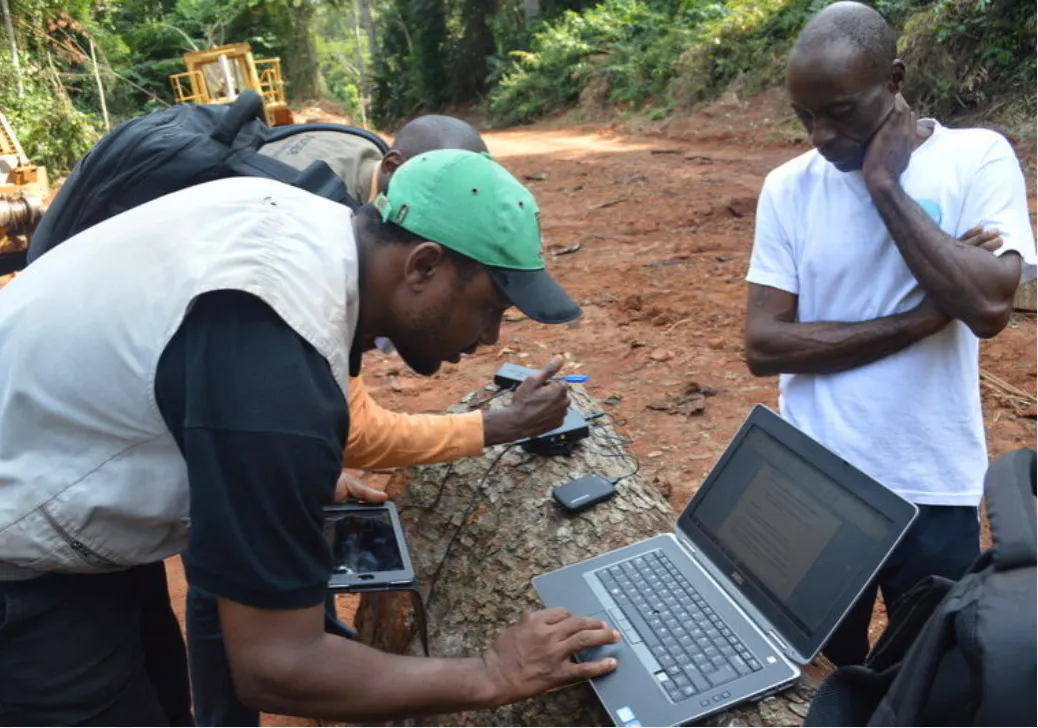
Technology has a fascinating role to play here. RFUK developed ForestLink, a system that lets communities record and report suspected illegal activity taking place within their forests.
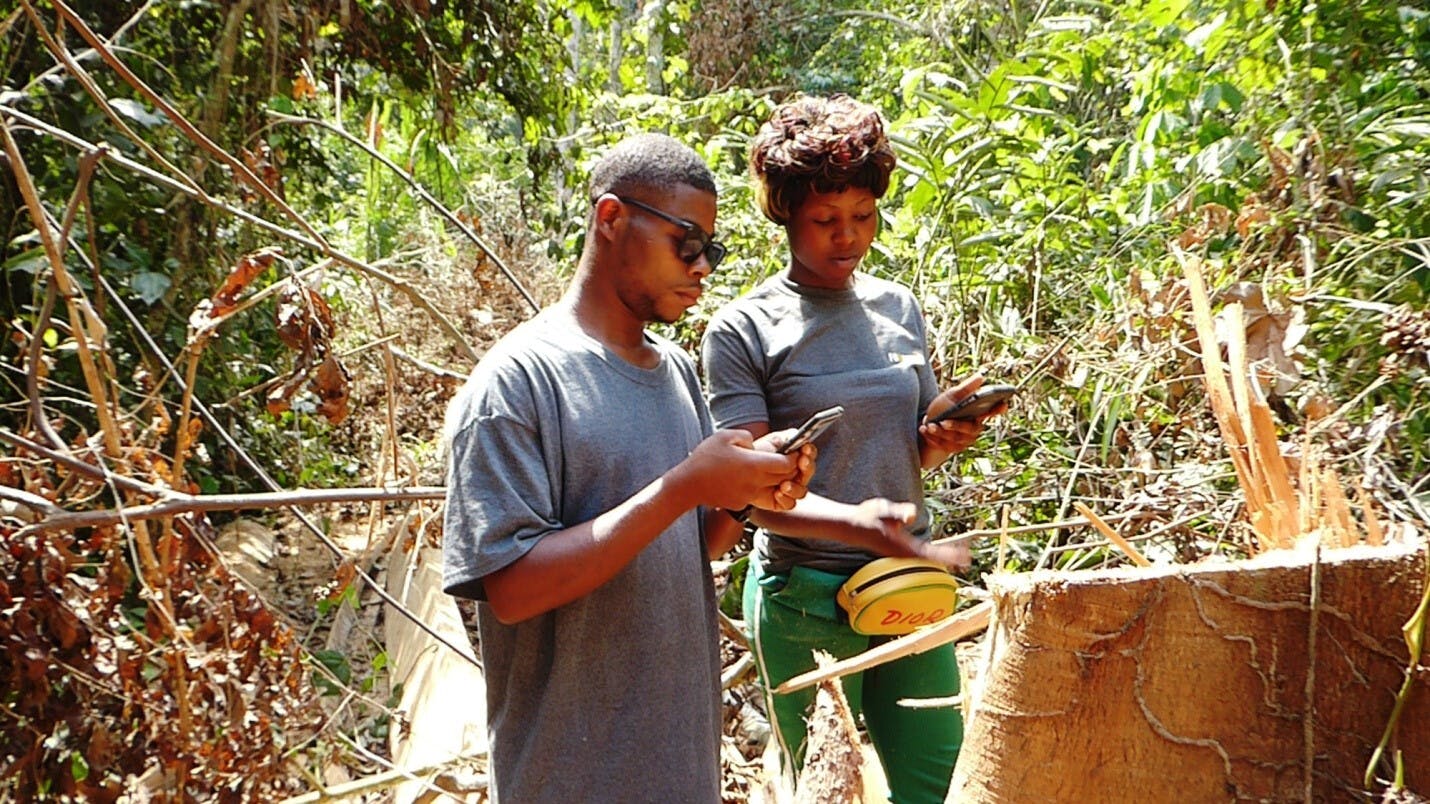
People can gather evidence of activities like illegal logging and mining using smartphones, including in places without mobile connectivity. Alerts can then be investigated and used to raise cases with the relevant authorities.
RFUK also uses community mapping to record where people live and how land is used. This can help communities secure formal recognition of land they’ve lived on and cared for over generations.
We loved discovering this side of rainforest protection. Supporting the people who already know these forests incredibly well gives them practical tools to continue looking after their local environment.
Getting to know the world of seagrass
We’ll admit it. Before partnering with Ocean Conservation Trust, we didn’t spend an enormous amount of time thinking about seagrass! But we soon discovered there’s a lot packed into these underwater meadows.
Seagrass provides habitats and nursery grounds for marine life, including fish and seahorses. It also helps protect coastlines from erosion and stores carbon within its leaves, roots and surrounding sediment.
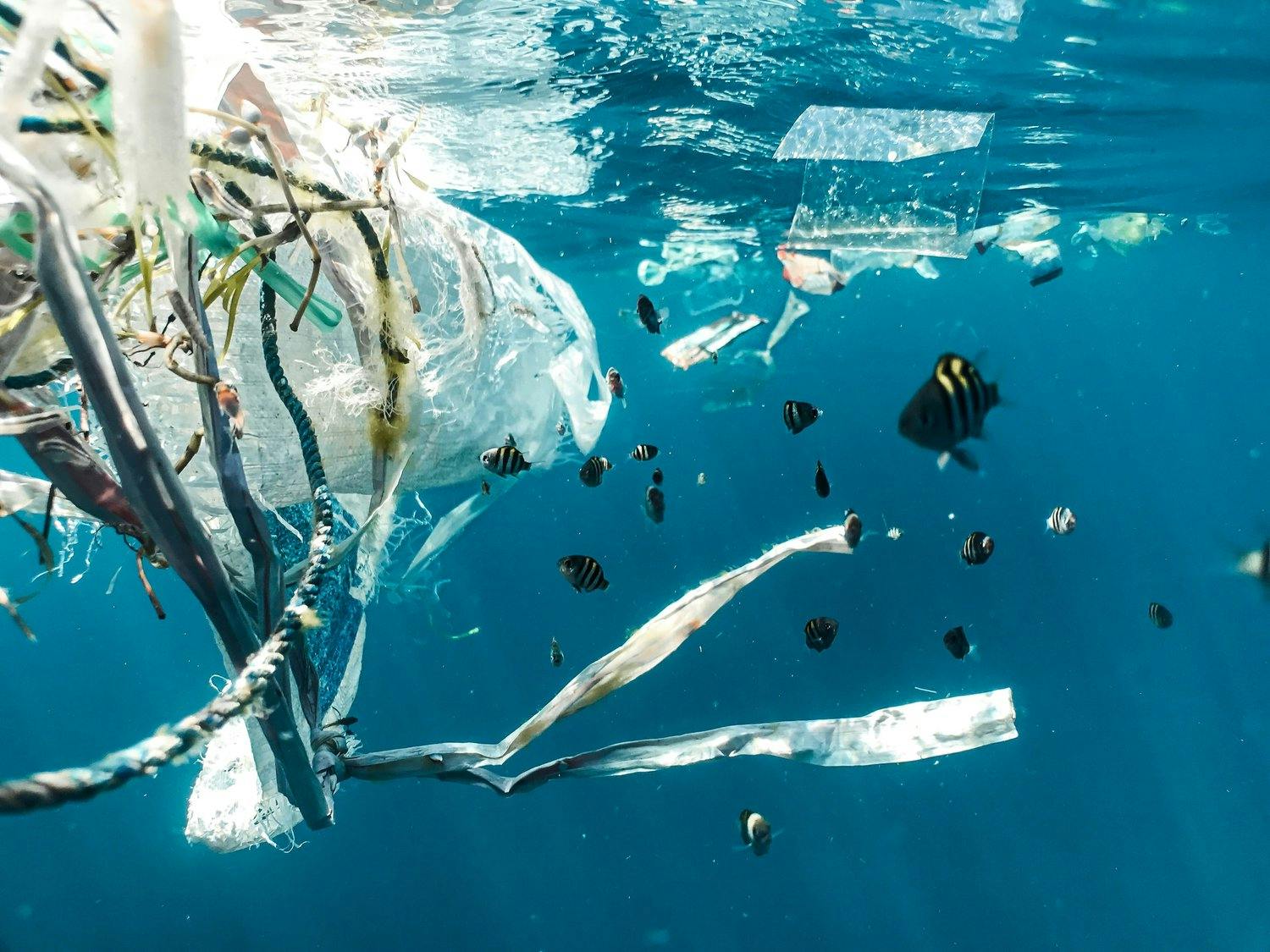
Ocean Conservation Trust’s Blue Meadows programme works to protect, regenerate and restore seagrass around the UK.
A key part of this work is helping people know where sensitive seagrass meadows are. Marker buoys can identify these areas, and specialist mooring systems let boats anchor without damaging the seabed.
Protection gives existing meadows a chance to recover and spread. Alongside this, the team is developing ways to restore seagrass at a larger scale. Impressive stuff!
Learning about Blue Meadows gave us a new appreciation for an ecosystem many of us had previously known very little about.
Getting a closer look in Plymouth
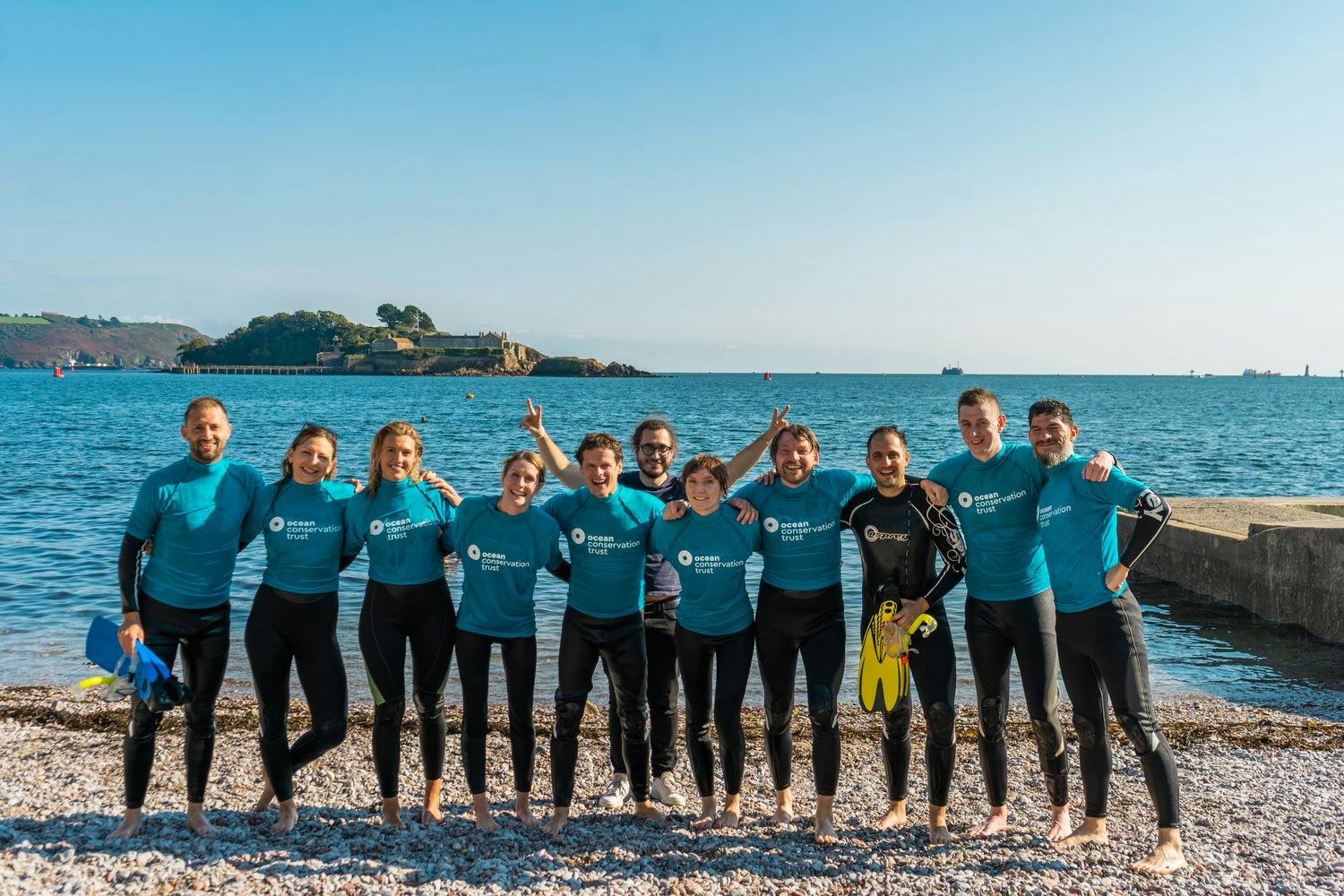
In 2022, a group from Ticket Tailor headed to Plymouth to spend a couple of days with the Ocean Conservation Trust team.
We started with a two-hour snorkelling safari around the coastline. Getting into the water gave us a much better sense of the wildlife and habitats sitting just off our shores.
The following day, we toured the National Marine Aquarium and learned more about Blue Meadows from the people working on the programme.
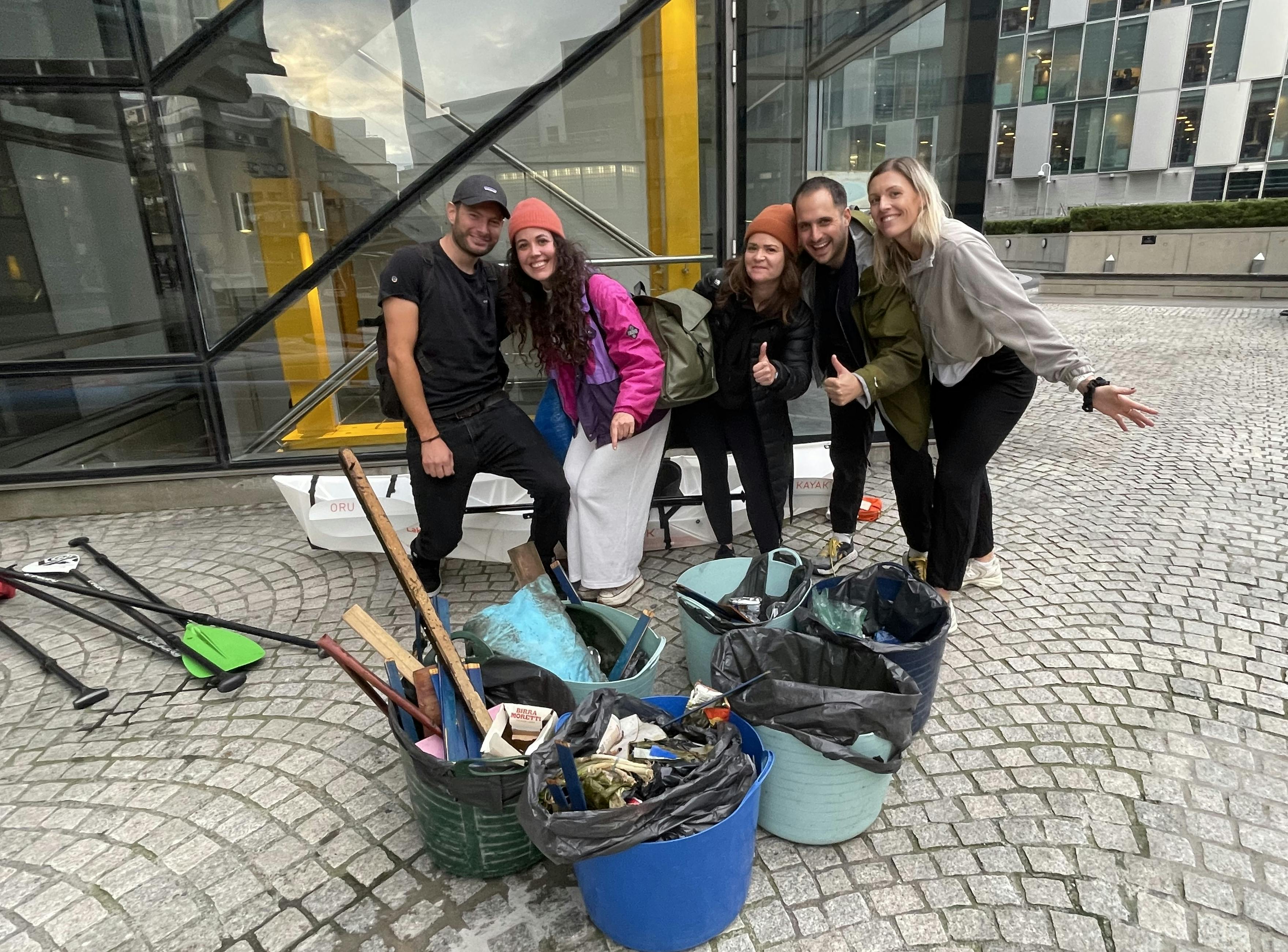
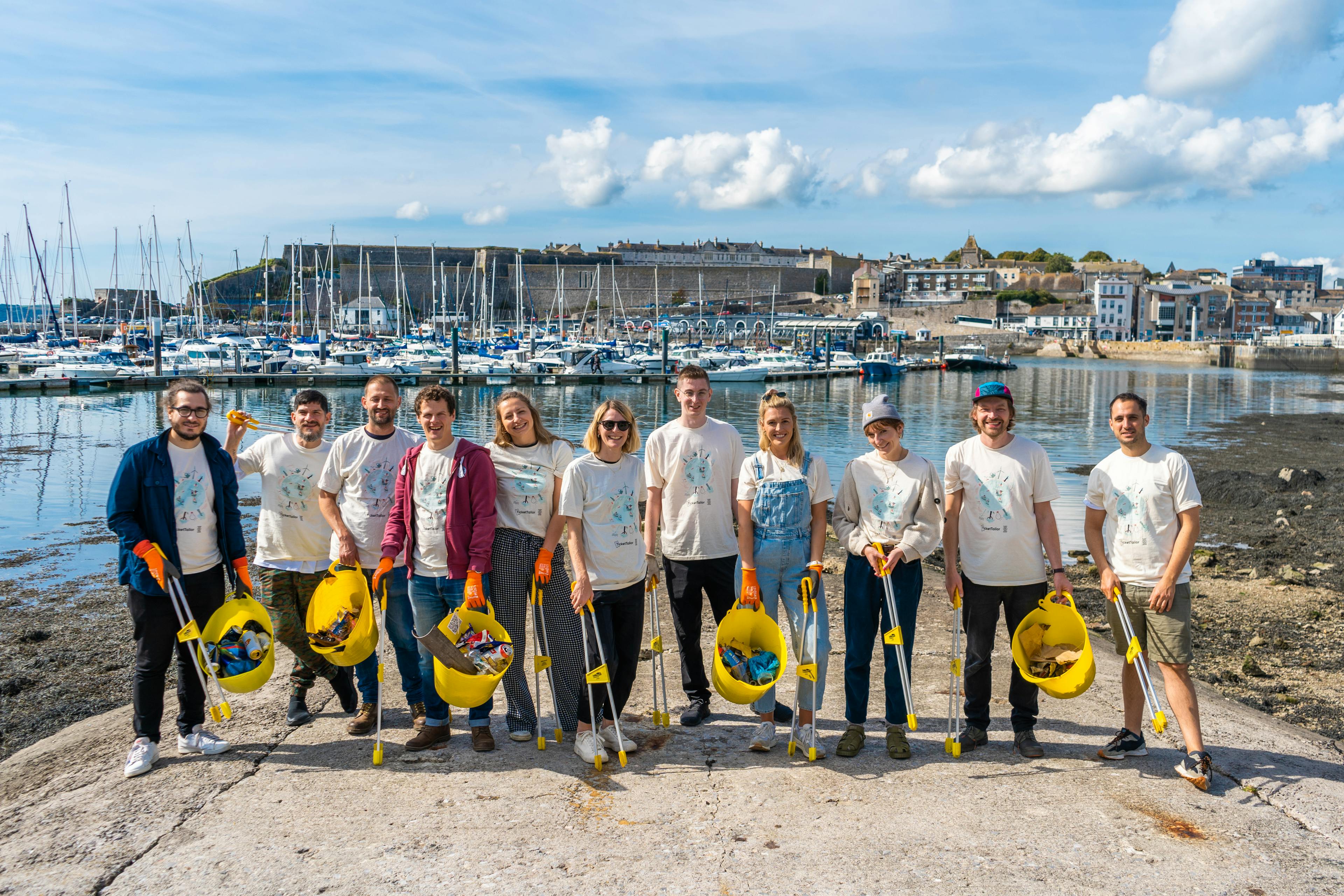
We also headed out for a beach clean. Between 12 of us, we collected 8.4kg of litter in an hour, including 2.9kg of plastic waste!
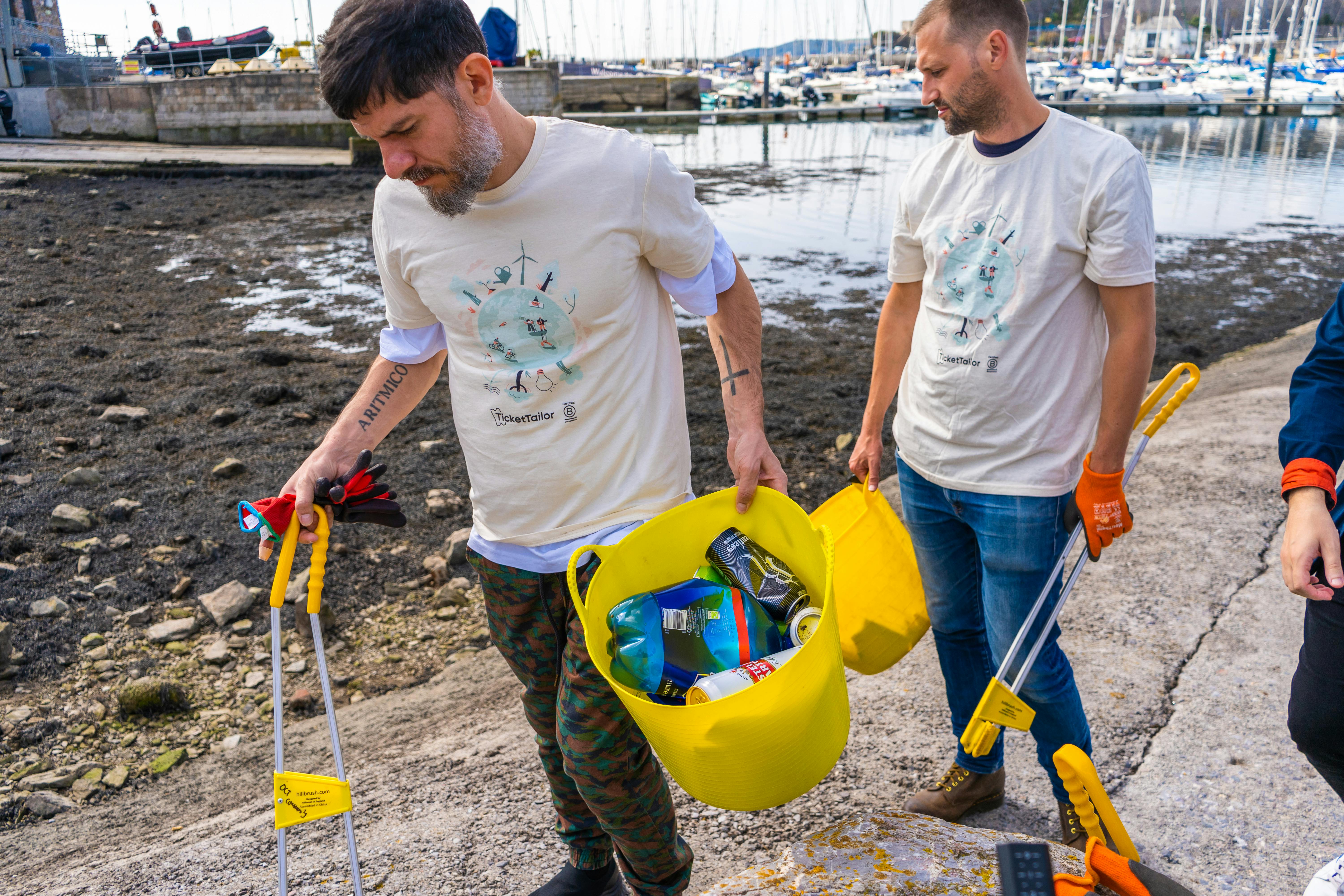
The OCT team uses information collected during beach cleans to understand where different types of rubbish are coming from. This can help identify patterns linked to tourism, fishing, local businesses and other sources.
A few days spent by the sea left us with a much deeper understanding of the work our donations help support. It also made the scale of the challenge feel much more tangible.
Watching rewilding happen in Somerset
In 2023, Heal Rewilding became our fourth Penny for the Planet partner.
Heal buys land and gives nature more freedom to recover. Its first site, Heal Somerset, covers 460 acres of former farmland.
In 2024, our team travelled to Somerset and spent a day exploring the site with Heal’s team.
A guided walk showed us how much can change when nature gets more space. Thousands of young oak trees had appeared across the landscape, alongside a growing mix of plants and wildlife.
At the time of our visit, more than 220 plant species and 52 bird species had been recorded on the site. Beavers had also returned to a landscape where they hadn’t lived for hundreds of years.
After our tour, things got a little muddier.
Getting stuck into earthworm surveys
Armed with spades, clipboards and a new appreciation for worms, we split into small teams to help Heal collect data about its soil.
Each group dug a series of holes, sifted through the soil and recorded the earthworms we found. We counted them, identified their species and noted how many were juveniles.
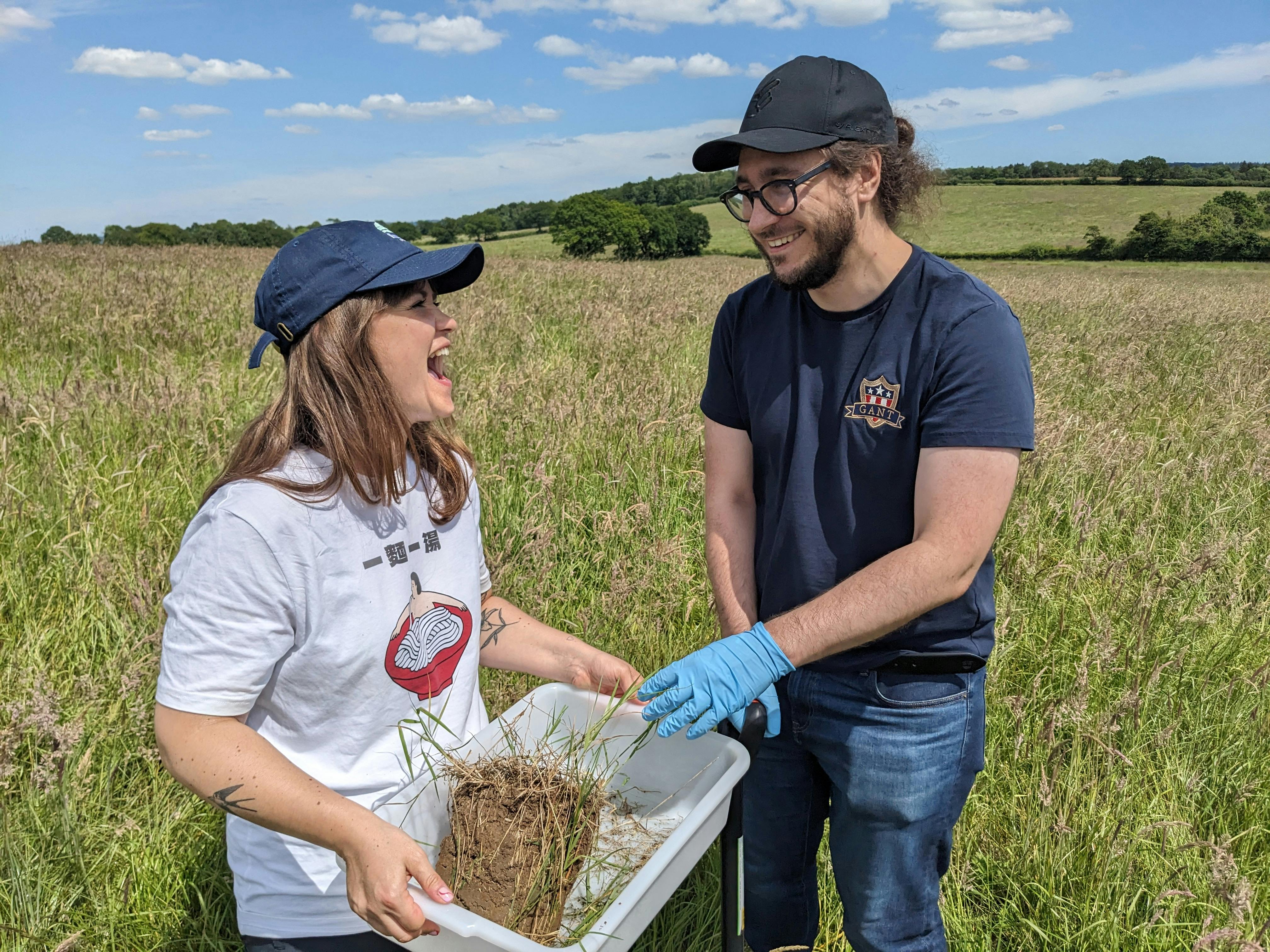
There’s more to worms than their glamorous reputation might suggest.
Earthworms can tell researchers a lot about soil health. They also help break down organic material, cycle nutrients, improve soil structure and create channels for water.
Our survey results contributed to Heal’s baseline data. This gives the team information they can compare against future surveys as the land continues to recover.
Spending the day at Heal brought rewilding to life for us. Changes that can sound fairly abstract on paper became trees, birds, beavers, plants and, yes, a lot of worms.
Getting closer to the projects we support
Funding is the foundation of our Penny for the Planet partnerships, and our charity partners decide how this support can be put to good use.
We also want our team to understand what our partners are doing and get to know the people behind it. Visits, volunteering days and conversations with our partners help us do this.
We’ve snorkelled with Ocean Conservation Trust, counted worms with Heal Rewilding and spent time volunteering with Cumbria Wildlife Trust. Each experience has taught us something new about the environments these charities are working to protect.
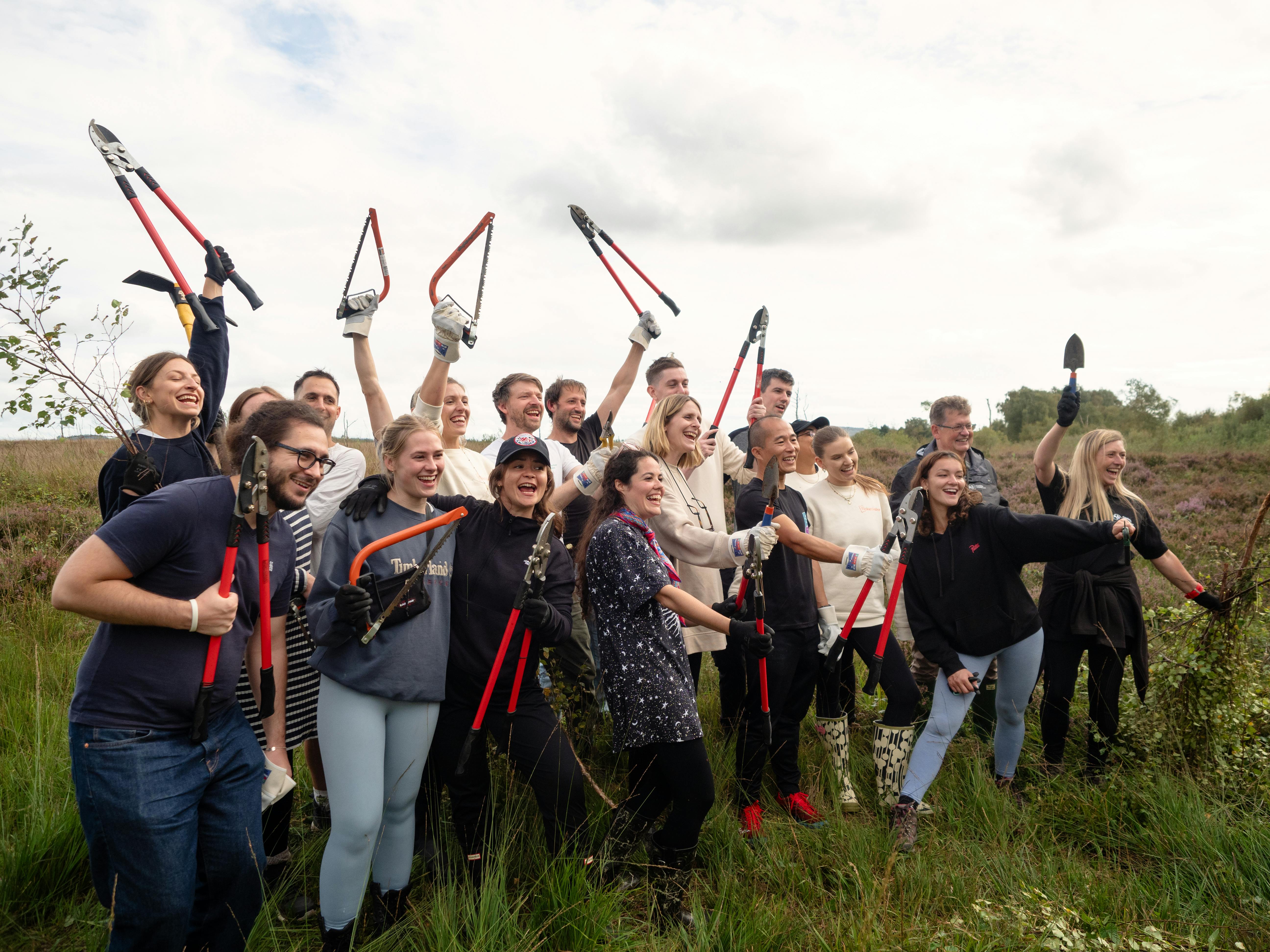
These relationships also remind us just how varied climate and nature projects can be. A healthy rainforest in Cameroon needs very different support from a seagrass meadow in Plymouth or a peatland in Cumbria.
There’s a common thread running through them all: healthier natural environments can store carbon, support wildlife and create more resilient ecosystems.
We’re very happy that ticket sales on Ticket Tailor can play a small part in helping these projects continue.
Keeping the momentum going
Penny for the Planet started with a simple commitment to donate 1p for every ticket sold through Ticket Tailor.
Since 2021, millions of individual ticket sales have contributed to the programme. Gigs, festivals, workshops, attractions, Christmas events and plenty more have all added pennies to the pot.
Our charity partners then turn this funding into practical projects on the ground and in the water.
We love seeing where these projects lead and sharing their stories with the Event Creators whose ticket sales help fund them.
So, if you’ve sold a ticket through Ticket Tailor, thank you. You’re part of this story too! 🙏
We’ll keep learning from our charity partners, visiting their projects when we can and sharing what we discover along the way.