The people-first event checklist: creating accessible, welcoming events for everyone
Events are human by nature. It doesn’t matter whether they’re designed to facilitate learning, fundraising, or good old unfettered fun, it’s the people at the heart of them that make them.
And yet it's all too easy to lose sight of this during the planning process. Between managing budgets, coordinating suppliers, and juggling countless moving parts, a lot of your time gets spent on the operational side of making an event happen.
But keeping people at the centre of your planning can have a real impact on the experience your event delivers.
From helping those with accessibility needs feel truly welcome and at ease through to caring for the staff and volunteers who make your events possible, fostering a people-first approach in event planning pays off in the long run. It’s what makes an event enjoyable and seamless, rather than stressful. And it’s what helps you attract and retain incredible team members who are as passionate about bringing your vision to life as you are.
In this guide, we take a close look at how you can put people-first event planning initiatives into action. Plus, find a handy accessibility checklist for events at the bottom of the article.

Make accessibility part of the plan from the outset
When you build accessibility into your plans from day one, it becomes much easier to make crucial decisions about venues, staffing, communications, and attendee experience. It also helps avoid situations where attendees are forced to ask for accommodations that could have been planned for in advance.
Choose a venue that works for as many people as possible
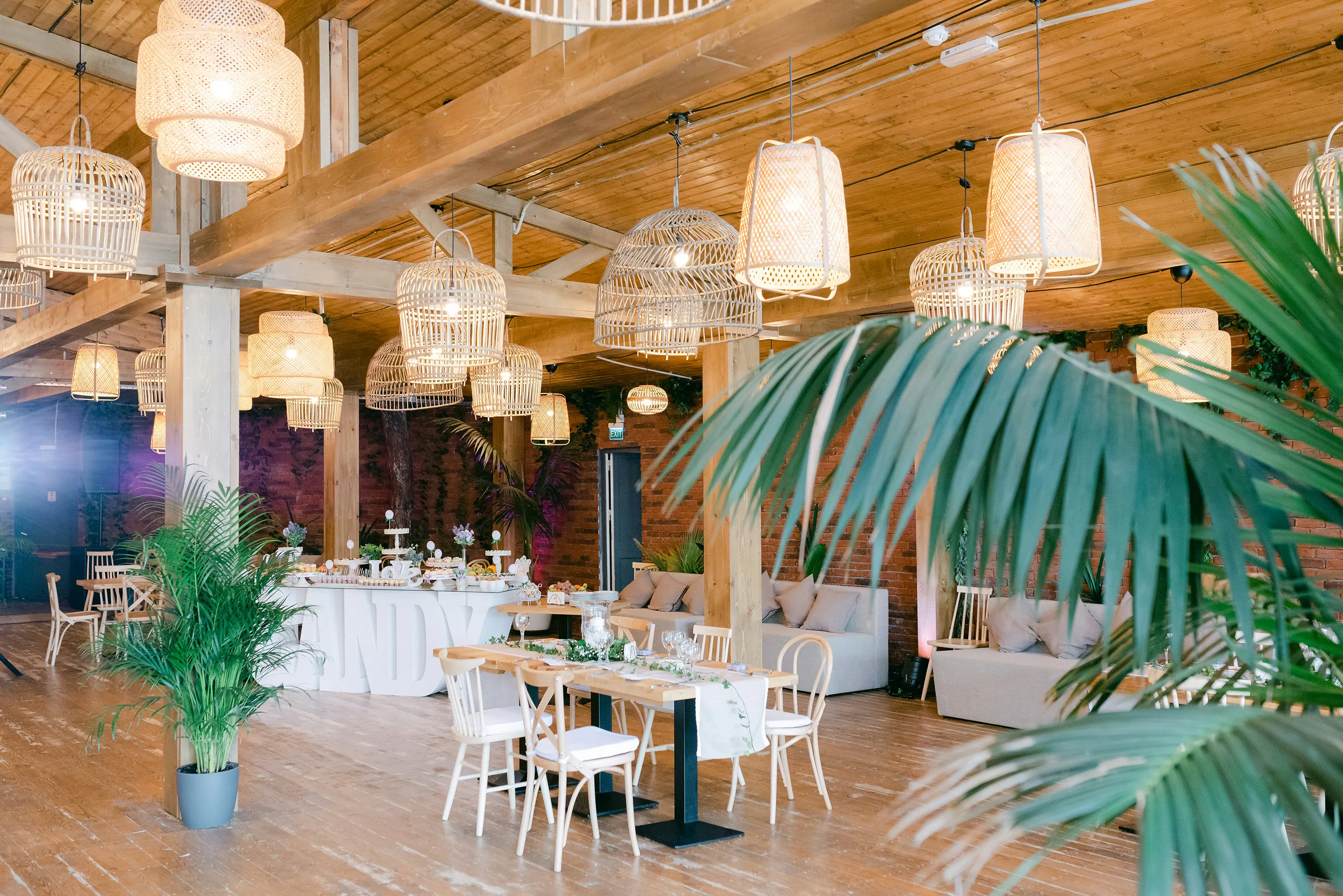
Before confirming a location, think about the practical experience attendees will have when arriving, moving around the space, and participating in activities throughout the day.
Some useful questions to ask include:
- Is there step-free access throughout the venue?
- Are lifts available where needed?
- Are accessible toilets available?
- Is there accessible parking nearby?
- Is public transport within easy reach?
- Is the venue well lit and easy to navigate?
- Is signage clear and easy to read?
Things like lighting and signage are easy to overlook during the planning process. But if a space is difficult to navigate or information is hard to find, attendees may find it harder to fully enjoy your event.
When assessing a venue, think about the entire attendee experience, from arriving at the space to moving around it comfortably for the entirety of the event.
Communicate accessibility information clearly
Make accessibility information easy to find across your event website, ticket page, emails, and promotional materials.
You might choose to create a dedicated accessibility page or FAQ section covering information like:
- Venue accessibility features
- Transport and parking information
- Companion or carer ticket policies
- Quiet spaces
- Service animal arrangements
- Contact details for accessibility queries
- Interpretation or captioning services
It's also a good idea to give people a way to share access requirements before the event. Whether that's through your ticket checkout form or a dedicated contact email, creating opportunities for attendees to communicate their needs helps you cover even more bases from an accessibility point of view.
Make presentations and content accessible
If your event includes speakers, workshops, or presentations, accessibility should extend to the content itself. As a first port of call, secure sign language interpreters for any talks.
Next, provide guidance to any speakers on creating accessible presentation materials.
That might include:
- Using large, readable fonts
- Maintaining strong colour contrast
- Avoiding difficult colour combinations
- Keeping slides clear and uncluttered
- Verbally describing important visuals
Some attendees may also benefit from alternative formats like printed materials, digital resources, or audio descriptions.
Create an environment that works for all attendees
Accessibility is often discussed in very practical terms, but creating a welcoming event is just as much about comfort, confidence, and creating a sense of belonging.

Support different sensory needs
Bright lights, loud music, crowded spaces, and constant activity can be challenging for some attendees, including many neurodivergent people.
Creating a dedicated quiet room or calm area where people can take a break from noise and stimulation can help attendees recharge.
It's also worth thinking about how attendees move through your space. Clear signage, easy-to-follow directions, and predictable event information all help reduce stress and uncertainty.
Welcome carers and companions
For some attendees, attending an event independently may not be possible or comfortable. Offering free companion or carer tickets is a practical way to remove barriers and make your event more accessible.
Alongside ticketing, think about how accompanying guests will experience your event. Make sure staff understand your policies and can help attendees access support without unnecessary complications.
Accommodate service animals
Many people rely on service animals to participate fully in everyday activities, including attending events. Planning ahead helps create a positive experience for both attendees and their animals.
Think about practical measures like:
- Providing enough space for service animals to rest comfortably
- Making water available
- Identifying suitable outdoor areas
- Briefing staff not to distract or interact with working animals
When these considerations are built into your plans, attendees can focus on enjoying your event rather than navigating avoidable challenges.
Make support easy to find
Even with careful planning, people will sometimes need help, so it’s a wise move to create a dedicated help point or clearly identify team members who can support attendees with accessibility-related queries.
You might also include accessibility information during opening announcements or welcome talks. This helps attendees understand what support is available and where they can find it.
Never treat volunteers as an afterthought (they shape the attendee experience!)
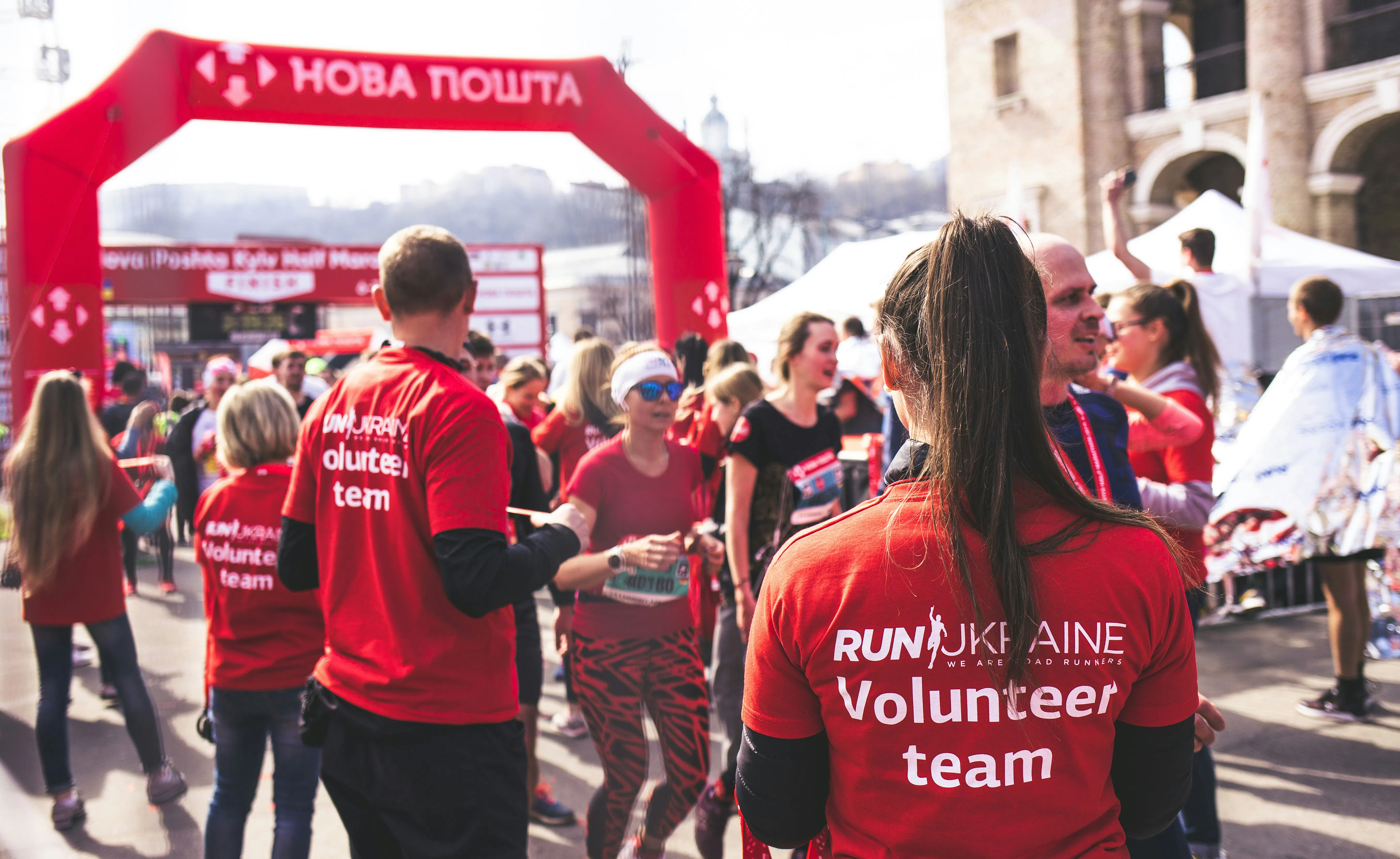
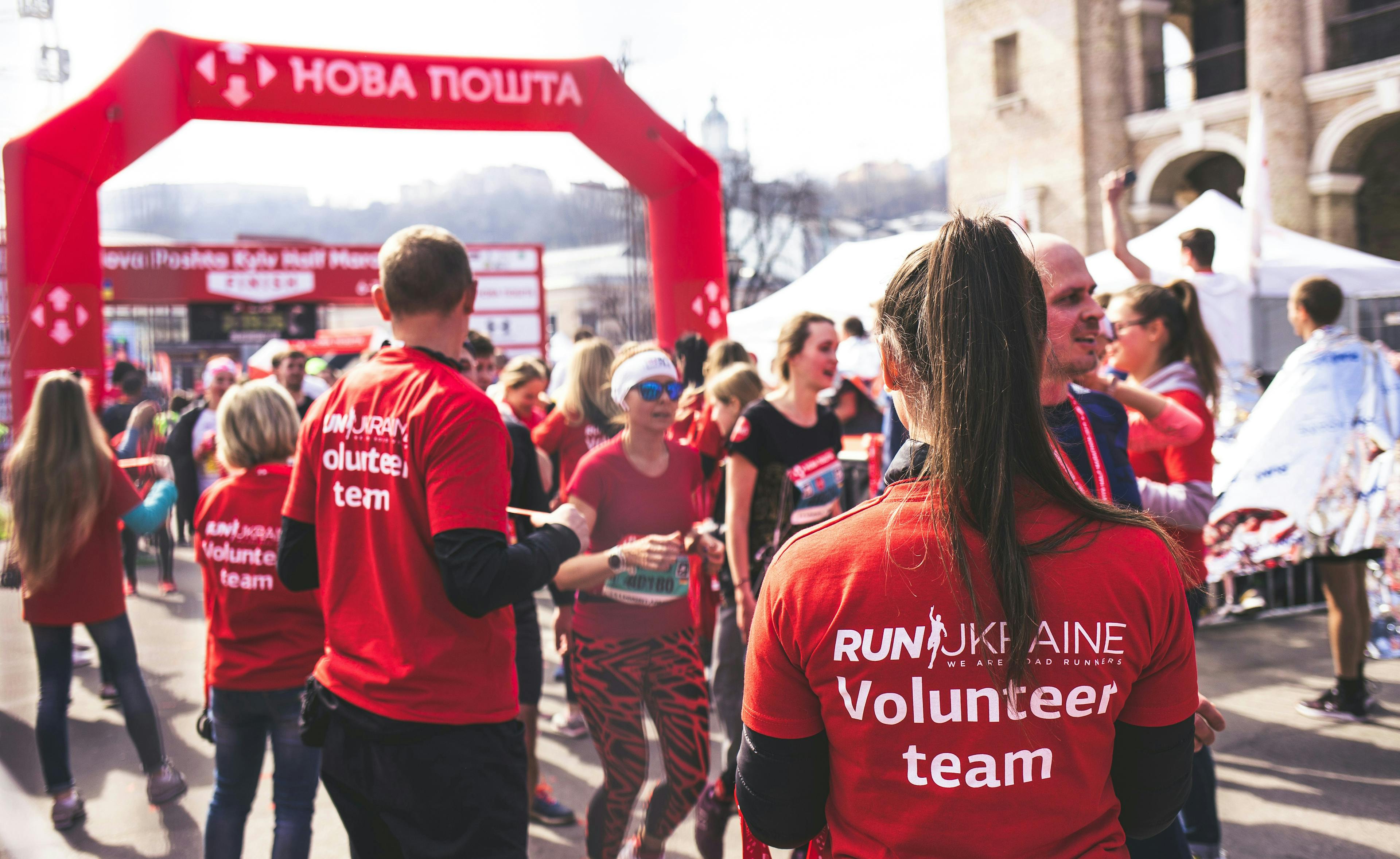
Volunteers can make or break an event. They’re often the people answering the most questions, helping attendees get where they need to be, and problem-solving on the spot when things go wrong. Which is why investing time into your volunteer programme can be one of the most valuable moves you make as an event creator.
Recruit people who believe in what you're creating
Finding great volunteers starts with attracting people who connect with what your event is all about. Community groups, email subscribers, social media followers, and past attendees can all be excellent places to look. People who already understand your mission or share an interest in your event are more likely to bring enthusiasm to the role and help create a positive atmosphere for attendees.
Set volunteers up for success
Once you've found your volunteers, giving them the support they need should be a priority. Taking the time to create detailed role descriptions helps people understand exactly what they'll be doing and where they'll fit into the wider event.
Providing training, answering questions in advance, and setting expectations early can also make sure volunteers are fully prepared before they arrive on site.
Practical support is just as important. Whether volunteers are helping with check-in, directing attendees, managing queues, or providing general assistance, they should have access to the tools and information they need to do their jobs confidently. User-friendly systems and straightforward processes can help reduce confusion and allow volunteers to focus their attention on supporting attendees.
Make volunteering rewarding
People volunteer for all sorts of reasons. Some want to support a cause they care about, while others are looking to gain experience, meet new people, or play a part in an event they love. Understanding these motivations can help you create a volunteer experience that feels worthwhile from start to finish.
Simple things can go a long way here. Giving volunteers opportunities to connect with others, recognising their contribution, providing refreshments, and making sure they have time to enjoy the event themselves can all help create a positive experience.
This can also help you build a reliable volunteer community over time. People who enjoy volunteering at your event are much more likely to return in future and recommend the opportunity to others.
Word of mouth is one of the most effective ways to attract enthusiastic volunteers, especially when those recommendations come from people who have already had a great experience.
Look after the people behind your event
Taking a people-first approach to event planning naturally involves taking great care of all team members. When staff are genuinely supported and valued they're in a much better position to create positive experiences for everyone else.
Encourage open communication
Good communication helps teams navigate the pressures that can come with event planning. Creating opportunities for staff to share feedback, raise concerns, and discuss challenges can help managers understand where additional support may be needed.
Regular one-to-ones, team discussions, anonymous surveys, and other feedback channels can all help people feel heard. It's also worth providing confidential ways for employees to communicate, as some people may be more comfortable discussing sensitive topics privately.
Build trust and flexibility
Giving team members greater autonomy over how they manage their work can help them balance busy periods more effectively while maintaining a sense of ownership over their responsibilities.
Simple adjustments can make day-to-day working life easier. Flexible hours, hybrid working arrangements, and streamlined processes can all help reduce unnecessary pressure. Reviewing existing ways of working can also highlight tasks or procedures that add complexity without delivering much value for staff or the wider organisation.
Create an inclusive culture
Building an inclusive workplace culture helps create an environment where everyone feels they belong, regardless of their background, identity, or personal circumstances.
This starts with fostering a culture of respect and encouraging different perspectives. It also means creating an environment where people are comfortable sharing ideas and speaking up when something isn't working. When employees feel safe contributing openly, teams are often better equipped to solve problems and support one another.
Protect people from burnout
The events industry is known for tight deadlines and periods of intense activity. Encouraging people to take regular breaks, use their holiday allowance, and properly switch off during time away from work can help support long-term wellbeing.
For example, employees should be comfortable taking sick leave when needed, and there shouldn’t be any pressure to be constantly available outside of working hours. Supporting rest throughout the year can help teams stay energised and ready for the demands of event delivery.
An accessibility checklist for events
Navigating event accessibility can end up feeling a bit daunting, with so many different elements to consider. The checklist below should help you keep track of key tasks throughout the planning process.
Venue and event space
☐ Confirm the venue has step-free access throughout key event areas.
☐ Check accessible toilets are available and easy to find.
☐ Review lift access if attendees need to move between floors.
☐ Identify accessible parking options near the venue.
☐ Check public transport links and include these in attendee information.
☐ Make sure pathways, entrances, and exits are easy to navigate.
☐ Review lighting levels throughout the venue, including entrances and walkways.
☐ Check signage is easy to read, well-positioned, and uses good colour contrast.
☐ Consider creating a quiet space for attendees who may need a break from busy environments.
Accessibility planning and support
☐ Identify any accessibility services required, including BSL interpretation or captioning.
☐ Create a process for collecting access requirements during registration.
☐ Provide a dedicated contact for accessibility-related questions.
☐ Brief staff and volunteers on accessibility arrangements before the event.
☐ Decide how attendees can request support on the day.
☐ Create a plan for communicating accessibility information during welcome announcements.
Ticketing and attendee communications
☐ Publish accessibility information on your event website and ticket page.
☐ Create an accessibility FAQ covering common questions.
☐ Include details about venue access, parking, transport, and available support.
☐ Make it easy for attendees to contact you with accessibility requests.
☐ Offer companion or carer tickets where appropriate.
☐ Send accessibility information to attendees before the event takes place.
Content, talks, and presentations
☐ Ask speakers to use large, easy-to-read fonts in presentation slides.
☐ Encourage good colour contrast and accessible slide design.
☐ Share accessibility guidance with all speakers and presenters.
☐ Consider providing alternative formats for event materials where needed.
☐ Arrange audio description, captions, or transcripts if relevant to your event.
Volunteers and event staff
☐ Recruit volunteers who understand and support your event's values.
☐ Provide volunteers with clear role descriptions and expectations.
☐ Deliver training before the event takes place.
☐ Make sure volunteers know how to support attendees with access requirements.
☐ Provide staff and volunteers with the tools and information they need to do their jobs confidently.
☐ Clearly identify staff and volunteers on the day.
During the event
☐ Make support points easy for attendees to locate.
☐ Check accessibility signage is visible throughout the venue.
☐ Make sure quiet spaces remain available and accessible.
☐ Provide water and suitable facilities for service animals.
☐ Monitor queues, entrances, and busy areas throughout the event.
☐ Encourage staff and volunteers to proactively offer assistance when needed.
☐ Gather attendee feedback on accessibility and inclusion after the event.
At the heart of every great event are the people who attend it, support it, and help bring it to life. Taking a thoughtful approach to accessibility and inclusion can help create experiences that feel welcoming from the very first interaction. While every event will have different requirements, keeping people at the centre of your planning is always a good place to start!
A ticketing platform built around people
As an independent ticketing platform, we're committed to helping event creators do more of what they love, while supporting communities and causes that make a positive difference. Head to our Impact page to learn more about our approach, from climate action initiatives to the ways we support charities and community organisations around the world 💚.