The top 5 ticketing platforms for venues
What does a venue actually need from a ticketing platform that a one-off event organiser doesn't? We'll help you evaluate the top venue ticketing platforms

Picking the correct ticketing platform for your venue can feel like a bit of a minefield. There are quite literally 100s of platforms with new entrants appearing every week thanks to AI and its ability to help code and launch platforms far quicker than previously.
Each of them carry their own pros and cons, sets of features and pricing models, and often we come across feature and price comparison tables that are meant to make it easy to make a decision.
But we want to take a different, perhaps more useful approach and start by asking:
What does a venue actually need from a ticketing platform that a one-off event organiser doesn't?
Because if you don't answer that first, you end up comparing platforms on features that don't matter for the way a venue actually operates, and missing the ones that do.

What do venues actually need from a ticketing platform?
1. Reserved seating & Seating charts

that scales beyond the marketing. Every top-8 platform will claim reserved seating. Fewer of them do it well. What actually matters at a venue: the seat-map builder has to handle real venue geometries (arcs, boxes, aisles that aren't straight lines), it has to persist across multiple performances of the same show without recreating the chart every night, and it has to let you handle seat holds (accessibility, comps, VIPs, restricted views) without pretending they're just sold seats. Only a handful of platforms genuinely do all three.
2. Multiple performances
of the same show. A play runs Tuesday to Saturday for three weeks. That's 15 performances of the same production, each with the same seat chart, each sold separately, each with its own occupancy report. Some platforms make this obvious. Others make you build the same event 15 times. This is one of the things you don't notice you need until the venue manager quits after the third replica setup.
3. Season passes and memberships.
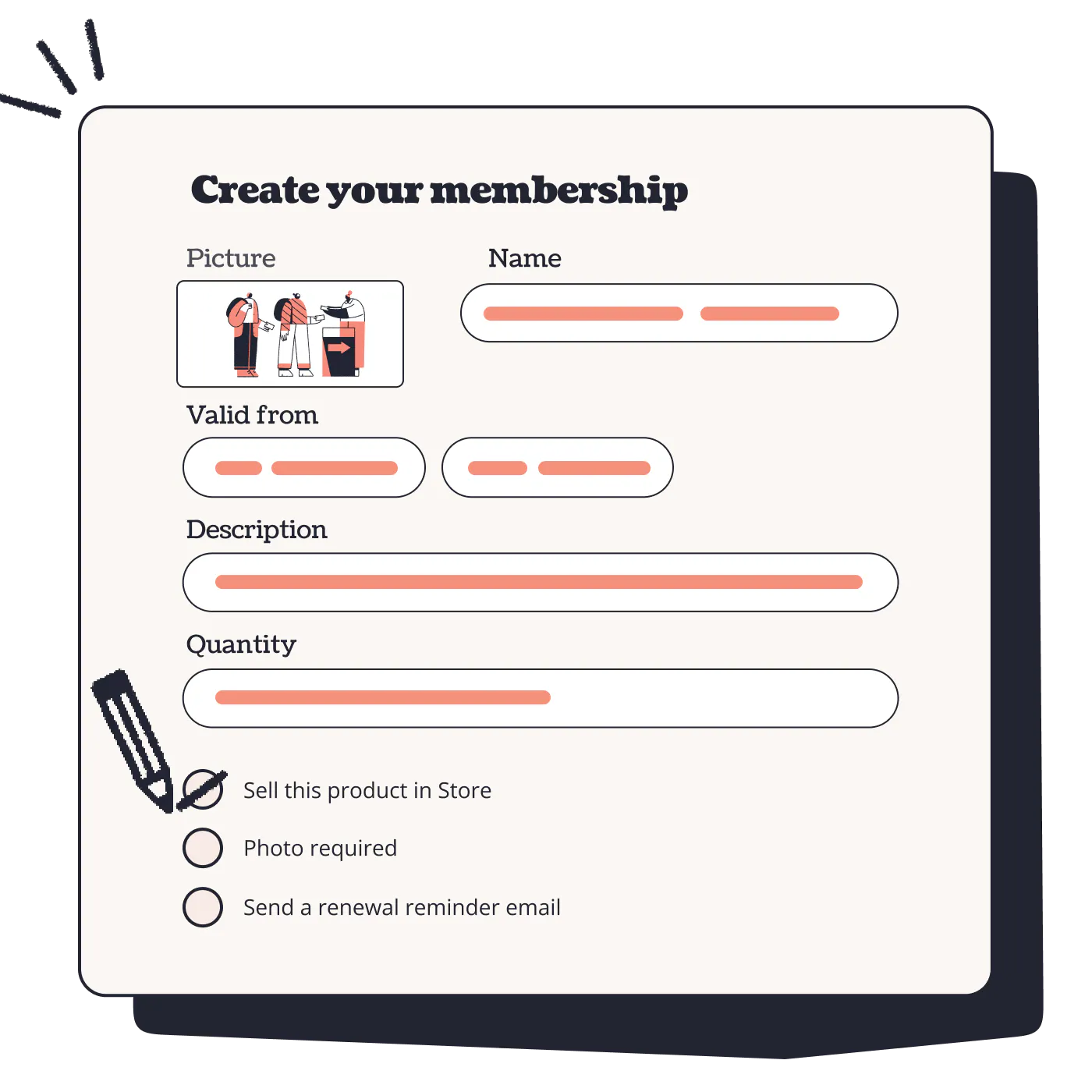
Museums, arts centres, opera houses, regional theatres, garden trusts. These venues live on their members. A ticketing platform that doesn't understand recurring memberships, member-only presales, member discounts, and member-linked ticket history is not a venue platform, whatever the marketing says.
4. Direct, fast payouts.
A venue has ongoing operational costs: staff wages, utilities, supplier deposits, artist fees. Ticketing platforms that hold money until after the event (Eventbrite: 5-7 days post-event; Weezevent: every 15 days) create a cash-flow problem venues can feel in month one. Platforms that pay direct as tickets sell (Ticket Tailor, TicketSource, SimpleTix on their own merchant model) don't.
5. On-site box office and phone bookings.
Two things one-off event organisers rarely think about but venues absolutely need. Walk-ups happen. Older audiences call in. Access needs get resolved on the phone. Any platform that assumes everyone will buy online in advance is not built for a venue.
6. Data ownership.
A venue's attendee list is one of its two or three most valuable assets. Platforms that treat that data as co-owned (Eventbrite, Universe on marketplace tickets) or that don't let you export it cleanly are structurally wrong for venues in a way that's hard to see until you try to migrate away.
7. Own-brand buyer experience.
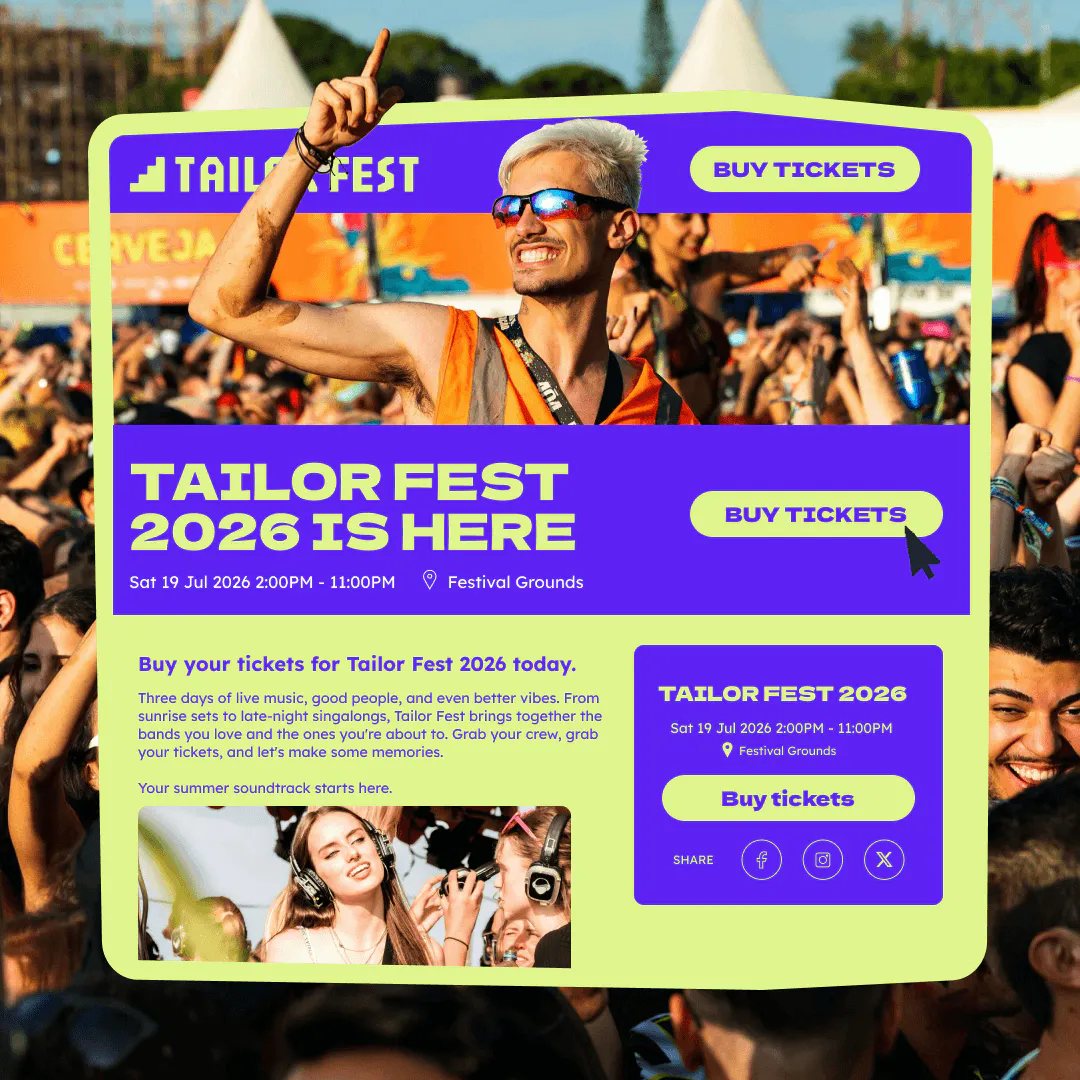
A regional theatre has a brand. A concert hall has a brand. A museum has a brand. Buyers should experience that brand on the ticketing page and in the confirmation email, not the ticketing platform's brand. Custom domain and white-label are more important for venues than for anyone else in the ticketing market.
8. Accessibility.
Genuine accessibility support (holding accessible seats without them appearing as sold; letting buyers self-select accessible seating options; audio-description performances flagged clearly). Most platforms treat this as an afterthought. One or two build it in.
9. Multi-event / season checkout.
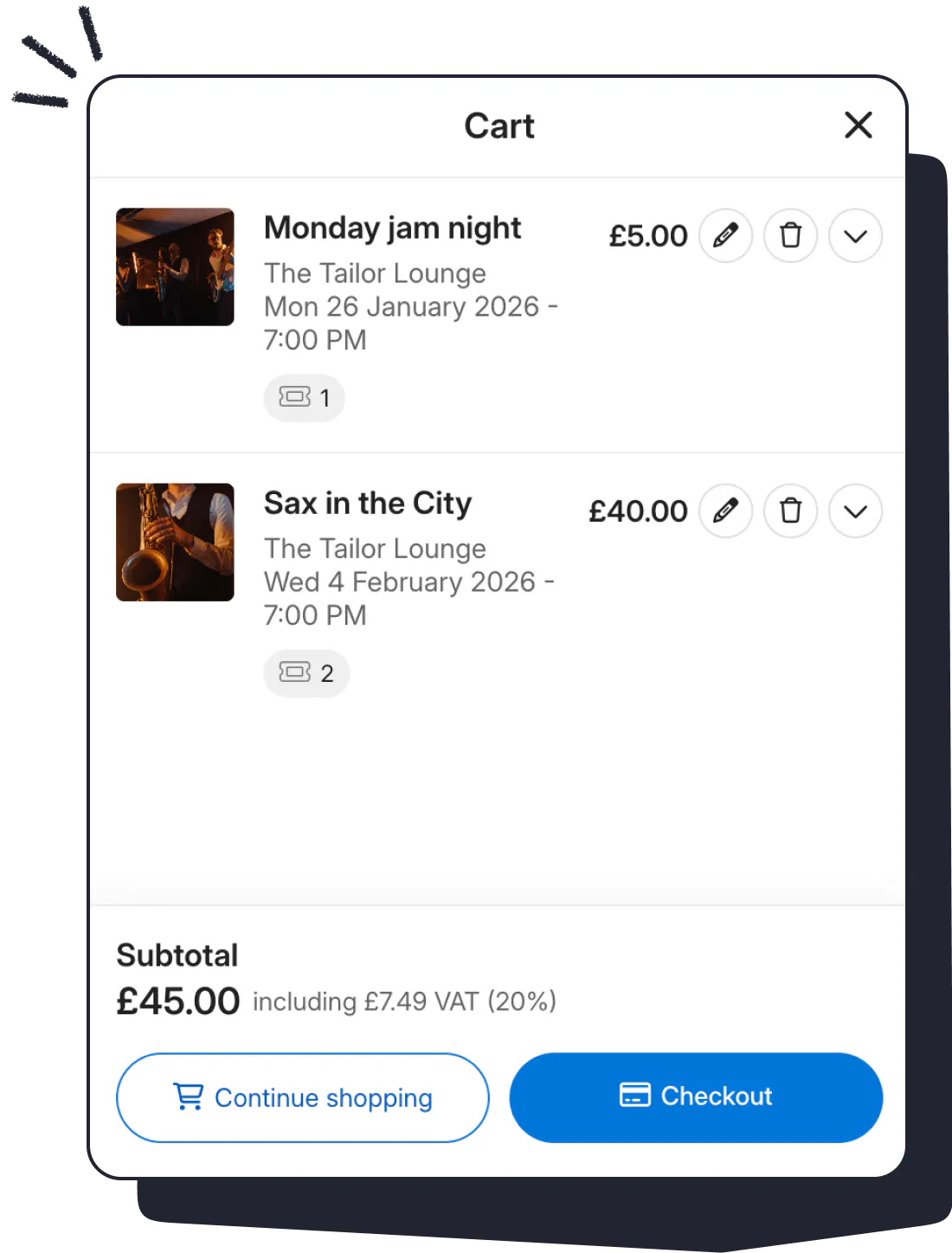
Buyers who want to book three shows in one transaction. Season subscribers renewing. Package deals. If checkout is single-event only, you lose transactions and add friction.
10. UK Gift Aid support.
For UK charitable venues specifically. Non-negotiable if you're a registered charity.
Now the platforms.
1. Ticket Tailor
Overview.
Best general-purpose venue platform in the mid-tier market. Purpose-built enough to handle real venue operations (memberships, recurring events, reserved seating, direct payouts, phone-friendly), commercial enough to be honest with organisers about pricing.
From £0.22 + VAT (or $0.30) per ticket on prepaid credits, plus Stripe processing that goes direct to the venue's merchant account. Reserved seating adds one extra credit per reserved paid seat, so a £15 reserved theatre ticket costs about £0.44 total in platform fees. Charities 50% off, schools 20% off, and both are published rates rather than case-by-case negotiation.
Standout venue features.
- Reserved seating designer with proper table layouts (gala dinners, cabaret, comedy clubs) and seat holds that don't count as sold tickets.
- Time-slot and recurring events with a heat-map showing occupancy across performances (genuinely useful for a venue running the same show for weeks).
- Memberships and season passes on the standard plan, not gated to enterprise.
- Multi-event checkout (buyer can add three different performances to one cart).
- Free iOS and Android check-in app with Tap to Pay on iPhone through the app.
- Direct instant payouts through the venue's own Stripe, PayPal or Square account.
- 24/7 in-app support with named team members (rare in the venue-oriented tier of the market).
Pros for venues. Cheapest published rate on typical venue ticket prices (£15-£75) by a wide margin. Flat-fee mathematics means your platform costs stay predictable regardless of ticket price. Memberships and recurring events feel like first-class product concepts, not workarounds. B Corp status appeals to arts organisations and charity venues where values alignment matters to the board. AI/MCP connector shipped September 2025, so ChatGPT and Claude integration are genuinely usable for venue managers who want AI-assisted event setup.
Cons for venues.
No native discovery marketplace (a venue driving its own audience won't miss it; one hoping to find new customers through platform traffic will). Custom domain and full white-label carry a small one-off fee. Not as UK-community-theatre-specific as TicketSource's phone booking service, which matters for smaller regional venues with older audiences.
Best fit for.
Independent venues, arts centres, live music venues, comedy clubs, mid-sized theatres, gala dinners, and any venue globally that already has an audience and cares more about keeping fees down than about being found through a marketplace.
2. TicketSource
Overview.
The venue platform designed by people who genuinely understand UK regional theatres. Built for arts centres, community theatres, village halls, festivals, and anywhere that a portion of the audience still books over the phone. Not the cheapest, but the most operationally UK-venue-shaped platform in this list.
Pricing.
7% + VAT per booking with payment processing bundled in (minimum 25p), or 4.5% + VAT with your own Stripe. On a £20 theatre ticket that's £1.68 all-in; on a £40 dinner-and-show ticket, £3.36. Notably higher than Ticket Tailor at every price point above about £8, but simpler because processing is included and never a surprise.
Standout venue features.
- Telephone booking service actually staffed by TicketSource on behalf of the venue. This is unique in the market. For community theatres, village halls, and any venue where a meaningful portion of your audience is over 65, this alone justifies the platform.
- Interactive seating designer that handles aisles, boxes, and proper banquet tables (round tables of 8, 10, 12) rather than generic rectangular grids.
- Full refund guarantee on cancelled events.
- Gift Aid integration for UK charitable venues (genuine and audit-friendly).
- Timed-session tickets for museum-style operations.
- Thermal printer support for box offices that still hand out physical tickets.
- Sync between online sales and box-office bookings so both sides see the same available seats.
Pros for venues.
UK-native, UK-supported, UK-timezoned. The telephone booking service is a real operational advantage no one else offers. Seating designer handles the awkward geometries community theatres actually have. Gift Aid works cleanly for charitable venues. Refund guarantee builds trust with older audiences who worry about cancellations.
Cons for venues.
7% + VAT is genuinely expensive on premium tickets: a £50 theatre ticket costs £4.20 in platform fees versus Ticket Tailor's £1.75 (including Stripe). Memberships aren't documented on the current help centre and may not exist. No published white-label or custom domain option. UK-only in practice; the .us domain redirects to .com in GBP.
3. SimpleTix
Overview.
The most under-marketed serious venue platform in the US market. Actively used by museums, gardens, historic sites, attractions, and mid-sized US venues that need memberships plus timed-entry plus reserved seating in one system. Deeper than the marketing suggests. If you're a US venue and you've never heard of SimpleTix, that's about SimpleTix's marketing, not their product.
Pricing.
2% + $0.79 per ticket (capped at $9.99) + Stripe. Verified 501(c)(3) nonprofits: $0.71 + 2% + Stripe. On a $25 museum ticket that's $2.03 all-in; on a $75 concert ticket, $3.94. Cap kicks in at around $460, so no premium event goes stratospheric on fees.
Standout venue features.
- Flex Pass timed entry with self-rescheduling. This is the museum, garden, and historic-site use case: buyers pick a time slot, capacity is respected, and if plans change the buyer can reschedule themselves without asking the box office. Genuinely well-executed.
- Full memberships module with member discounts, member-linked purchase history, season tickets, and integrated donor management.
- BYO merchant across four processors (Stripe, Square, PayPal, Authorize.net). Immediate payouts through the venue's own merchant account.
- Reserved seating chart builder with proper venues-management (multiple seat maps saved per venue) and table layouts.
- Custom registration pages with waivers, attendee selfies (higher-security or member-only events), and BOGO / quantity discounts.
- Tap to Pay on iPhone plus Socket Scanner hardware for professional door setups.
- Audit log, MFA, BCC notifications, user role management.
Pros for venues.
Feature depth genuinely matches or exceeds anything else in the US mid-tier. Merchant flexibility means the venue keeps its existing payment relationships. Flex Pass timed-entry works cleanly out of the box for the museum/garden use case where everyone else needs a workaround. Cap on the per-ticket fee protects premium events. Immediate payouts.
Cons for venues.
US-focused. Multi-currency support unclear from public docs. Marketing thin enough that many potential customers don't discover the platform (which is a business risk for the platform, not for you, but it does mean smaller community around it). Support hours not documented as 24/7. Not a venue platform for the UK market in practice.
4. Humanitix
Overview.
The venue platform for organisations where values alignment matters. 100% of platform profits go to children's education charities (real and audited, not marketing spin). Growing venue traction in the US, UK, and Australia across arts organisations, universities, community venues, and charity-adjacent spaces.
Pricing.
UK: 4.67% + £0.46 per ticket ex VAT + Stripe UK. US: 2.1% + $0.99 + Stripe. Charity and schools rate drops to 3.33% + £0.25 + Stripe (UK) or 1% + $0.99 + Stripe (US). On a £25 UK theatre ticket, standard rate is £1.63 + Stripe (roughly £2.20 all-in); charity rate £1.08 + Stripe.
Standout venue features.
- World-first accessibility features on seating charts. Seats can be held for accessibility needs without appearing as sold, with buyer-facing controls for wheelchair-user seats, hearing-loop seats, and companion seating. Nobody else in the venue market does this at this level of maturity.
- Seat maps that handle theatres, auditoriums, market stalls, and table layouts.
- Named human customer support (84 of 100 substantive Trustpilot reviews mention individual team members by name).
- Genuine public REST API with Swagger docs, Stoplight, sandbox environment, and webhooks (rare in this tier of the market).
- Multi-currency across US/UK/AU/NZ/CA in the same platform.
- Canva-powered event page design tools (venue marketers who know Canva get to use skills they already have).
Pros for venues.
Best accessibility support of any platform in the market. Genuine values proposition backed by audited donations. Customer support scores on par with Ticket Tailor. Solid international support for venues that host touring shows or international audiences. Charity/schools rate is 30-50% cheaper than standard, which matters for arts venues operating as registered charities.
Cons for venues.
No custom domain. No white-label. Refund disputes on cancelled events routed back to the venue rather than centrally handled (frustrating for buyers when the venue is slow to respond). UK effective rate at 4.67% + £0.46 is materially higher than Ticket Tailor's flat fee on premium ticket prices. Marketed primarily to charity/nonprofit venues, which means for-profit venues sometimes underestimate how good the general product is.
5. Universe
Overview.
The venue platform for premium-ticket venues and API-integrated operations, provided you're comfortable with the parent company context. Universe is Ticketmaster-owned, and Ticketmaster is currently in the remedy phase of a federal jury verdict finding Live Nation liable on every antitrust count in April 2026. That legal context is not neutral background for a venue considering the platform; it's an actual risk factor worth discussing with your board.
Pricing. Get growing (US): 2.5% + $1.99 (capped at $19.95 per ticket). UK: 5.5% + £0.99 (capped at £9.95). The Start small plan (2% + $0.59 US / 2% + £0.99 UK, capped at $9.95 / £9.95) exists but is heavily feature-restricted; most venues won't qualify for the features they need. On a $50 concert ticket, Get growing takes $3.24; on a $150 premium ticket, $5.74; on a $500 gala ticket, the cap kicks in and Universe takes only $19.95.
Standout venue features.
- Cap-protected pricing. On premium-priced venue tickets ($150+), Universe stops taking more as prices rise. On a $500 gala ticket, Universe is genuinely cheaper than any percentage-based competitor.
- Public GraphQL API with a live GraphiQL explorer at developers.universe.com. Best-documented ticketing API of any platform in this list, by a distance. For venues that want to integrate ticketing with their own CRM or member database, this is a real advantage.
- Universe Payments (bundled) or Stripe Connect (your own merchant), depending on preference.
- Optional Ticketmaster distribution on Pro tier if the venue wants marketplace visibility.
- Embeddable widget with strong visual polish.
- Reserved seating chart (though tier gating unclear on current published pricing).
Pros for venues.
Cap on the per-ticket fee is genuinely valuable for premium venues (concert halls, opera houses, high-end gala dinners). The API is a genuine differentiator for any venue with internal tech. Ticketmaster distribution is available on Pro if the venue wants marketplace reach. Free events have no service fees.
Cons for venues.
The Ticketmaster / antitrust context is genuine risk. The April 2026 verdict opens the door to structural relief and treble damages; the remedy phase runs through autumn 2026. Universe organisers should have a fallback plan. Trustpilot rating around 2.2 for the parent-facing buyer experience, with refund handling on cancelled events as the dominant complaint. Team permissions gated to Standard+ tier. Reserved seating tier gating not clearly documented on current pricing. On typical mid-price venue tickets ($30-$100 range), Universe is more expensive than Ticket Tailor's flat fee.
Beyond pricing and features, how do you actually decide what ticketing platform is right for your venue?
Here's the thing that isn't obvious until you've read fifty pricing pages and a thousand reviews: the ticketing platform market for venues has quietly converged on the same feature set, and the differentiators most venues will actually feel in year one are not features. They're pricing, payouts, support quality, and ownership.
Feature parity is broadly real.
Every platform on this list has reserved seating, multiple ticket types, discount codes, embed widgets, mobile check-in, and Stripe integration. If a sales rep tells you their platform has "advanced reserved seating," ask them specifically about seat holds, table layouts, accessibility flagging, and seat-map reuse across multiple performances. That's where the actual capability differences live. Everyone will tick the "we have reserved seating" box on a comparison table.
Pricing model matters more than the headline fee.
Venues typically sell tickets across a wide price range (£15 matinee tickets, £45 evening tickets, £75 dinner-and-show, £150 gala fundraiser). A percentage-based platform charges more as prices rise; a flat-fee platform doesn't. Over a year of programming, the difference is often 50-70% of total platform fees. If your venue's median ticket price is above £15, flat-fee (Ticket Tailor, TicketSpice) beats percentage-based (Eventbrite, TicketSource, Universe on standard tickets) unless the platform offers something genuinely irreplaceable.
Payouts change how venues actually feel a platform.
Direct payouts (Ticket Tailor, SimpleTix on merchant model, TicketSource with own Stripe) mean the venue has cashflow before the event. Held payouts (Eventbrite: 5-7 days post-event; Weezevent: every 15 days; Universe: unclear) mean the venue is effectively lending its ticket revenue to the platform for a fortnight. For a venue paying artist fees and supplier deposits before the show, this timing is a real operational cost that never appears in a fee-comparison table.
Customer support quality is the biggest hidden difference.
Ticket Tailor's 24/7 in-app team with named humans, Humanitix's support team members that reviewers know by first name, and TicketSource's telephone booking staff are all genuinely rare. Eventbrite's chatbot loops and Universe's Trustpilot pattern of unresponsive support are the other end of the same spectrum. Every venue will need real support at some point (a refund dispute, an on-sale that misbehaves, a member-linked purchase question that requires human judgement). Choose based on that eventuality, not the happy path.
Company ownership is a real variable now.
Eventbrite is now Bending Spoons, whose track record at Evernote, WeTransfer, Meetup, Komoot, and Vimeo includes documented workforce cuts and fee increases within twelve months of acquisition. Universe is Ticketmaster, currently in an active antitrust remedy phase. Ticket Tailor is independent and a B Corp. Humanitix is independent and a nonprofit. These are not equivalent choices, and for a venue committing to a platform for 3-5 years, the ownership trajectory matters more than a small pricing edge today.
Values alignment isn't just marketing.
Arts venues, charity venues, community venues, and university venues frequently have boards that ask questions about supplier alignment. "Our ticketing platform is a B Corp" or "our ticketing platform donates 100% of profits to children's education" are the kind of answers that build board-level confidence in a way that "our ticketing platform is 0.2% cheaper" doesn't.
Making a final decision
Most of the top platforms in the venue market do broadly the same things now. The choice that matters is not which platform has more features (they're mostly at parity), but which platform's owners, values, pricing model and support team look most likely to still be worth being with in three years.
We may be biased, but ticketing gets a bad rep and we exist to make sure its fair, cost effective and accessible to all events. Our flat pricing, independent ownership, B Corp status, and consistently praised support team make it the platform default for the majority of independent venues, with a very niche operational reason needed to pick something else.
If your reason to choose or switch is fee-based, run the maths at your actual median ticket price and season volume. On any premium venue programme, the platform-fee saving alone is often the difference between hiring one more front-of-house staff member or not.
If your reason to switch is because you're tired of your current platform's support, take the Trustpilot data at face value. A platform that treats organisers well when the platform is small will keep doing that at scale, and a platform that treats organisers poorly when it's already at scale is unlikely to improve.
If your reason to switch is philosophical, the four platforms on this list that are independent, values-explicit, or actively giving back (Ticket Tailor, Humanitix, TicketSource, SimpleTix) all have honest answers to that question. The two owned by publicly-traded acquirers or antitrust defendants (Eventbrite, Universe) don't.
We hope that, although longer, this article has provided more clarity in your search for a ticketing platform for your venue. And if we’ve done enough to convince you, you can get started with Ticket Tailor here.