How to run an indie festival: insight from 20-year-old festival 2000 Trees
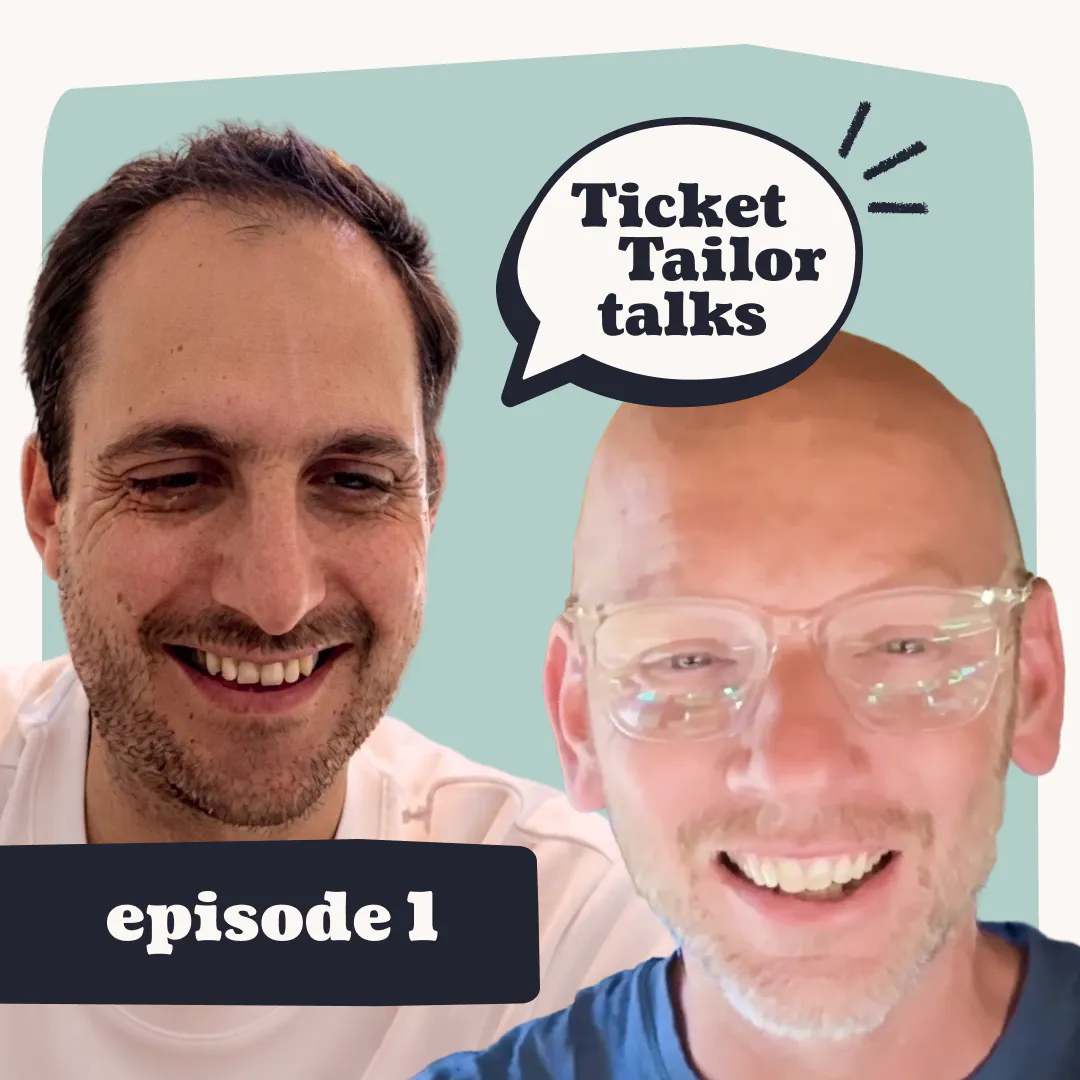
How do you keep an independent festival going for 20 years? We sat down with 2000 Trees founding director Simon Maltas to hear how a campfire at Reading in 2006 became a festival now heading into its 20th year, and what other organisers can learn from how it has been run. The second in our series on UK independent festival economics.
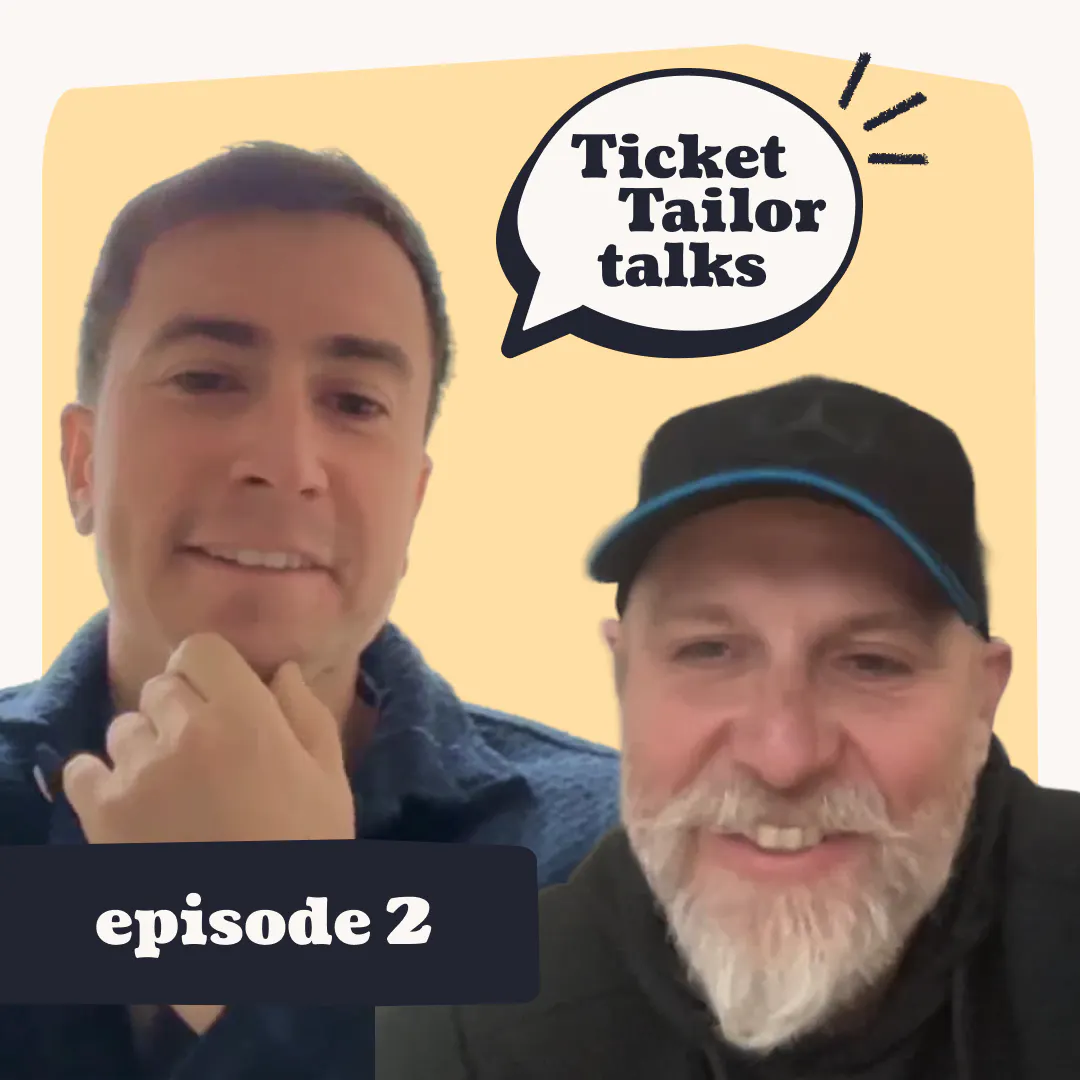
It was August 2006, and a group of friends sitting round a campfire at Reading Festival had started to feel a little jaded by how big it had become and how it was run. Amongst them was Simon Maltas, and between them they reckoned they could do this themselves, and probably do it better, so by the following July they were standing in a field doing exactly that. That was the beginning of 2000 Trees, which is now heading into its 20th year, and Simon, a founding director, is who we sat down with for the second episode of our festival series to hear how it has lasted.
It hasn't been an easy stretch to last through. John Rostron of the Association of Independent Festivals (AIF) told us in episode one that around 300 UK music festivals have been lost since 2019 and that costs are up more than 30%, and yet 2000 Trees is selling well and its sister festival, ATG, sold out last year for the first time. Simon puts it down to a handful of habits, most of which he picked up the hard way, so we've set them out below for any independent festival at any stage. The full conversation can be seen on our YouTube Channel.
Start with the festival you'd want to go to
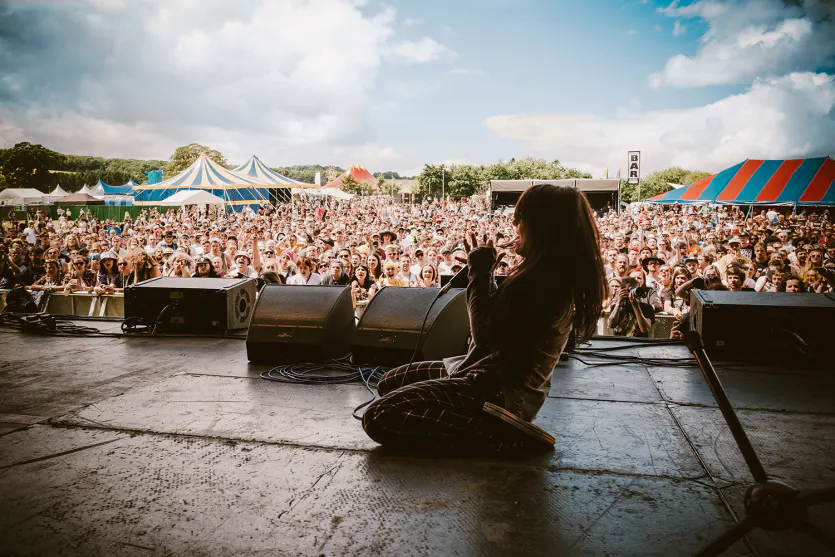
Simon is happy to admit that nobody in the group had run an event, or even promoted a show, when they started. They all had full-time jobs elsewhere, they were fairly fresh out of university and, as he put it, they didn't have a clue what they were doing. What they did have was a love of festivals and a simple aim, which was "to create a festival that we ourselves would want to go to."
That aim hasn't changed, and Simon thinks it's a big part of why 2000 Trees is still here. "If we create something that we want to go to, then surely other people want to come along as well." When we asked whether the growth since 2007 had been steady, he agreed that it has been, a little bigger and a little more capacity most years, instead of arriving at its current size in one leap.

The first version of that festival tried to be a bit of everything, though, which is where the next lesson came from.
Build a community, don't fall into the trap of trying to appeal to everyone
In the early years, Simon says, they made the mistake of trying to be too broad. They wanted to appeal to as many people as possible, so the line-up had rock and metal alongside a mix of other genres, and it did appeal to a lot of people, but there wasn't a focused sense of community. After a couple of years of that they realised they should focus in on what they loved most and narrow the offer down.
That has become more important with each passing year. As Simon describes it, people at 2000 Trees and ATG are now all there for the same kind of music and the love of the bands, which is what he says fosters the community. You can hear it on site, especially at ATG, with everybody walking around asking who's next.
The recipe is a simple one, as Simon tells it: a coherent offer, which he calls key even if "it is a bit boring", alongside budgeting, which means knowing how many tickets you can sell and what your costs are. What he'd tell anyone starting out follows from the same mistake. Everyone should start a festival, in his view, but you can't just "copy and paste other people's events", and you have to do something a little bit different that builds a community people are really excited about.
John made the same point about community when we spoke to him about the state of the festival industry. His advice to organisers was to focus a lot less on headliners and on the idea that a line-up will draw people in, because where you can be much more sure is in your community, which we explore further in our post on community versus headliners. For organisers earlier in their journey, it may be worth being able to say in a sentence who your festival is for and what those people have in common.

But what about the actual logistical points of running a successful festival? In those early years Simon admits he was also doing far more of the actual work than anyone should, so learning when to outsource is crucial.
Hand over the jobs you shouldn't be doing yourself
In the early days Simon ran the bars himself, booked all the food traders and, along with the rest of the team, even worked as security. It came from the same DIY spirit that got the festival started, and it worked for a while, but as he told us, "there's just not enough hours in the day." His biggest piece of advice, once you've done a year or two and know the size of your event, is to "get professionals in to do the jobs that you shouldn't really be doing yourself."
Today the bars are outsourced, and Simon was glad to hand them over because "they're the professionals, they know how to run bars and they maximise your income off the back of that." Merch is outsourced too, to a supplier who sets it up both on site and on the festival's website, and a sales and marketing team looks after ticket sales.

How do you know when it's time to outsource?
Simon's rule of thumb is to do the DIY years first and bring professionals in once you know the size of your event. A few things may help you spot the moment, and the first two come from the rules themselves.
- When the law asks for a licensed person. The Security Industry Authority says you need an SIA door supervisor licence to guard against unauthorised access or disorder at licensed premises while they're open to the public, whether you contract people in or employ them directly. Unpaid volunteers don't need one, and paid staff who check tickets or point people to the toilets and first aid don't either, but refusing someone entry or asking them to leave does. If your plan has friends on the gate with the power to turn people away, that may be the point to bring in a licensed security company.
- When your numbers cross a licensing line. A temporary event notice covers selling alcohol or providing entertainment on unlicensed premises for events with fewer than 500 people at any time, staff included, lasting up to 168 hours, and above that you would generally need a premises licence. Martyn's Law also puts extra duties on events where 800 or more people may be present. It may be worth speaking to your local council's licensing team early, and to someone who has run a bar at a festival of your size.
- When the job is taking time from the things only you can do. Simon was running the bars, booking the food traders and working security, and there weren't enough hours. It may be worth listing every job in the weeks before your event with a rough number of hours against it, then handing over the ones that don't need your knowledge of the festival first. That echoes John's advice to spend your energy on what you can control.
- When a mistake would cost more than the fee. Bars, security, medical cover and temporary structures all put money, licences or people's safety at stake, so it may be worth getting a quote from a specialist and speaking to festivals of a similar size before deciding to do them yourself.
Outsourcing can also be good for your cash flow. Bringing people in just for the event means that cost falls around the event itself instead of sitting on the annual wage bill, which makes a real difference to the months either side of it. Simon agreed when we put that to him, and added that you probably have to put in the DIY years first to build the cash flow that makes it possible. Cash flow, as it turned out, was about to be tested in a way nobody had planned for.
Build the loyalty that carries you through a shock
Simon remembers sitting in an AIF meeting in London in February 2020, where there was some talk around the room about a virus coming out of China, and everyone agreed it would never reach the UK and would be fine. A few months later the world had turned upside down and the festival, like every other, was facing cancellations and lockdowns.
What got 2000 Trees through, in his view, was what it had built before the pandemic: a community, a loyal following and people who loved the event. Many of those people had already bought tickets for 2020 and rolled them over until the festival could return, which gave the team a base to come back to. The return in 2022 was "actually pretty decent" even with costs going through the roof, followed by a couple of harder years, and since 2024 and 2025 he says it has been "absolutely on fire."

The festival landscape is still a little unsteady but a common view shared by Simon, John and the wider industry statistics is that we may be on a turning point. 45 cancellations were recorded this year but at the same time more UK festivals started up than closed down for the first time since 2019. Simon's view is that people are back and keen for live experiences, though the cost of putting them on has kept climbing.
Festivals are risky by nature. When you think about it, you're booking a random field and filling it with an experience you hope people will come for. It's inevitable that some years will be better than others, especially when you're starting out, but investing early in building loyalty around your event will stand you in good stead further down the line.
If we had one piece of advice to give, it would be to foster that from day one.
Grow at a pace your budget can carry
Costs have been climbing across the whole sector, and the wider numbers help put 2000 Trees' own in context. AIF's 2023 Festival Forecast described supply chain costs as up by more than 30% since 2019, and by as much as 80% in some areas, with energy, production, staging and security among the biggest drivers.
When we looked at what it costs to put on a UK festival, site and infrastructure turned out to be the largest and least flexible block of spending. In the 2024 accounts of the Hebridean Celtic Festival, location costs came to around 1.7 times the cost of the entire line-up. There isn't much room to absorb that either, because AIF members were on course in 2023 for £195m of revenue against £177m of spending, which works out at a combined margin of roughly 9% by our own calculation.
Simon's figures come from one festival and include its growth, so they aren't directly comparable with sector numbers like those, but they point the same way. He went back through the festival's budgets before we spoke, and these are the figures he found:
- Costs are up around 60% on where they were in 2023, including a 26% rise between 2024 and 2026.
- That comes to close to £1m more to run the event than it cost in 2023.
- The band budget is up 45% since 2023.
He was quick to point out that you can't put all of that down to Brexit or the pandemic, because the festival has grown over the same period, with more infrastructure, bigger bands and more of everything. Asking himself whether the rise in the band budget is Brexit or simply the cost of booking bigger bands and selling more tickets, he said it's a hard one to tease out, though he does think the increases are levelling off a little.
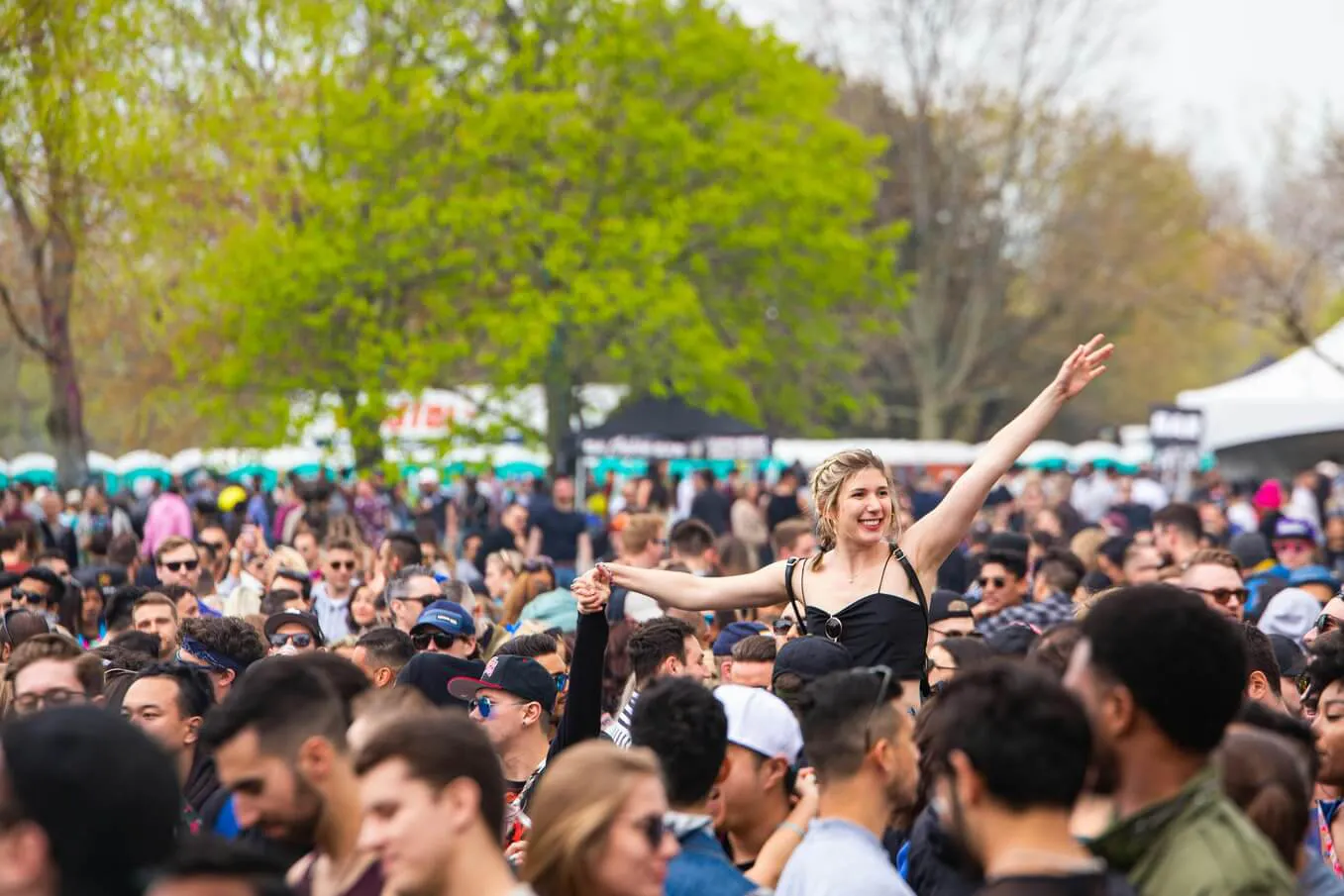
What keeps a festival of that size standing, he says, is a detailed eye on the numbers. Simon comes from a sales background and loves a spreadsheet, and James, who books the bands, used to be an auditor and accountant, so the team has never been short of people willing to scrutinise a budget. The festival lost some money in its early years, which focused their attention, and Simon passed on a line John had mentioned in our first episode about organisers eating and drinking risk, which he found brilliant because "it is a risky business" and without a close watch on the numbers "you're going to find yourself in trouble real quick."
In practice, James works out what the festival can afford to spend on artists, and the temptation, as Simon admits, is always to spend another £500k on bigger bands in the hope the tickets follow. If they don't, "you've shot yourself in the foot." He also sees a second risk in going big too early: you might sell plenty of tickets in a year with Deftones or Queens of the Stone Age on the poster, but then, as he put it, you have to work out what to do the year after, and it gets harder to repeat. His advice for anyone starting out, which echoes John's "budget up" message, is to start light, keep the budget small and realistic and add things in slowly as you know you can afford them.
That approach is also what made one of the best things about the festival, in Simon's view, possible. A few years ago the team built a permanent stage in the forest, replacing what used to be a small DIY wooden structure, and Simon says they wouldn't have made that investment without the cash flow, or if they'd thought they'd only be around for another year or two.
Of course, a budget only balances if the tickets sell, and Simon says that's where 2000 Trees has got a lot better over the years.
Let a strong launch take the pressure off
Earn the trust that sells tickets before the line-up is out
The strongest launches are built on trust. By Simon's reckoning, 2000 Trees now sells about 70 or 80% of the year's tickets at launch, before a single band is announced, and he puts that down to people trusting the festival to book a line-up they'll want to see. When we asked whether that kind of trust can be earned early on, he said you certainly won't get it in year one. It matches what John Rostron told us about the sector, that independents sell more tickets on early bird than anywhere else, and that when you ask buyers why they bought, they don't mention the line-up.
Make the launch as strong as you can
A strong launch gives you a head start on the rest of the on-sale, and 2000 Trees' latest announcement shows what that can look like. The festival sold around 20% of last year's total in less than four days, which Simon called the best announcement they've done in 20 years, and he's confident of a total sell-out for July, either by Christmas or soon after the rest of the line-up goes out. "If you can get those early bird sales in, it just takes the pressure off."

Consider taking tickets off sale once the launch is done
This one might seem counterintuitive, and Simon is the first to admit it "might seem a bit maverick." In the last couple of years the team has launched and then taken tickets off sale, because it focuses people's attention and gets them to buy in during the launch window. He's upfront that sales flatten while tickets are off, but says the payoff comes when they go back on.
Give the people who miss out a waitlist
The waitlist is what keeps those people engaged while tickets are off sale. Anyone who missed the super early bird tickets can join the waitlist on Ticket Tailor and be first in line for the next release, and when tickets go back on, "the whole waitlist is super excited" and snaps them up, which gives each line-up announcement its own bump.
Segment your audience and start with the lowest hanging fruit
Every release is a chance to learn who was close to buying, so it may be worth preparing your audiences before the next one goes on sale. The people most likely to convert are the ones who have already tried, such as anyone who added tickets to their basket in your first sale but didn't check out. They were close, and a smartly timed ad when the next release opens may be enough to get them over the line.
On Ticket Tailor, Meta pixel tracking records the people who added tickets but didn't check out, and the people who started checkout but didn't finish, so you can build those audiences and put your ad budget behind them first. You'll need a custom domain on your box office to set it up. For email, our Mailchimp integration sends each ticket buyer's name, email address and event choice to your Mailchimp list when they buy, so you can message previous buyers with their permission, and the waitlist emails described above cover everyone who joined your list.
A launch only works as well as the platform it runs on, and that's the other thing Simon is particular about.
Keep an eye on what your ticketing costs
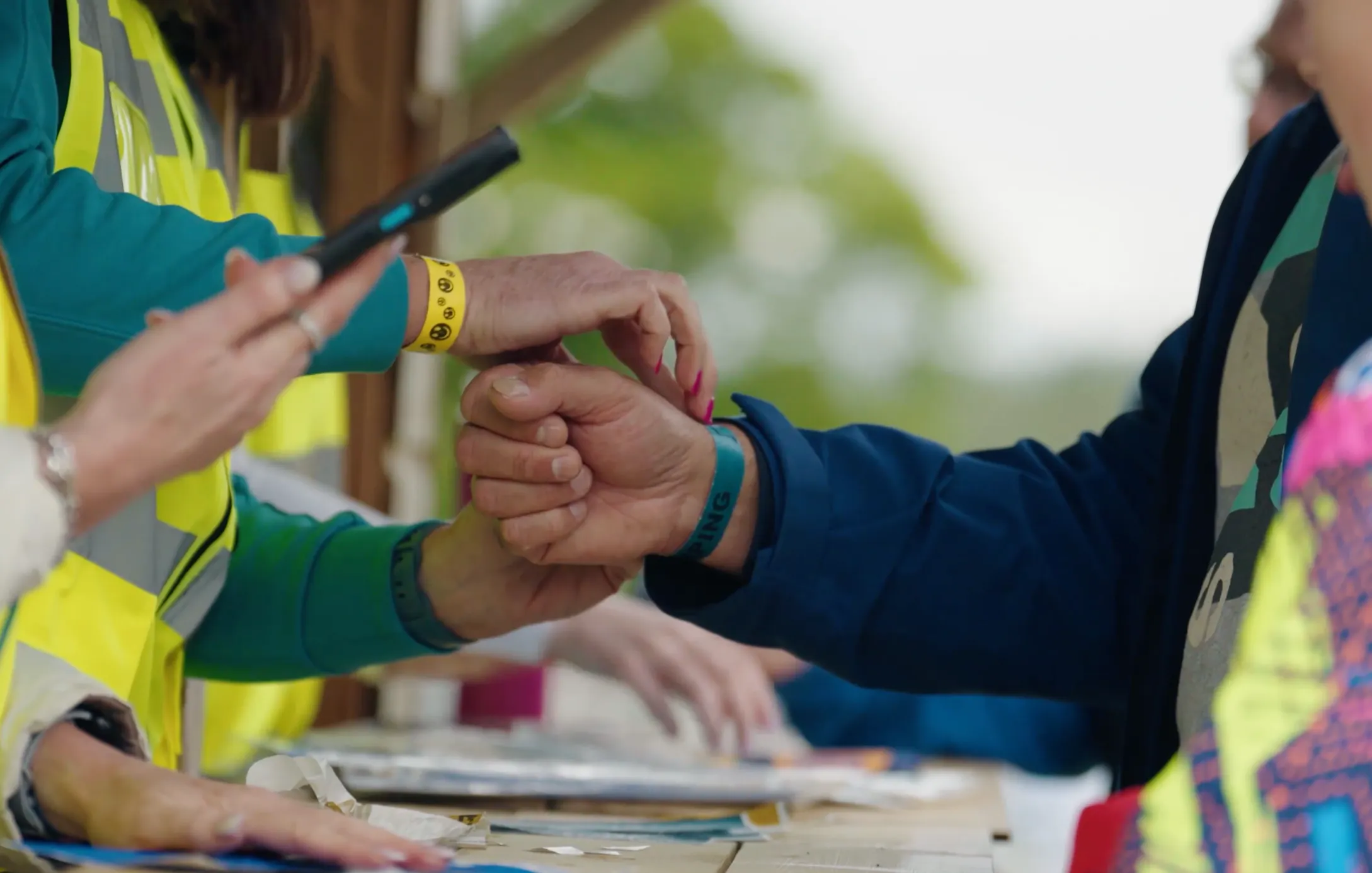
As sales and marketing director for both festivals, Simon spends most of his time on selling tickets, and he told us he's still quite hands-on when it comes to the ticketing platform itself. 2000 Trees has been through a number of them, and in his experience they all offer very similar things, so what he looks for is self-service: being able to get into the back end, work out what's possible and make quick decisions without waiting on anyone. Platforms where the company manages things for you tend to come with higher costs, he said, and if you can't see your own reports and have to email someone for an answer, "that's just a headache, and it slows everything down."
Don't assume a percentage fee is the only option
On other platforms, Simon told us, the fee was simply the fee and you swallowed it, a little higher or lower depending on what the platform offered. When he looked at us, the saving was significant enough that, in his words, it was "a no-brainer" as long as we could do everything the festival needed, and he thinks we're proving that ticketing "doesn't need to be as expensive as all that." A flat fee per ticket, which is how we charge, doesn't rise when your ticket prices do, whereas a percentage fee grows with every price increase.
Start tracking your ticketing fee as a line item in the budget
Once Simon could see how much room there was, he started scrutinising that line more closely, which is worth copying. It may be worth giving your ticketing fee the same annual review you'd give the band budget, and recalculating it whenever your ticket prices change, because percentage-based costs rise automatically with them. At 2000 Trees the difference has gone on the unglamorous things. Simon couldn't pick out one big example, but pointed to the extra trackway they've had to buy, which the saving has helped to cover.
Don't be sucked in by claims you'll reach more people and sell more tickets
Are you also getting emails all the time offering to send a line-up to a million or 10 million people who will supposedly want to buy tickets? You're not the only one, but in the experience of 2000 Trees (and many other events we speak to) they say it has never been proven to them that audience exposure gained through a ticketing platform makes a difference for festivals. In our own data we've found it hard to show that joining a platform for its audience leads to more ticket sales, and Simon has a theory for why. A fan might happily pay £30 or £40 to see Mastodon play a gig in Brixton, but a festival is more than one band, and someone who has never heard of the festival isn't likely to buy a ticket because a favourite act is on the poster. "It's never happened for us." He was glad we don't make those kinds of claims.
Build the audience yourself
What works instead, Simon says, is slower and harder: building the community and the atmosphere yourself and letting word of mouth do its work. Bandsintown is good for exposure and 2000 Trees uses it, but he's under no illusion that a line-up poster there will sell a million tickets.
If you'd like to try the launch and waitlist approach from earlier, this is how it works on our side.
Set up a launch and waitlist of your own on Ticket Tailor
We haven't mapped out exactly how 2000 Trees has configured theirs, but this is how a waitlist works on Ticket Tailor, and it's a handy route if you'd like to try a similar launch of your own. Our help centre has the full guide to setting up a waitlist for your event, and the steps below follow it.
- Turn on the waitlist. Head to ‘Events’, select your event and click ‘Edit event and ticket types’, then open the ‘Advanced settings’ at the bottom and tick ‘Activate waitlist’.
- Set up the form. You can use the default text or customise it, then click ‘Save’. Ticket buyers will now see an option to join the waitlist by entering their email address.
- Pause sales if you'd like to. In the ‘Advanced settings’ for each ticket type you can set the status to ‘Hidden’, or use ‘Hide until a set date and time’. Our guide to setting up a waitlist before your event goes on sale covers this in more detail. The ‘Show only when no tickets are available’ option won't show the waitlist while any tickets remain, hidden ones included, so it may be worth leaving that box unticked if you're hiding tickets.
- Notify people when tickets are back. Open your event and click ‘Waitlist sign-ups’ in the left-hand menu, then ‘Create broadcast’ to send everyone on the list an email through our Email broadcast tool, with a link to your ticket-buying page. Sign-ups you've notified move across to the ‘Notified signups’ tab, so you can see who has and hasn't heard from you.
If you're weighing up your own ticketing at the same time, our festival ticketing page covers what's available, and our pricing page shows how our flat fee per ticket works.
Simon finished our conversation by saying he hopes "every independent festival out there is having a great time, and may they all go strength to strength." We'll be back with more conversations like this one, and if you missed the start of the series, you can catch up with episode one with John Rostron of the AIF, or read the research behind it in the state of independent UK festivals in 2026, what's happening to UK festival ticket prices and the real cost of ticketing a festival.