Independent festivals: three things to make sure you thrive in the current climate
The head of the Association of Independent Festivals, John Rostron, talks to more festival organisers than almost anyone in the UK. We asked him what the ones who are thriving have in common.
The head of the Association of Independent Festivals, John Rostron, talks to more festival organisers than almost anyone in the UK. We asked him what the ones who are thriving have in common.
There’s no shortage of advice for festival organisers, but there’s much less agreement on which bits of it matter.
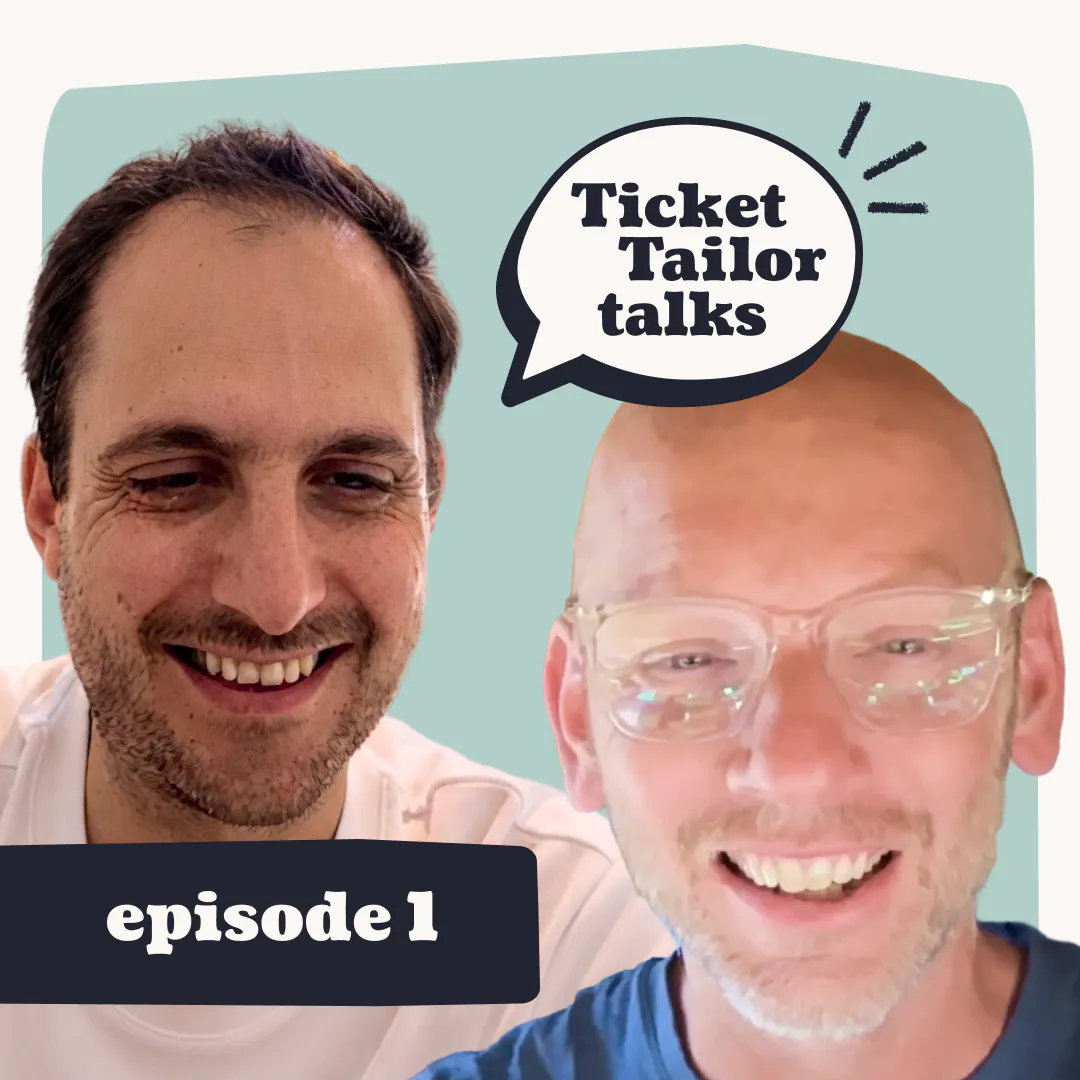
So we went to the person best placed to answer that. John Rostron is chief executive of the Association of Independent Festivals (AIF), which he told us now has around 170 UK music festivals in membership, from thousand-capacity greenfield events up to festivals of 80,000. Between them, he said, AIF members will sell tickets to or reach 1.4 million people this year. He speaks to organisers across that whole range, every week, in good years and bad ones.
We interviewed him for our series on the independent festival sector. When we asked what separates the festivals that are succeeding from the ones that are struggling, his answer came in three parts. We think it’ll help festival organisers, but the advice holds up for anyone organising events for the first time too.
Before we get into them, it’s worth saying why we asked. The industry has faced a lot of challenges since the pandemic, so any festival that’s survived, let alone thrived, has done well to buck the trend of cancellations and closures.
The recent challenges facing festival organisers
The past few years have been the hardest the UK festival sector has faced. According to AIF’s Festival Forecast 2025, the UK is now home to 592 music festivals, down from a 2018 and 2019 peak that AIF estimates at between 800 and 900. By AIF’s own count, at least 96 festivals fell between 2019 and 2022, 36 in 2023, 78 in 2024, and 40 had fallen by mid-2025. In our chat, John said the number in 2026 stands at just over 30 so far.
The cost side explains most of it. AIF’s 2023 Festival Forecast described supply chain costs as having become "untenable, with increases over 30% since 2019, and in some areas as high as 80%", naming energy, production, staging and security as the categories driving it.
It’s not all doom and gloom though. The picture has changed, and there’s genuine good news in 2026. "This year is the first year where things really feel like they’ve steadied," John told us. More than 30 festivals have still been lost this year, but for the first time since 2019 more new events have started than closed. Sales are stronger and coming earlier.
So this is a moment where the sector is stabilising, but the cost base is still 30% or more above where it was. Which makes the question of what actually works more useful than usual.
1. Build around your community, not your lineup
Rostron’s first point is the one that will feel most surprising to anyone who has ever stared at a booking budget.
"Focusing a lot less on your headliners or artists or thinking that lineups will draw people in. They do, but where you can be much more sure is in your community."
His observation is that most independent festivals begin organically, as a response to the fact that nothing in a particular genre was happening in a particular place. The mistake he sees is organisers treating that origin as a phase to grow out of, rather than the actual asset.
"So many of these festivals are set up as a community event. Somebody’s party that kind of gets out of hand, and let’s do it again. Or we’re in a place and we don’t feel anything happens here in this genre, so we want to do it. And if you start like that, just keep doubling down on that, keep going with that, and then build your festival around that. Where people have been doing that, that has had huge success."
We found evidence for this in how tickets actually sell. Early bird buying behaviour at independent festivals is really different from the majors, and it says something about this audience:
"They (independent festivals) sell more tickets on early birds than anywhere else. And early bird is just like a date in a field somewhere next year. And then when you ask people why they want to go, they go, you just got to go. They’re not talking about the lineup."
This is worth thinking about commercially if you organise an indie festival. At a large corporate festival, buyers wait for the announcement, then decide whether to buy. At a well-established independent, a good chunk of the audience commits before there’s even anything to announce. They’re buying the festival, not the lineup.
Arguably, that’s a much better position to sell from. It brings cash forward into the part of the year when you need it most, it makes your booking decisions safer because you’re not betting the whole event on one name, and it means a headliner cancellation is a disappointment rather than a crisis.
2. Spend your energy on what you actually control
"In the world, what can you control? The only thing you can actually control is yourself. And who can you influence? The people around you. Whereas all these other things you might buy, like talent, it’s out there, it’s hard to get, it’s competitive, and you don’t have any control. You might book someone, the fees might continue to change, they might cancel, they might not post on their social media. Suddenly it’s all out of your control."
Set against that, he says, "hey, I’m running a party and we’re doing it for these people" is a much more solid foundation, because it’s entirely within your control.
The practical version of this is that the whole experience you’re designing for your festival is the product, and almost all of it is within your control.
"Thinking about once the people arrive, what’s their experience. Are they having a good time? And good time can range from the way that they buy a ticket, the way that they’re communicated with, the way they arrive on site, where the toilets are, what the bar’s like. The music’s just a part of it. You want to make the music good too, but actually you suddenly realise that the name that you’ve put on the bill might be really insignificant if everything else is not pleasurable."
He gave one example we keep thinking about. A festival he knows sits a couple of miles off a motorway junction. Instead of directing people the short way, they deliberately route arrivals four or five miles further, through the hills.
"That little tweak, if you’re coming from a city and then suddenly you’re off and you’re in the hills and there’s all the things, that journey. And they do it deliberately to set you up. You’re like, whoa, I’ve arrived."
It costs nothing. It’s a decision about a map. And it changes how the entire weekend begins.
His broader point is that some of the best moments at any festival happen nowhere near a stage. "Some of the best time at festivals are in your tent, on the way back, in the bar. They’re not necessarily in and around that headline." Which means the things you can control are also the things that decide whether people come back.
"If they’re having a good time, they will love it. If you love it, they will love it. And that’s all that matters. They walk away and can buy a ticket for next year. They will, then and there."
3. Budget up, not down
But what about some hard, practical tips? If you’re reading this it may be that you’re facing, or coming off the back of, a particularly challenging year, or you’re thinking about setting up a festival for the first time. We’ve got plenty of guides on the specifics of event marketing, from email marketing to TikTok, social media strategy, Facebook ads and ticket pricing. But John’s final piece of advice, much like his first two, is bigger picture. He started with this:
"The best advice that I’ve heard and I would give, and particularly starting up, is budget up. Don’t start with the dream, start with something small that you can deliver and then hopefully as you sell well, you can then start to add and add."
This runs against the creative instincts most festival organisers lead with. The natural approach is to design the festival you want, then work out how to fund it. The point here is that the reverse order is far more survivable, because you can add to a small event that sold well, but you can’t subtract your way out of a big event that didn’t.
He’s honest that this is the part organisers find hardest, and that it usually isn’t why they got into it.
"That’s a challenge for a lot of festival operators because they set them up because they’re creative and they want to have a party. And then the last thing they want to do is look at the spreadsheet. But hopefully you find someone who’s good at the spreadsheet and they take that bit on."
That last piece of advice is worth taking literally. Being in the detail doesn’t mean you personally have to be the person in the detail. It means someone has to be, and that they need to actually enjoy it.
Budgeting up doesn’t mean selling your tickets for the lowest price on the market. It’s more about organic growth, and adding to your experience at a pace you can afford:
"It doesn’t mean you always have to go for best price. So being on detail doesn’t mean cheapest is best, but it’s about understanding where all those different expenditures are, why you’re spending them and what they mean."
The point isn’t to strip cost out of everything. It’s to know what every line is for. Some of your most expensive decisions will be the right ones, and some of your cheapest will quietly cost you an audience.
There’s also a longer-term version of this. Rostron notes that whether you’re running a festival once or building something over a decade should change what you buy now.
"If you’ve got a long term vision for a festival, you can buy and build certain things now that are going to cost you more, but then store them and reuse them. And then over time, that’s going to serve you so much better. But you need to be thinking about that right from the off."
What the three have in common
Read together, these aren’t three separate pieces of advice, but the same idea approached from three directions.
Community, experience and disciplined budgeting are all things a festival organiser can decide. Headliners, artist fees, competitor announcements and the weather are not. The festivals Rostron sees thriving have quietly moved their attention from the second list to the first.
You can see the same instinct in how some festivals have handled the cost pressure of the past few years. Maid of Stone, a 5,000-capacity AIF member at Mote Park in Maidstone, has held its weekend ticket at £150 for 2026, the same price it charged in 2024. Festival booker Chris Wright told Planet Rock the team are "doing everything we can to ensure the increase in our costs are not passed on to our loyal supporters." Knockengorroch in Galloway ran a public fundraiser rather than raise its gate price, raising £18,914 from its own audience.
Both are decisions about the relationship rather than the lineup. Both cost the festival money in the short term. Both are bets that the community is the thing worth protecting.
Where to get help with the rest
John doesn’t just head up the AIF - he’s been there and done it as a festival organiser himself. His last point is worth sitting with:
"There is no manual. You can do it yourself, but actually there’s loads of other people who’ve been there, done that, or aren’t doing it and they can do it with you."
That’s why the AIF exists. It’s currently 170 members strong, each sharing learnings and advice within the community. John mentioned a lower rate of cancellations and closures among AIF members compared with the wider industry, which probably speaks to the value of that network and shared learning. Worth a look if you’re reading this in the shoes of a festival organiser.
AIF have two newer programmes aimed squarely at the problems in this article. The Step Change Fund puts staff and budget behind helping members with sustainability work, including a free measurement tool and a focus on food, which Rostron singles out because "you can help the planet and help your bottom line." The Festival MOT is a wraparound service for festivals that are struggling, where industry experts "come in and look under the bonnet" and give independent advice.
You can read more on the state of the sector in the first article in our series, and we can help if you want to explore festival ticketing with Ticket Tailor too.